

A Complete Guide for Homeowners on Residential Property Maintenance
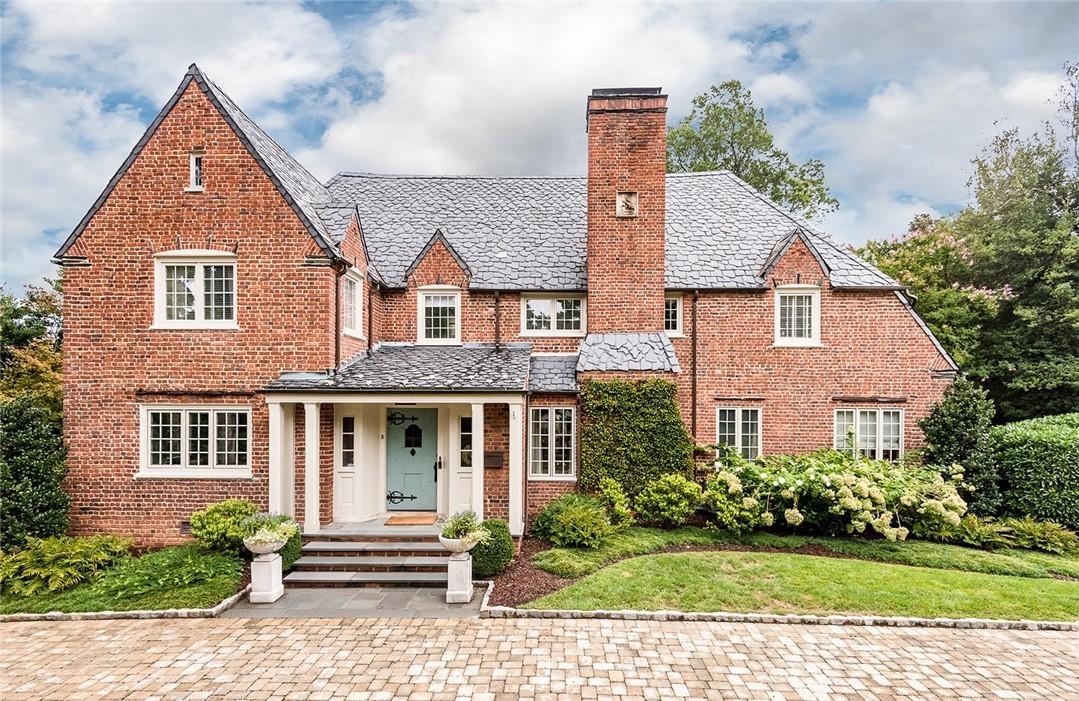
Do you ever feel like your outdoor space demands more attention than you can realistically give? Without a clear plan, even beautiful landscapes begin to slip. Missed pruning, uneven lawns, irrigation issues, and creeping weeds quietly add up. What should be a place to relax starts to feel like another responsibility pulling at your time and energy. A structured, proactive approach to residential property maintenance removes that stress by creating consistency and predictability.
This guide walks through what proper maintenance looks like, how to manage it year-round, and when professional support makes sense.
What Is Residential Property Maintenance?
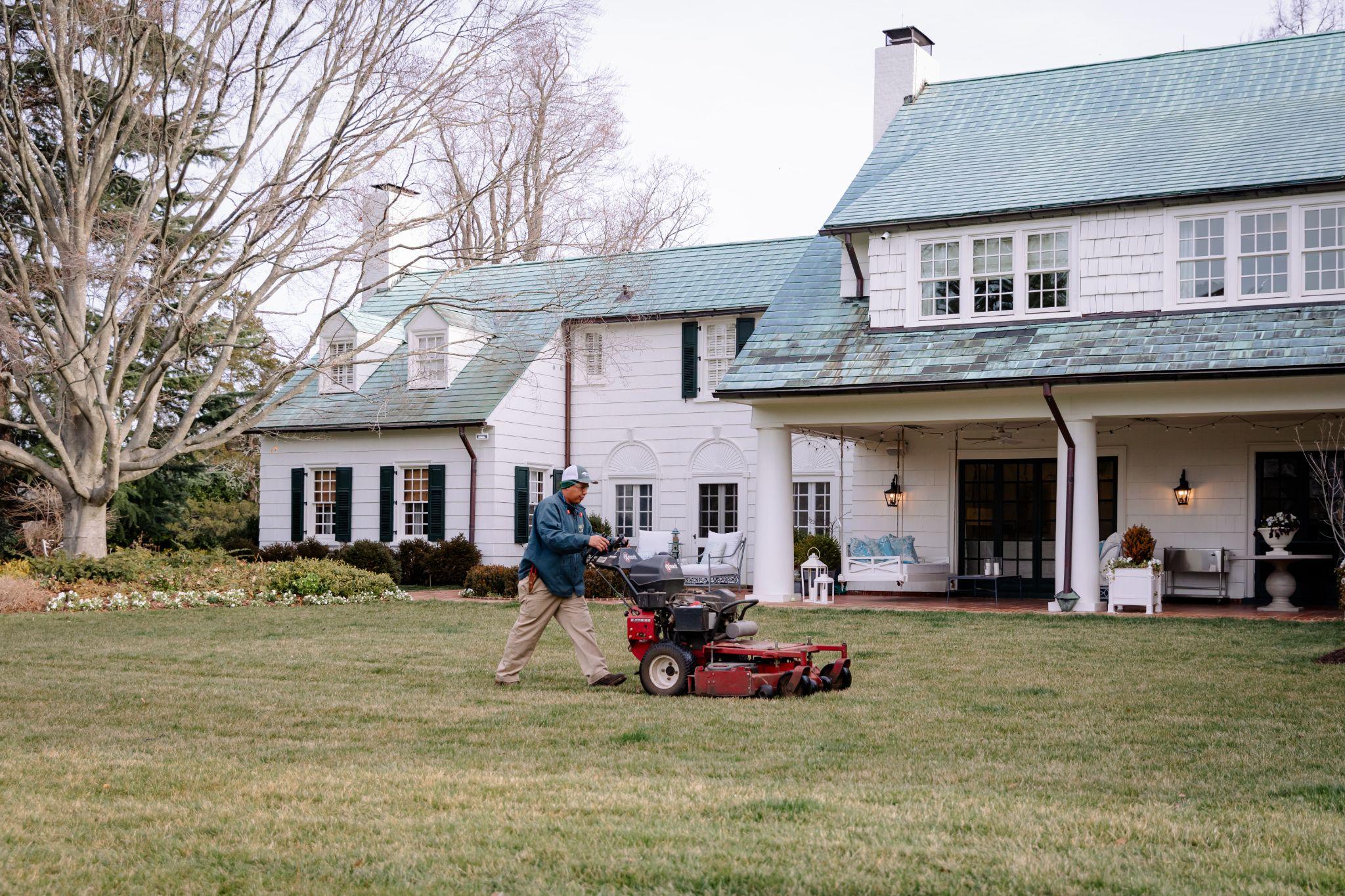
Residential property maintenance refers to the ongoing care of all outdoor elements of your home. It includes lawn care, gardening, shrub care, tree care, irrigation systems, and seasonal cleanup. Unlike one-time installation work, maintenance is continuous and proactive.
The purpose of residential maintenance is consistency. Your property should look cared for every week, not just after major work. This includes mowing and edging, pruning plants, refreshing mulch, checking irrigation, and monitoring for weeds or pests.
For larger homes and estate properties, residential landscaping maintenance becomes more complex. There are more plant varieties, larger turf areas, and greater expectations for appearance. Maintenance ensures everything works together, keeping the landscape functional and visually balanced.
Why Is Regular Property Maintenance Important For Your Home?
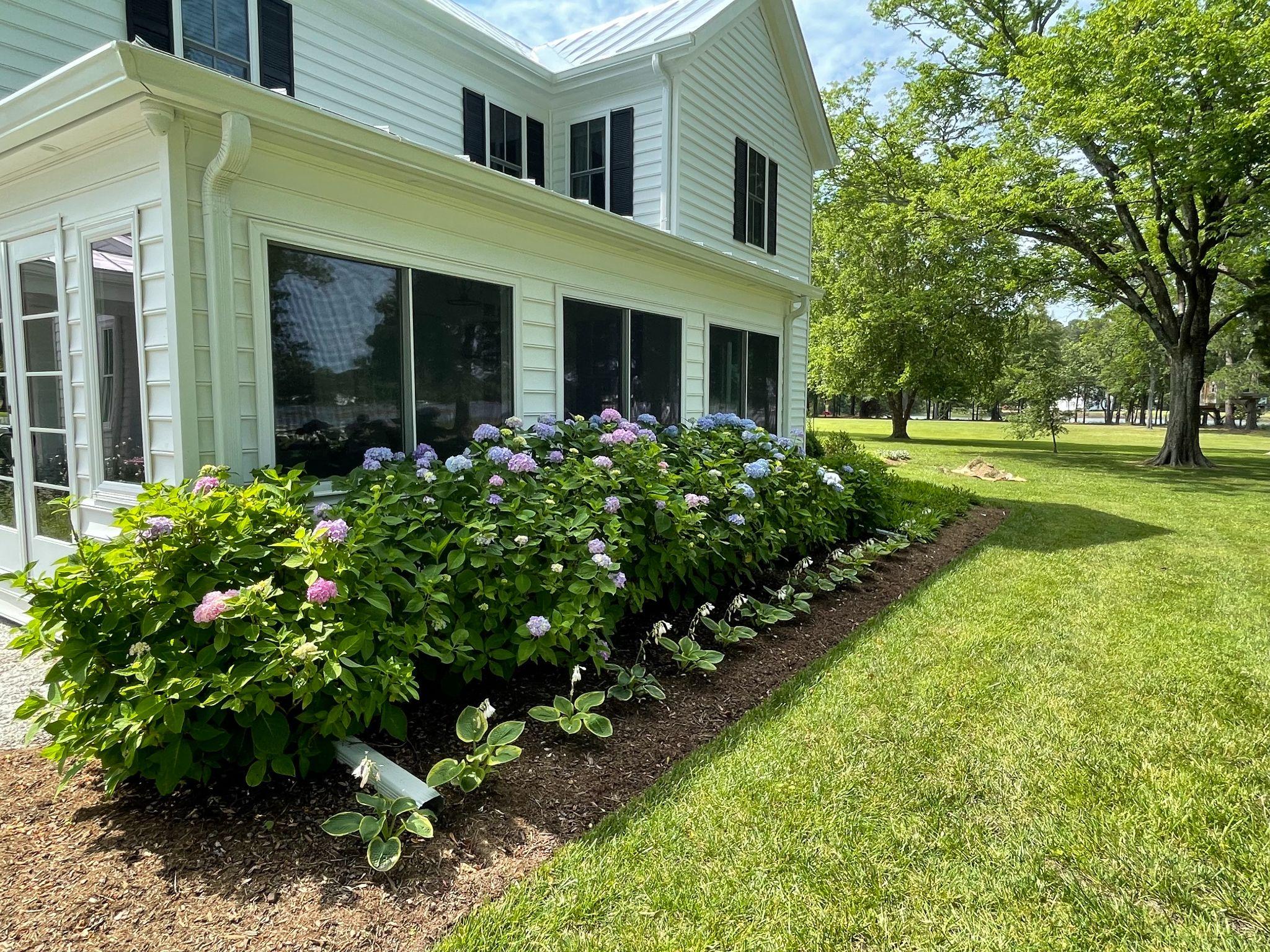
Routine residential property maintenance protects both appearance and long-term value.
Key benefits of property maintenance include:
- Improved curb appeal and overall presentation
- Reduced plant loss due to early issue detection
- Safer walkways, lawns, and outdoor areas
- More predictable upkeep instead of reactive work
Regular care also protects your time. Without a plan, homeowners often scramble to address visible problems before the onset of events or seasons. A proactive property maintenance schedule eliminates last-minute stress.
Just as important, ongoing care preserves the intention behind the original design. Landscapes stay structured, not overgrown. Plants mature properly. Lawns remain even and healthy. Maintenance keeps your outdoor space aligned with how you want to live in it.
What Are The Key Components Of Residential Landscaping Maintenance?
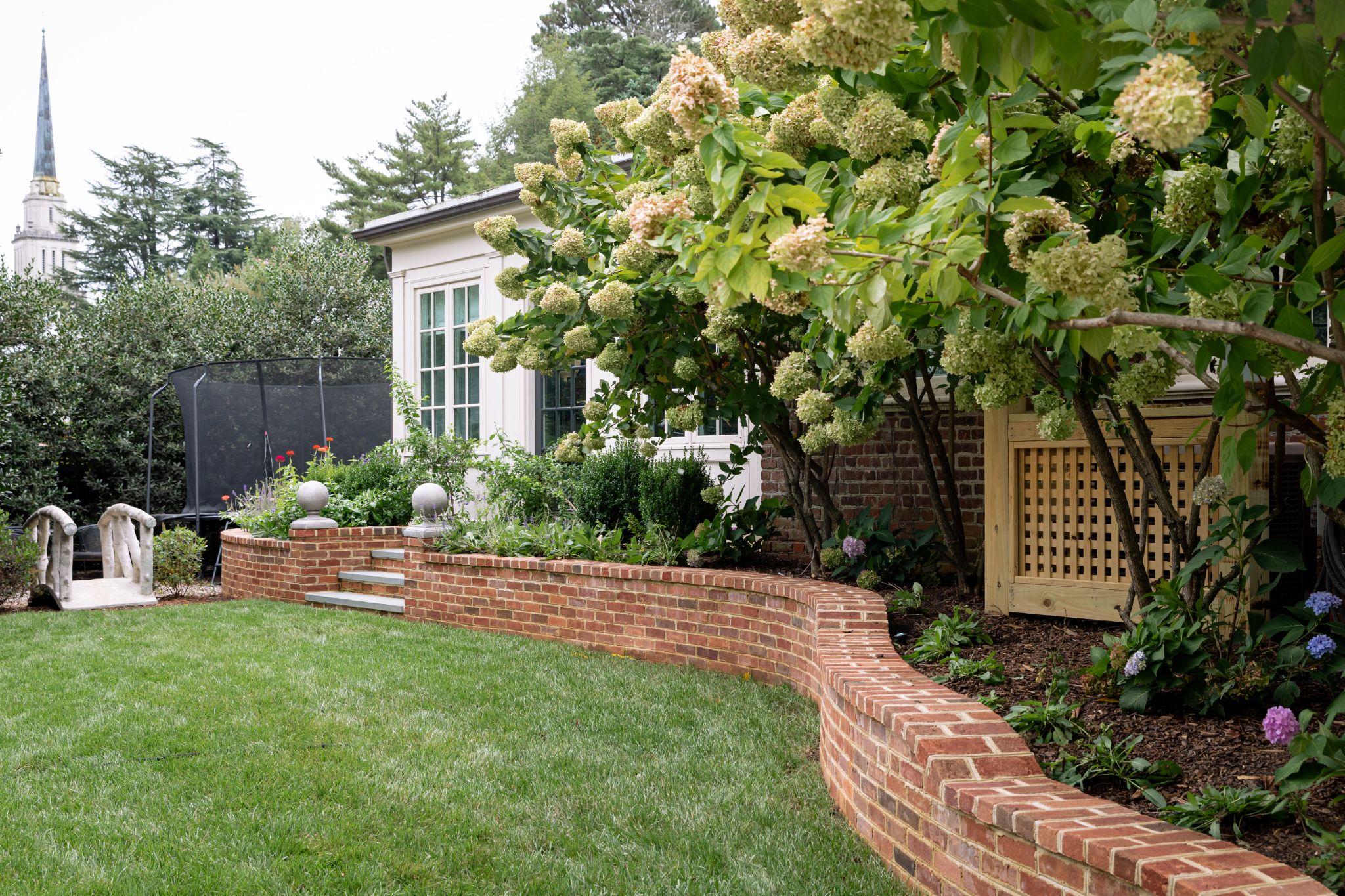
Effective residential property maintenance depends on managing several interconnected components that work together to support the health, appearance, and long-term reliability of your landscape. Residential landscaping maintenance is not about isolated tasks. When one area is overlooked, it often creates visible and functional issues elsewhere on the property.
Below are the core components that form a complete and dependable maintenance plan:
Lawn Care
Lawn care is the foundation of residential property maintenance and sets the visual tone for the entire property. Regular mowing, clean edging, proper fertilization, seasonal aeration, and consistent watering all work together to keep turf thick, even, and resilient. A well-maintained lawn helps prevent weed growth, reduces soil erosion, and creates a clean transition between garden beds, walkways, and outdoor living spaces. Without consistent lawn care, the rest of the landscape quickly feels unbalanced.
Shrub And Tree Care
Shrubs and trees provide structure, privacy, and definition throughout a property. As part of residential landscaping maintenance, scheduled pruning, health assessments, and careful shaping ensure plants grow properly and maintain their intended form. Regular attention prevents overgrowth, improves air circulation, and reduces the risk of broken limbs or plant decline. Thoughtful shrub and tree care keeps the landscape looking intentional rather than unmanaged.
Garden Maintenance
Garden beds require ongoing attention to remain healthy and visually organized. Effective garden maintenance of a residential property includes routine weeding, seasonal planting, mulch replenishment, and timely plant refreshes. These practices support plant vitality while maintaining clean lines and balanced color throughout the landscape. Without consistent garden maintenance, beds can quickly become overgrown, crowded, or uneven in appearance.
Soil Health
Healthy soil supports every plant on the property. Residential landscaping maintenance involves monitoring soil structure, managing nutrients, and improving organic content when needed. Proper soil care helps roots grow deeper, improves moisture retention, and allows plants to access the nutrients they need to thrive. Ignoring soil health often leads to weak growth, poor flowering, and increased susceptibility to stress.
Irrigation Oversight
Irrigation systems play a critical role in property maintenance, yet issues are often hidden below the surface. Regular system checks, seasonal adjustments, and timely repairs ensure water is delivered efficiently and evenly. Proper irrigation oversight prevents dry patches, overwatering, and plant stress while supporting consistent growth across lawns, gardens, and shrubs.
Weed Control
Weeds compete aggressively for water, nutrients, and space. As part of garden maintenance of a residential landscape, effective weed control focuses on prevention and targeted removal rather than reactive cleanup. This includes mulch coverage, lawn density management, and early intervention before weeds spread. Consistent weed control protects plant health and preserves the overall order of the landscape.
Pest Monitoring
Early identification of pests and disease is essential to protecting long-term landscape health. Landscape maintenance includes routine inspections of lawns, shrubs, trees, and garden beds to catch issues before they escalate. Monitoring allows for timely responses that limit damage, reduce plant loss, and maintain the stability of the landscape without unnecessary disruption.
proper Drainage
Whether it’s a french drain with a dry well, something more heavy-duty like a sump pump, or a comination of different solutions, planning drainage for your outdoor space helps ensure it stays a safe haven instead of a swampy problem. Standing water after heavy rain can cause problems for your garden and surrounding property without the right drainage.
Outdoor Lighting
You may not think about lighting when you think about maintenance, but it’s more than just a great way to show off the work you’ve put into your landscape when the sun goes down. The right lighting for your landscape means it’s safer to navigate when it gets dark.
What Does A Year-Round Landscaping Maintenance Checklist Include?

A reliable residential property maintenance plan is easiest to manage when it follows a clear, seasonal structure. A year-round landscaping maintenance checklist helps you anticipate what your property needs before issues arise, rather than reacting after problems become visible.
Here’s the complete year-round landscaping maintenance checklist that you should follow:
Spring
- Property cleanup and debris removal to clear winter buildup and prepare lawns and garden beds for new growth.
- Pruning dormant plants to remove dead or damaged growth and encourage healthy spring development.
- Mulch refresh to improve moisture retention, regulate soil temperature, and create clean, defined garden beds.
- Irrigation system startup to inspect sprinkler coverage, repair damage, and ensure efficient watering before peak demand.
Summer
- Regular mowing and edging to maintain lawn health and preserve crisp lines throughout the property.
- Adjusted watering schedules to support plant needs during heat while avoiding overwatering or runoff.
- Audit irrigation systems to keep up with the summer heat and make sure everything runs smoothly.
- Weed monitoring to identify and remove invasive growth before it spreads across lawns and garden areas.
- Garden deadheading to promote continued flowering and keep planting beds looking tidy and well cared for.
- Hedge and shrub trimming to control growth, maintain shape, and support proper air circulation.
Fall
- Leaf removal to prevent lawn damage, reduce pest habitat, and maintain a clean property appearance.
- Overseeding and lawn aeration to repair thin areas and strengthen turf before winter dormancy.
- Perennial cutbacks to remove spent growth and prepare plants for healthy regrowth in spring.
- Bulb planting and putting down early-blooming plants to establish flowers and greenery that add early-season color and interest.
- Irrigation winterization to drain and protect systems from freezing temperatures and costly damage.
Winter
- Structural pruning to improve plant form and reduce storm-related risk while trees and shrubs are dormant.
- Snow management where applicable to keep walkways, driveways, and access points safe and usable.
- Plant protection to shield sensitive shrubs and root systems from extreme cold and wind exposure.
- Maintenance planning to review property needs, schedule services, and prepare for the upcoming growing season.
Should You Choose DIY Or Professional Yard Maintenance?
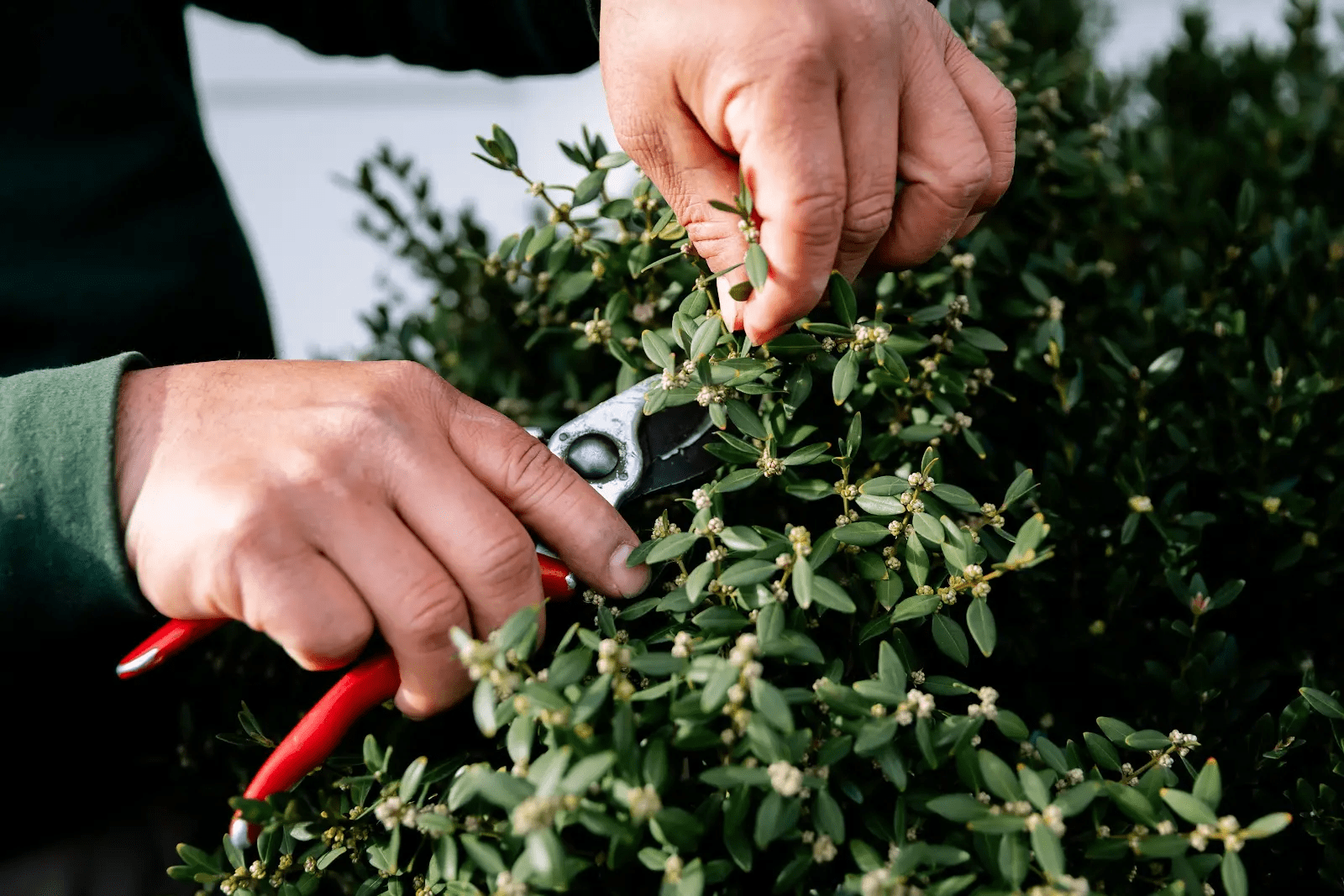
Deciding how to care for your landscape is a key part of long-term planning. Many homeowners begin with residential property maintenance handled on their own, especially when properties are smaller or schedules allow for hands-on involvement. Over time, however, as landscapes mature and responsibilities grow, consistency becomes harder to maintain. Understanding the differences between do-it-yourself care and professional service helps you choose the approach that best fits your property, lifestyle, and expectations.
Taking a DIY approach allows for personal involvement in your outdoor space. You control the schedule, the pace of work, and the methods used, which can be appealing if you enjoy yard work or want flexibility. DIY maintenance also gives you the opportunity to apply your own property maintenance tips as you learn what works best for your lawn and gardens. However, managing all aspects of upkeep requires ongoing time and attention. Tasks such as mowing, pruning, irrigation checks, and seasonal cleanups can quickly add up, making it easy to fall behind, especially on larger or more complex properties that demand specialized knowledge. There are consequences to letting the small things fall by the wayside for too long because it is more expensive to renovate than it is to maintain.
Professional yard maintenance offers a contrasting experience focused on consistency and oversight. With a professional approach, care follows a predictable schedule, and experienced teams manage each component of the landscape in coordination. This reduces the risk of missed tasks and uneven results. Professional maintenance also removes the burden of day-to-day decision-making, allowing homeowners to enjoy their outdoor spaces without managing every detail themselves. For estate properties or homes where reliability, appearance, and time savings matter most, professional service provides peace of mind and long-term stability.
What Are Lawn Care Essentials For A Healthy Outdoor Space?

The lawn often serves as the visual anchor of a property, influencing how the entire landscape is perceived. Consistent residential property maintenance ensures turf remains healthy, even, and resilient throughout the growing season. When lawn care is approached methodically, it supports not only appearance but also soil stability and long-term plant health. The following landscape maintenance tips outline the essential practices that keep lawns dependable and well-managed.
Key practices include:
- Weekly mowing at the proper height to encourage dense growth, reduce stress on the grass, and maintain a clean, uniform appearance. Cutting too short weakens turf, while consistent height supports deeper root development.
- Deep, scheduled watering that promotes strong root systems and improves drought tolerance. Watering less frequently but more thoroughly helps turf remain resilient during heat and reduces surface runoff.
- Seasonal fertilization to replenish nutrients used during active growth periods. Proper timing and application support color consistency, root strength, and overall turf performance without excessive growth.
- Aeration to relieve soil compaction and allow air, water, and nutrients to reach the root zone more effectively. Aeration is especially important for high-traffic lawns and contributes to long-term turf health.
- Multi-step weed control to address unwanted growth before it spreads across the lawn. Targeted intervention with products specific to your issues protects turf density and reduces competition for nutrients and moisture.
How Should Shrubs And Hedges Be Maintained For A Polished Look?
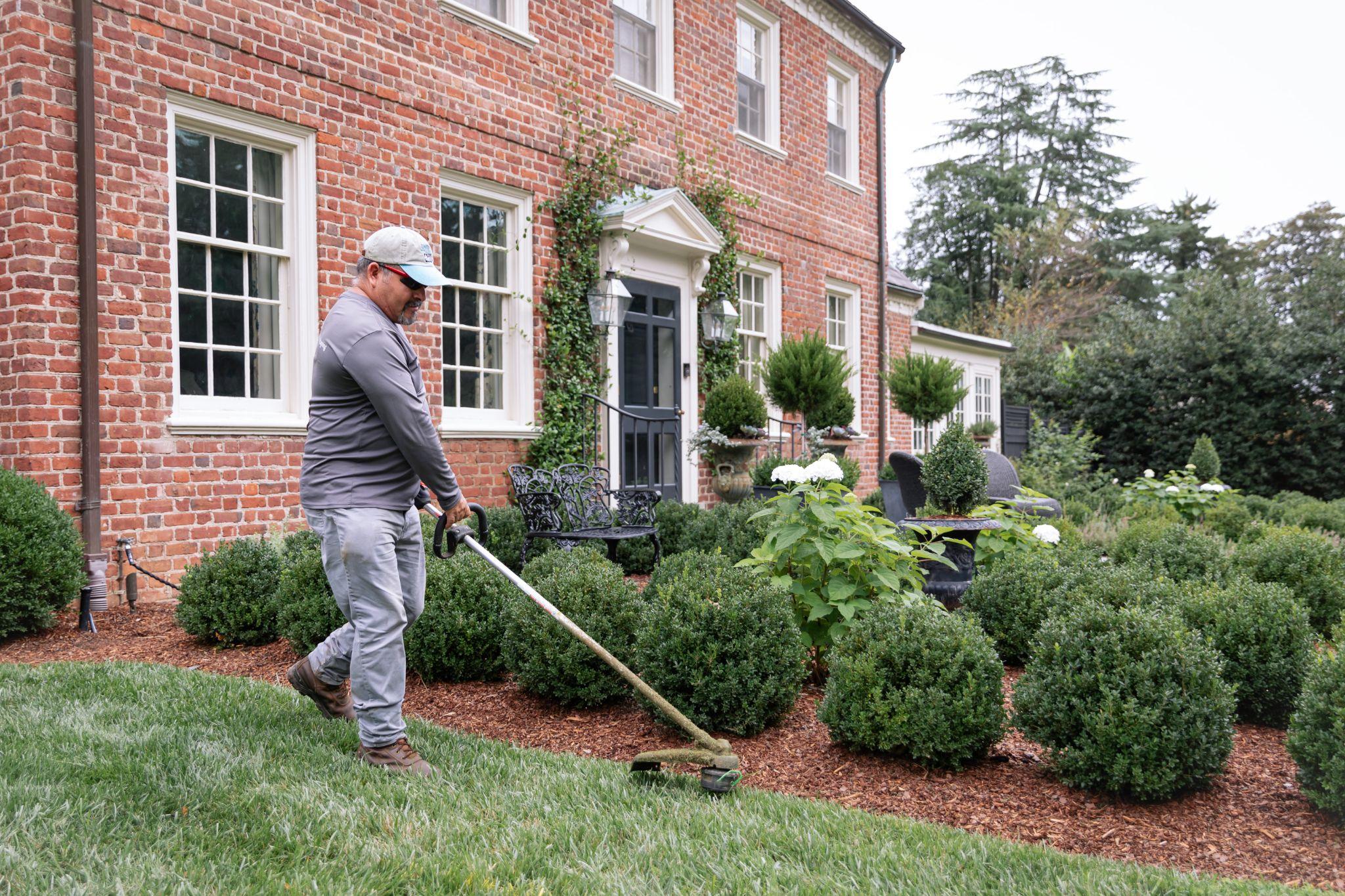
Shrubs and hedges play a critical role in defining the structure and flow of a landscape. When they are maintained properly, they create clean lines, guide sightlines, and bring balance to the overall design. Without consistent care, however, even well-planned plantings can quickly lose their shape and begin to dominate surrounding areas. Thoughtful residential property maintenance ensures shrubs and hedges remain intentional rather than overgrown.
Effective maintenance begins with timely pruning based on each plant’s growth habits and seasonal needs. Some shrubs require trimming after flowering, while others benefit from dormant-season pruning to encourage healthy regrowth. Removing dead, damaged, or crossing branches improves air circulation and reduces stress on the plant, which is essential for healthy garden maintenance. Consistent shaping also helps preserve the original design intent, preventing shrubs from encroaching on walkways, lawns, or garden beds.
Ongoing monitoring is equally important. Regular inspections for pests or disease allow issues to be addressed early, before they spread and affect neighboring plants. Proper hedge maintenance not only supports plant health but also reinforces a polished, cared-for appearance throughout the property. When shrubs and hedges are maintained with intention, they contribute to a landscape that feels organized, balanced, and dependable in every season.
How Do You Maintain Garden Beds For Healthy Plants?
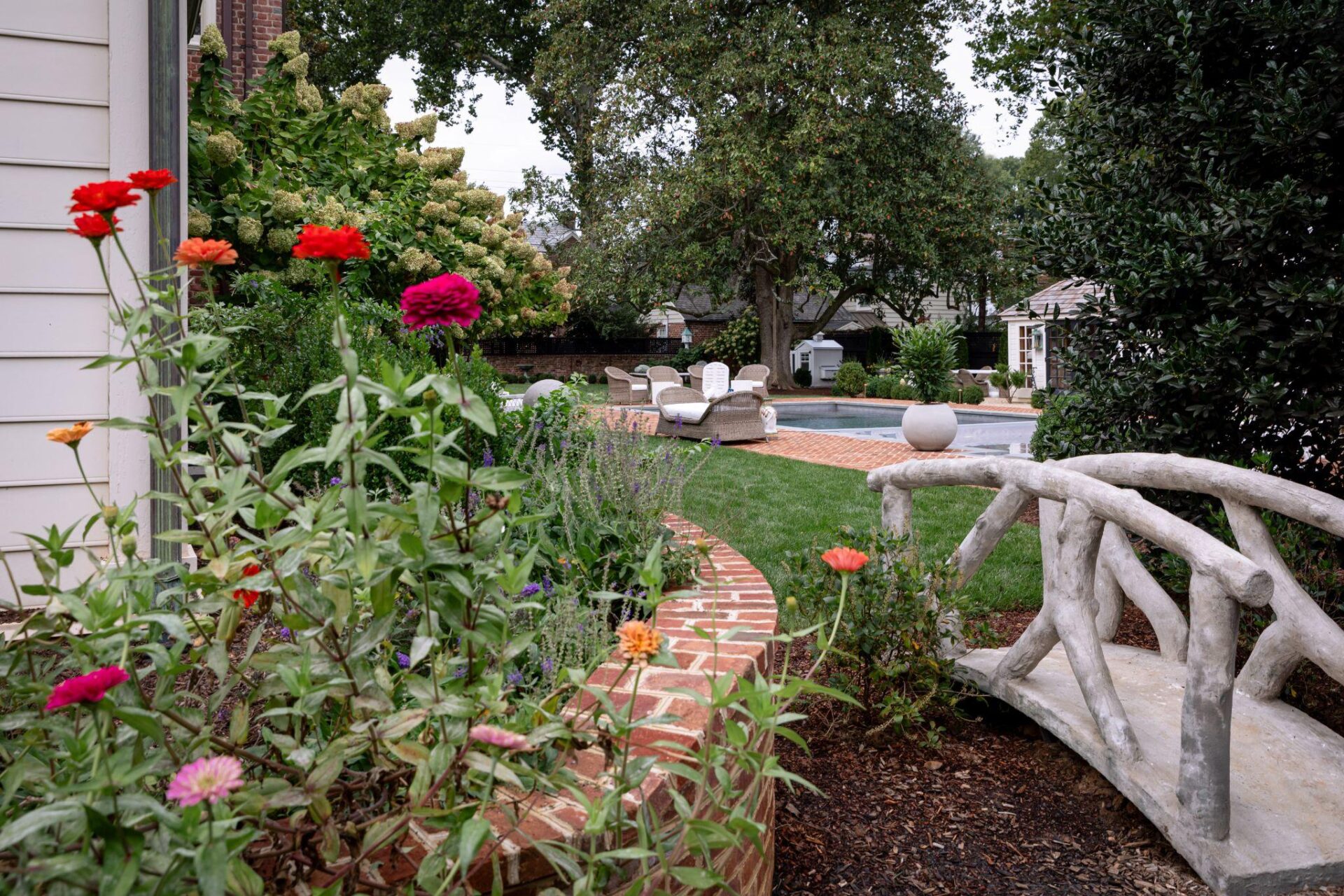
Garden beds require frequent attention to remain organized, visually balanced, and productive throughout the growing season. Without consistent care, even well-designed beds can quickly become crowded or uneven. Applying proven garden maintenance tips as part of your residential property maintenance plan helps ensure plants remain healthy and beds retain their intended structure.
Best garden maintenance tips include:
- Regular weeding to remove invasive growth before it competes with established plants for nutrients, moisture, and sunlight. Early and consistent removal helps maintain plant spacing and prevents weeds from spreading across the property.
- Seasonal clean up to get rid of anything that is dying or is done growing for season and is on its way out. Pruning unruly hedges can also be an important part of this process.
- Seasonal planting adjustments to replace spent annuals, rotate plant varieties, and refresh garden beds as growing conditions change throughout the year. Timely updates keep beds visually engaging and aligned with seasonal cycles.
- Mulch replenishment to conserve soil moisture, regulate temperature, and suppress weed growth while maintaining a clean, finished appearance in garden areas. Fresh mulch also improves soil quality as it breaks down over time.
- Soil conditioning to support root development and plant resilience through the addition of organic matter, compost, or soil amendments when needed. Healthy soil allows plants to absorb nutrients more efficiently and reduces stress during periods of heat or drought.
- Edge definition to maintain clear boundaries between garden beds, lawns, and hardscape features. Clean edges prevent turf encroachment and reinforce an orderly, intentional look across the landscape.
Why Are Irrigation System Checks Important?
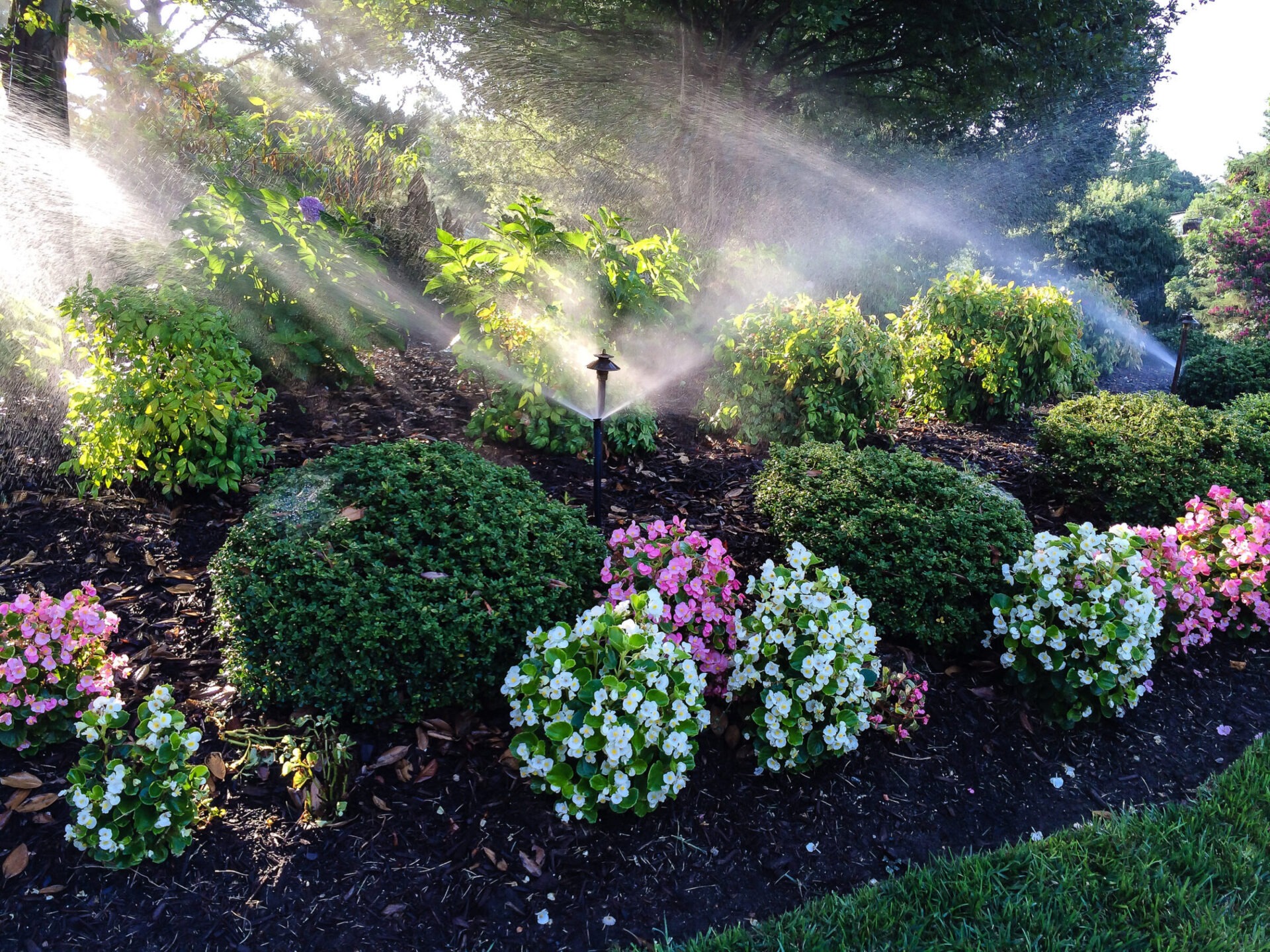
Water management plays a critical role in residential property maintenance, particularly across lawns, garden beds, shrubs, and trees that rely on consistent moisture to stay healthy. Irrigation problems often develop quietly below the surface, making them easy to miss until plants show signs of stress or damage. Regular system checks help ensure water is applied evenly and efficiently, supporting plant health while reducing waste. These inspections also align with practical home landscaping tips that focus on prevention rather than correction.
Sprinkler Coverage Inspection
Sprinkler heads should be reviewed regularly to confirm they are delivering water to the intended areas without overspray or missed zones. Poor coverage can lead to dry patches, uneven growth, or overwatering near hard surfaces. Adjusting spray patterns and clearing obstructions ensures each section of the landscape receives consistent hydration.
Leak Detection
Leaks in irrigation lines or fittings can waste water and cause soil erosion or plant decline. Routine checks help identify slow leaks, pooling water, or pressure changes that signal underlying issues. Early detection protects plant roots and supports efficient water use, which is a core principle of effective home landscaping tips.
Seasonal Timer Adjustments
Watering schedules should change with seasonal conditions. Adjusting irrigation timers to reflect temperature, rainfall, and plant needs prevents overwatering during cooler months and under-watering during heat. Seasonal calibration supports plant health while maintaining responsible water use.
System Winterization
In climates with freezing temperatures, proper winterization is essential to prevent cracked pipes and damaged components. Draining or blowing out irrigation lines before winter protects the system and avoids costly repairs when the growing season returns.
How Do Seasonal Cleanups Keep Your Property Organized?
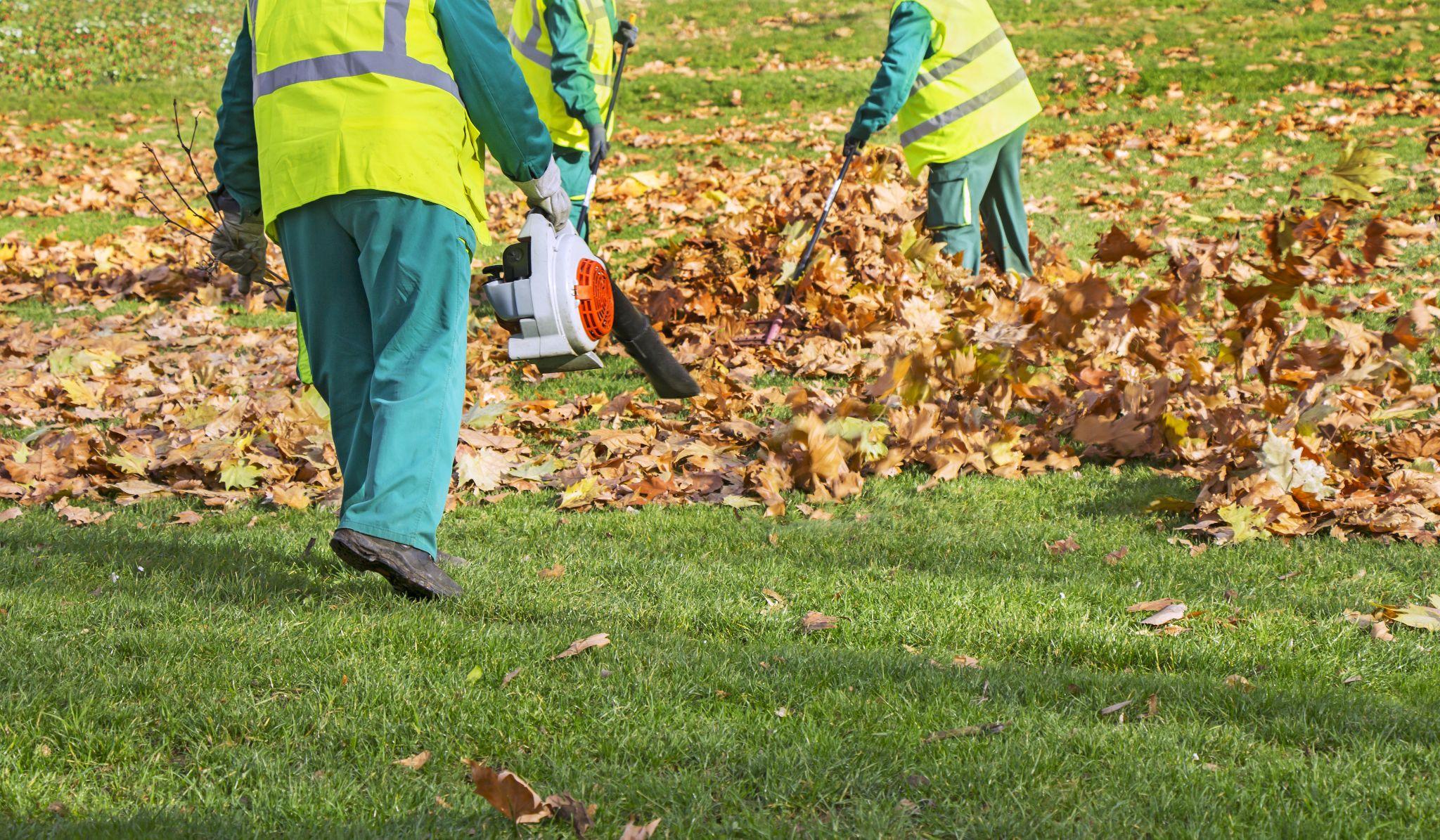
Seasonal cleanups play an essential role in keeping outdoor spaces orderly and functional throughout the year. As part of a thoughtful residential property maintenance approach, these cleanups act as reset points before and after peak growing periods. They remove the accumulation of debris that naturally builds up as plants grow, shed leaves, or go dormant. Without this regular reset, lawns can become smothered, garden beds can lose definition, and overall property appearance can begin to feel neglected.
Beyond appearance, seasonal cleanups support the health of the landscape itself. Clearing fallen leaves, dead plant material, and organic debris reduces opportunities for pests to nest and overwinter near lawns and planting areas. It also improves air circulation and light exposure for turf and garden beds, helping plants transition more smoothly between seasons. In this way, cleanups contribute directly to effective residential landscaping maintenance, supporting both plant health and long-term reliability.
Seasonal cleanups also prepare plants for upcoming weather changes. Spring cleanups encourage new growth by removing winter damage, while fall cleanups help plants conserve energy and protect root systems before colder temperatures arrive. When performed on a consistent schedule, these cleanups reinforce proactive residential property maintenance, especially for larger properties where small issues can quickly escalate if left unaddressed.
How Do Soil Health And Mulching Support Plant Growth?
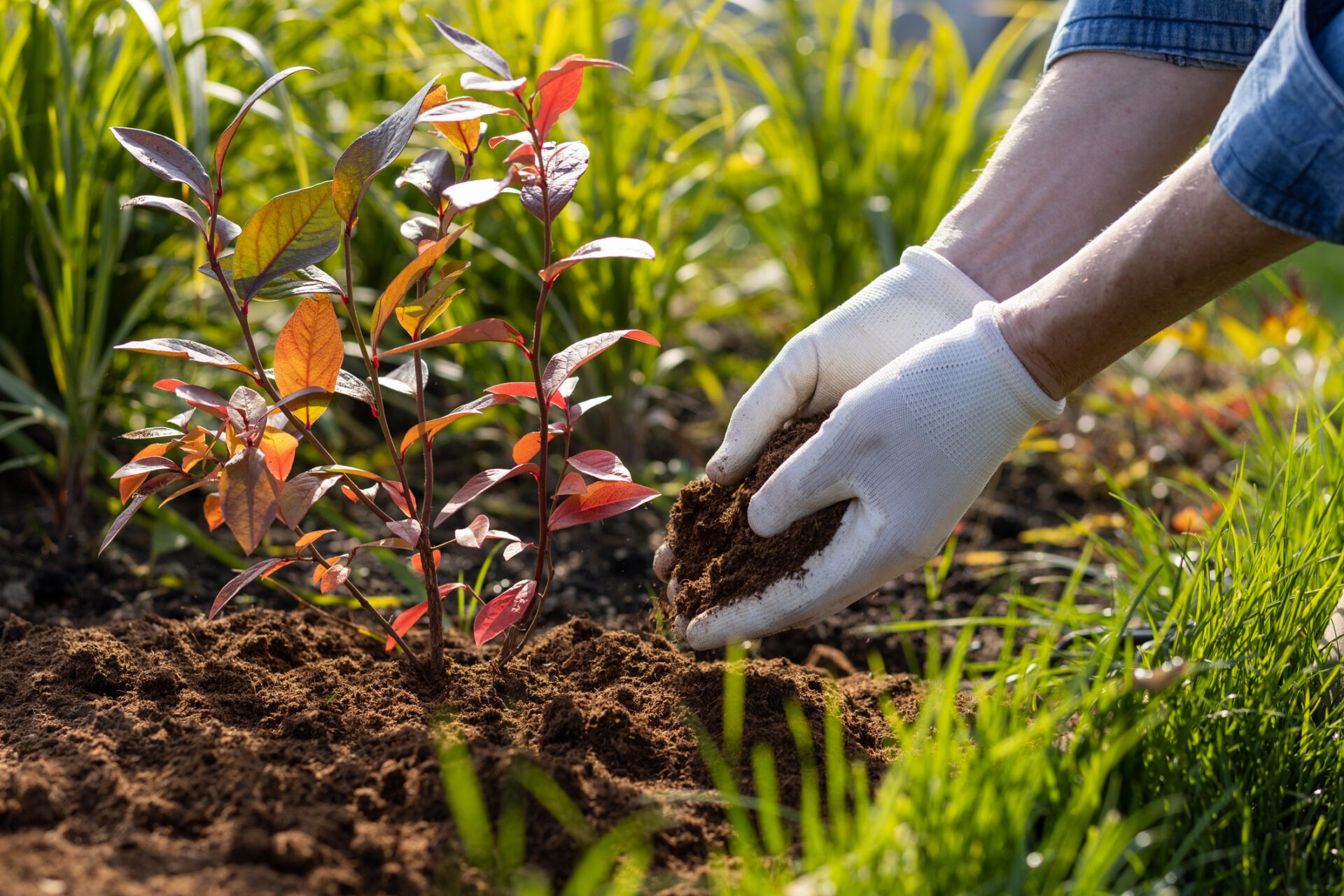
Healthy soil is the foundation of every landscape, supporting strong root systems, balanced growth, and long-term plant stability. As part of consistent residential property maintenance, soil care and mulching help plants withstand seasonal stress while maintaining a clean, organized appearance across garden beds and planting areas. These practices align with practical garden maintenance tips that focus on prevention, efficiency, and long-term results.
Residential property maintenance includes:
- Soil testing and amendment to identify nutrient deficiencies, pH imbalances, and soil composition issues that can limit plant performance. Targeted amendments improve growing conditions and support healthier, more resilient plants.
- Compost incorporation to enhance soil structure, increase organic matter, and improve moisture retention. Compost also encourages beneficial microbial activity that supports nutrient uptake and root development.
- Mulch application to stabilize soil temperature, reduce evaporation, and suppress weed growth. A consistent mulch layer protects root zones, improves water efficiency, and reinforces the clean, finished look of garden beds.
How Can Weed Prevention And Control Protect Your Landscape?
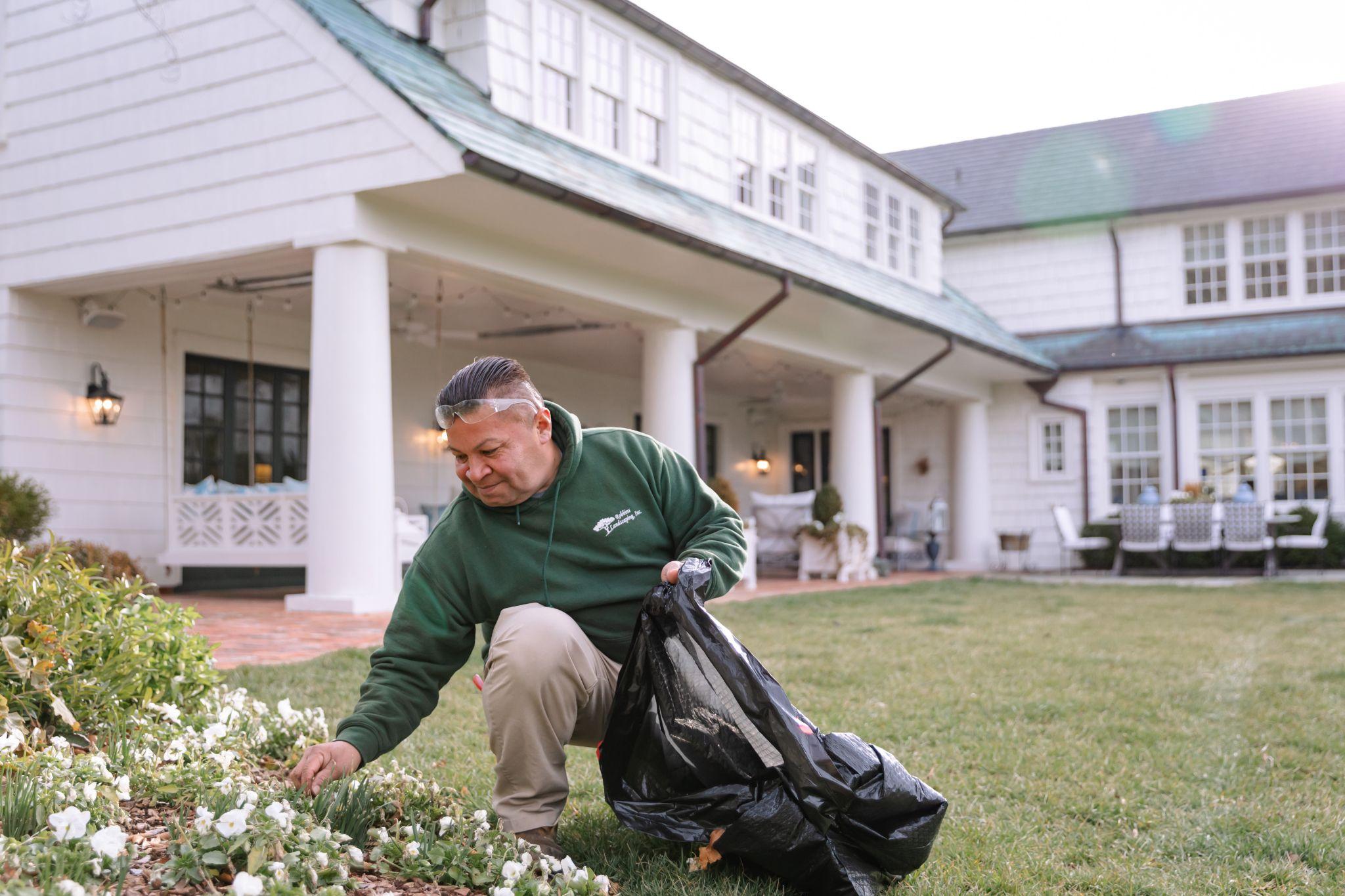
Weeds compete aggressively with desirable plants for water, nutrients, and space, making early prevention essential. As part of consistent residential property maintenance, weed control helps preserve plant health, maintain visual order, and reduce long-term effort. Applying proven strategies aligned with practical home landscaping tips allows weed issues to be addressed proactively rather than reactively.
Pre-Emergent Treatments
Pre-emergent applications help stop weeds before they germinate, reducing the overall weed population throughout the growing season. When applied at the correct time, these treatments create a protective barrier in the soil that limits invasive growth without disrupting established plants.
A Full Weed-Control Plan
Our turf care program is designed to maintain a healthy, turf-type tall fescue lawn free of most broadleaf weeds and undesirable grass species. We partner with VA Green to provide top quality turf care at a reasonable price. By allowing us to manage your turf care, your account manager will work directly with VA Green’s head of commercial sales to more quickly identify and remedy turf issues on your property. Our 5 step program removes the granular fertilization treatment typically offered in the fall as we will fertilize at the time of aeration and seeding.
Round 1
- Pre-Emergent: Controls future weeds including crabgrass and broadleaf weeds
- Post-Emergent: Controls existing weeds including crabgrass and broadleaf weeds
- Fertilization: Nitrogen-rich fertilization to help with “green-up” as temperatures increase
Round 2
- Pre-Emergent: Controls future weeds
- Post-Emergent: Controls existing weeds
- Fertilization: Nitrogen-rich fertilization helps with “green-up” as temperatures increase
Round 3
- Pre-Emergent: Continues to control future weeds and reinforce the current pre-emergent barrier
- Post-Emergent: Controls existing weeds
- Fertilization: Slow release nitrogen fertilizer
Round 4
- Post-Emergent: Controls existing weeds
- Nutsedge Control: Herbicide controls nutsedge and Kyllinga
- Note: This is a blanket spray with no fertilizer
Round 5
- Post-Emergent: Controls existing weeds to prevent/address winter annuals and prepare for spring
- Fertilization: Nitrogen-rich fertilizer continues to aid growth and strength into colder weather
Mulch Coverage
Mulch acts as a physical barrier that blocks sunlight from reaching weed seeds. Maintaining consistent mulch coverage in garden beds helps suppress weed growth while also supporting soil moisture retention and temperature stability.
Healthy Lawn Density
A thick, well-maintained lawn naturally resists weed invasion. Proper mowing, fertilization, and watering practices encourage turf density, leaving fewer openings for weeds to establish themselves. Healthy lawns are one of the most effective long-term weed prevention tools.
Prompt Removal
Even with prevention measures in place, some weeds will appear. Prompt removal prevents them from spreading or going to seed, reducing future infestations. Regular monitoring and quick intervention are key components of reliable residential property maintenance and support long-term landscape stability.
How Should You Monitor For Pests And Diseases?
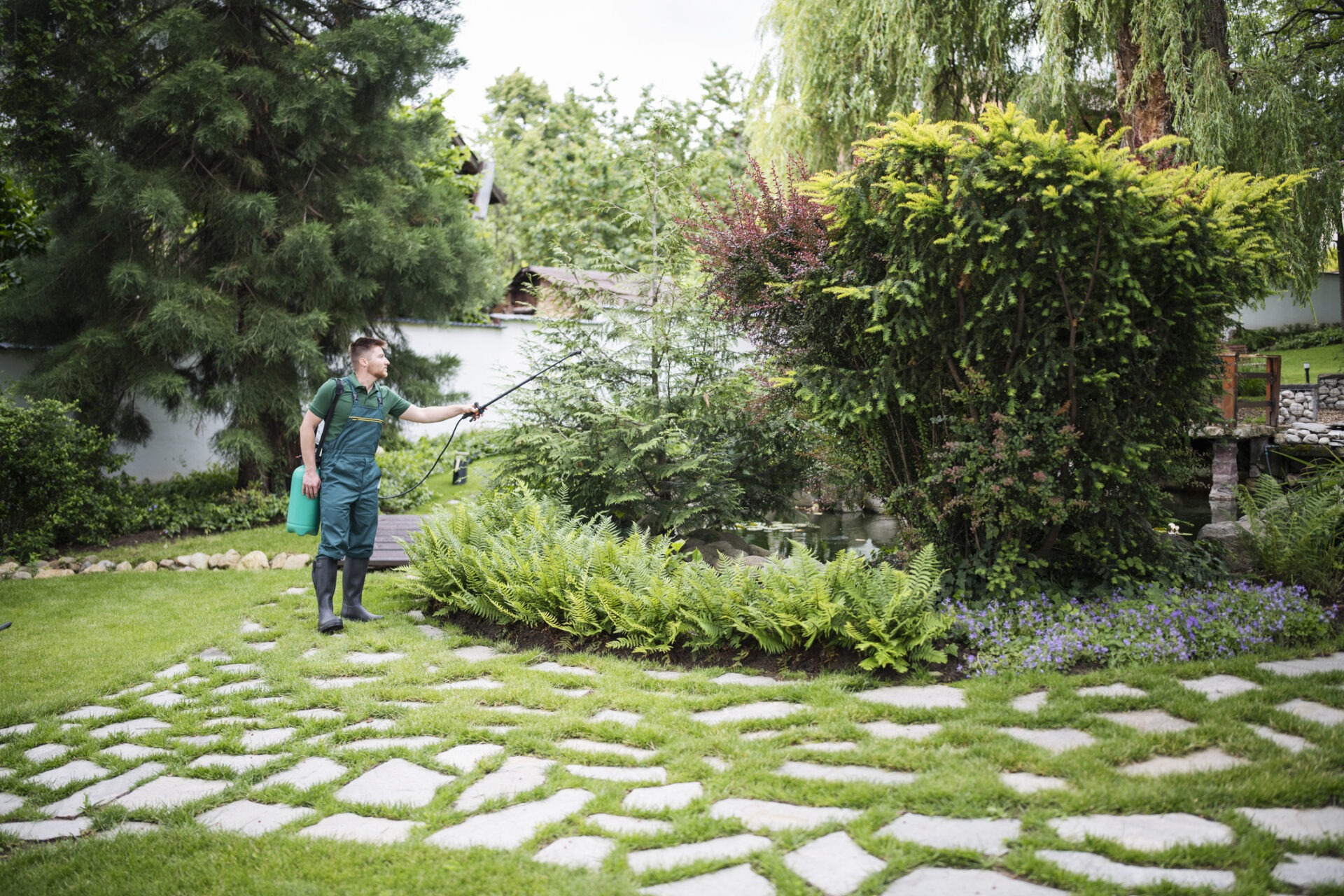
Early detection plays a critical role in residential property maintenance, helping prevent minor issues from becoming widespread problems. Regular monitoring, guided by practical landscape maintenance tips, allows homeowners and maintenance teams to protect plant health and maintain consistency across the landscape.
Monitoring includes:
- Leaf inspections to identify early signs of insect activity, discoloration, or disease.
- Lawn discoloration checks to detect pests, fungal issues, or irrigation-related stress.
- Branch and trunk assessments to spot structural damage, decay, or boring insects before they spread.
What Should You Look For In A Residential Property Maintenance Provider?
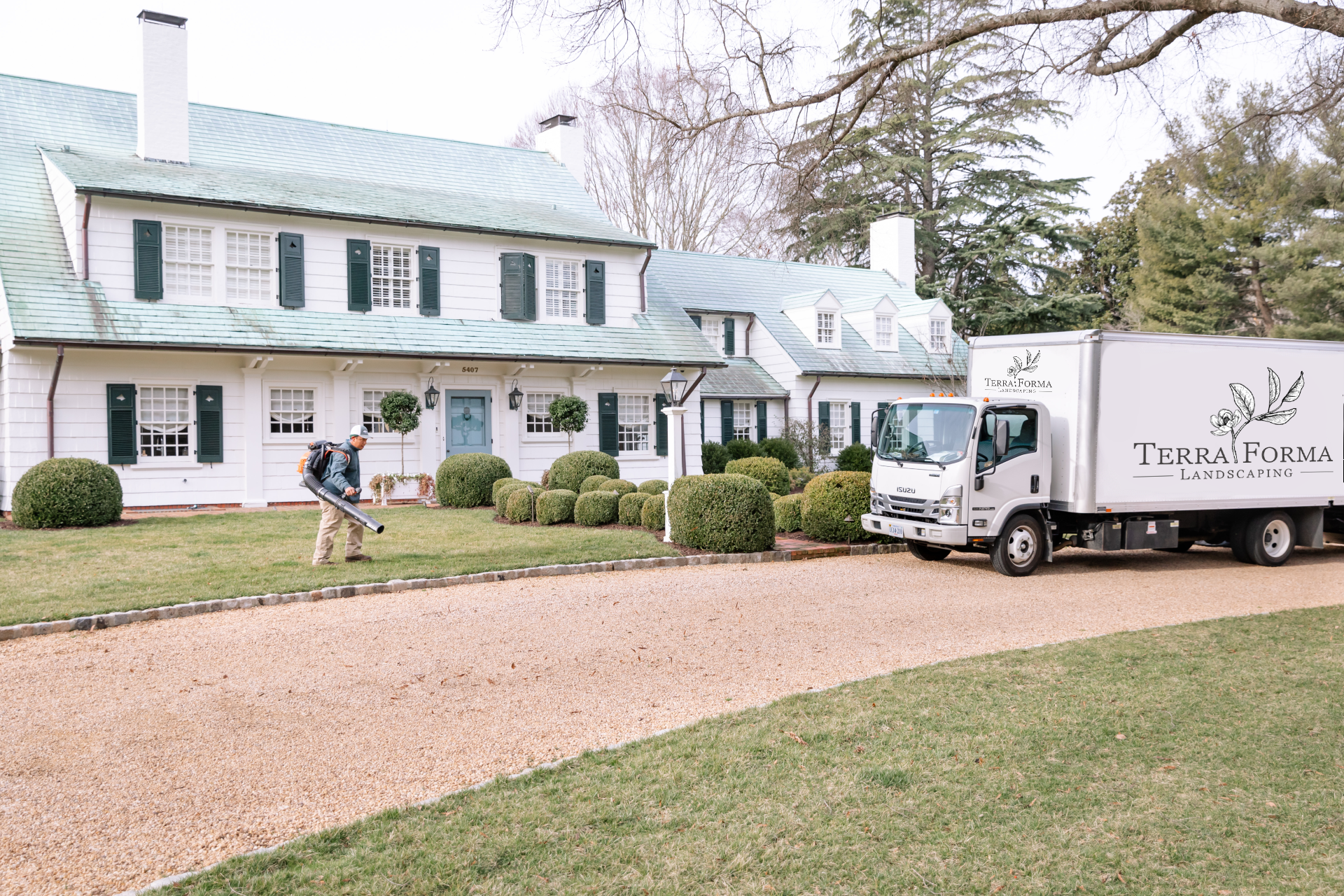
Choosing the right residential property maintenance provider is about more than scheduling routine services. It is about trust, consistency, and confidence that every aspect of the property is being managed with care. A reliable provider simplifies ownership by taking responsibility for the full landscape, ensuring that lawns, gardens, plantings, and systems are maintained proactively rather than reactively. When maintenance is coordinated through a single, accountable team, the property remains organized, healthy, and dependable throughout the year.
Terra Forma Landscaping approaches residential property maintenance with a whole-property mindset. Each client is supported by a dedicated account manager who serves as a single point of contact and oversees all maintenance activity. This role ensures that nothing is missed, priorities are aligned with the property’s needs, and decisions are made with long-term health and appearance in mind. Proactive service allows potential issues to be addressed early, while consistent integrity and attention to detail maintain the standards expected of high-end homes and estate properties.
By managing entire properties rather than isolated tasks, Terra Forma Landscaping removes the burden of coordinating multiple contractors and schedules. The result is a landscape that feels cared for, predictable, and easy to enjoy. When dependable oversight, clear communication, and thoughtful maintenance matter, Terra Forma Landscaping delivers accountable care designed around the property and the people who live there. To experience full-property maintenance with confidence and clarity, book a consultation and see what a truly managed landscape looks like.
Summary:
Residential property maintenance means regularly caring for all aspects of a home’s exterior, including the lawn, gardens, shrubs, and other landscape features. This ongoing upkeep ensures your property remains safe, healthy, and attractive by addressing routine tasks like mowing, weeding, pruning, and seasonal cleanups year-round. Staying consistent with maintenance (or hiring a qualified service) prevents small issues from turning into big problems and keeps your home’s outdoor spaces looking their best in every season.
Tags: