

Residential Property Maintenance FAQs
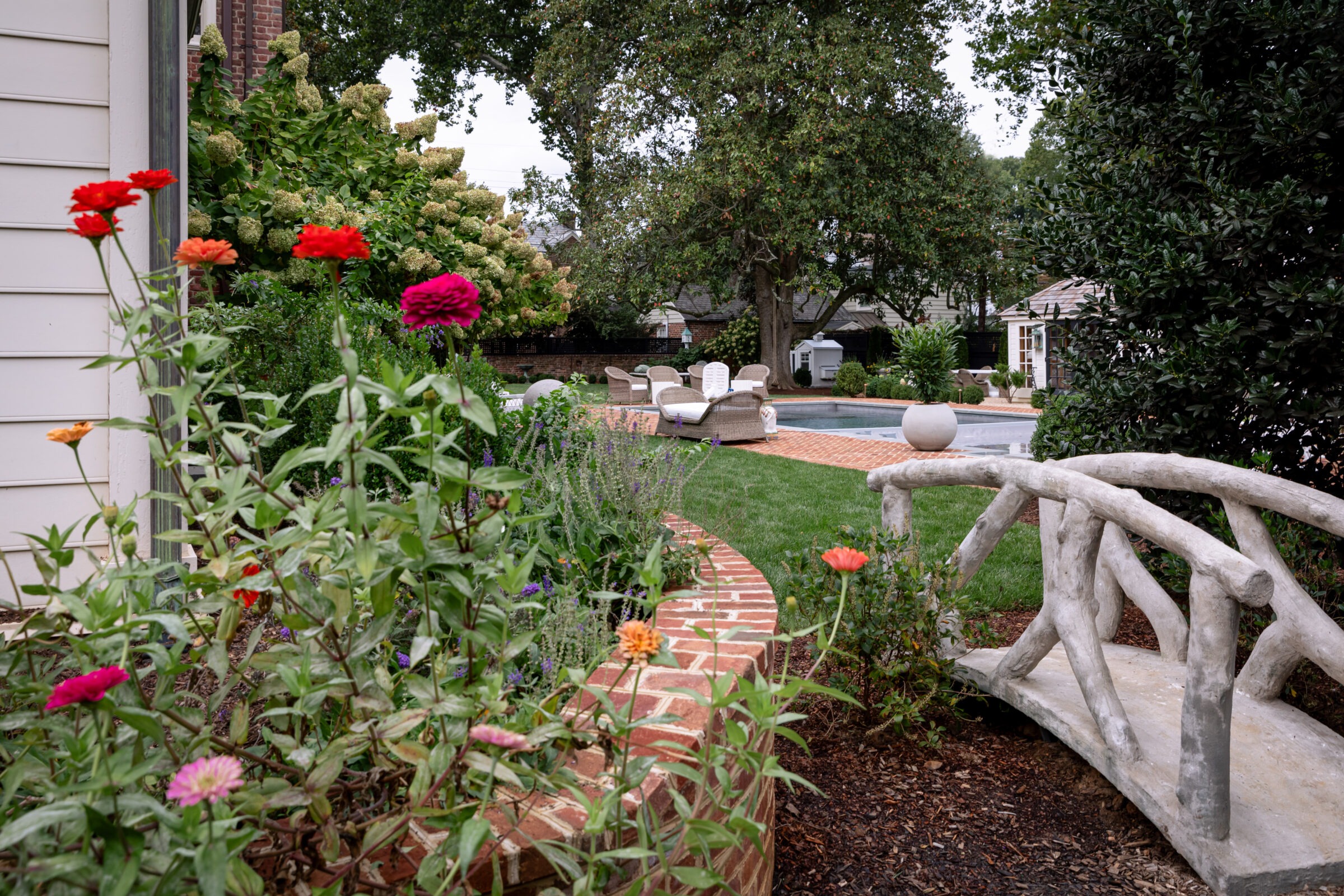
Caring for a home’s outdoor space can feel overwhelming, especially when expectations are high and time is limited. You may notice small issues adding up, from thinning grass to overgrown shrubs, and wonder what actually matters. The right information helps you make steady, confident decisions for your property. This landscaping FAQ answers practical questions homeowners often ask. Please checkout our blog: A Complete Guide for Homeowners on Residential Property Maintenance for deeper insight into long-term care planning.
How Often Should I Mow My Lawn?
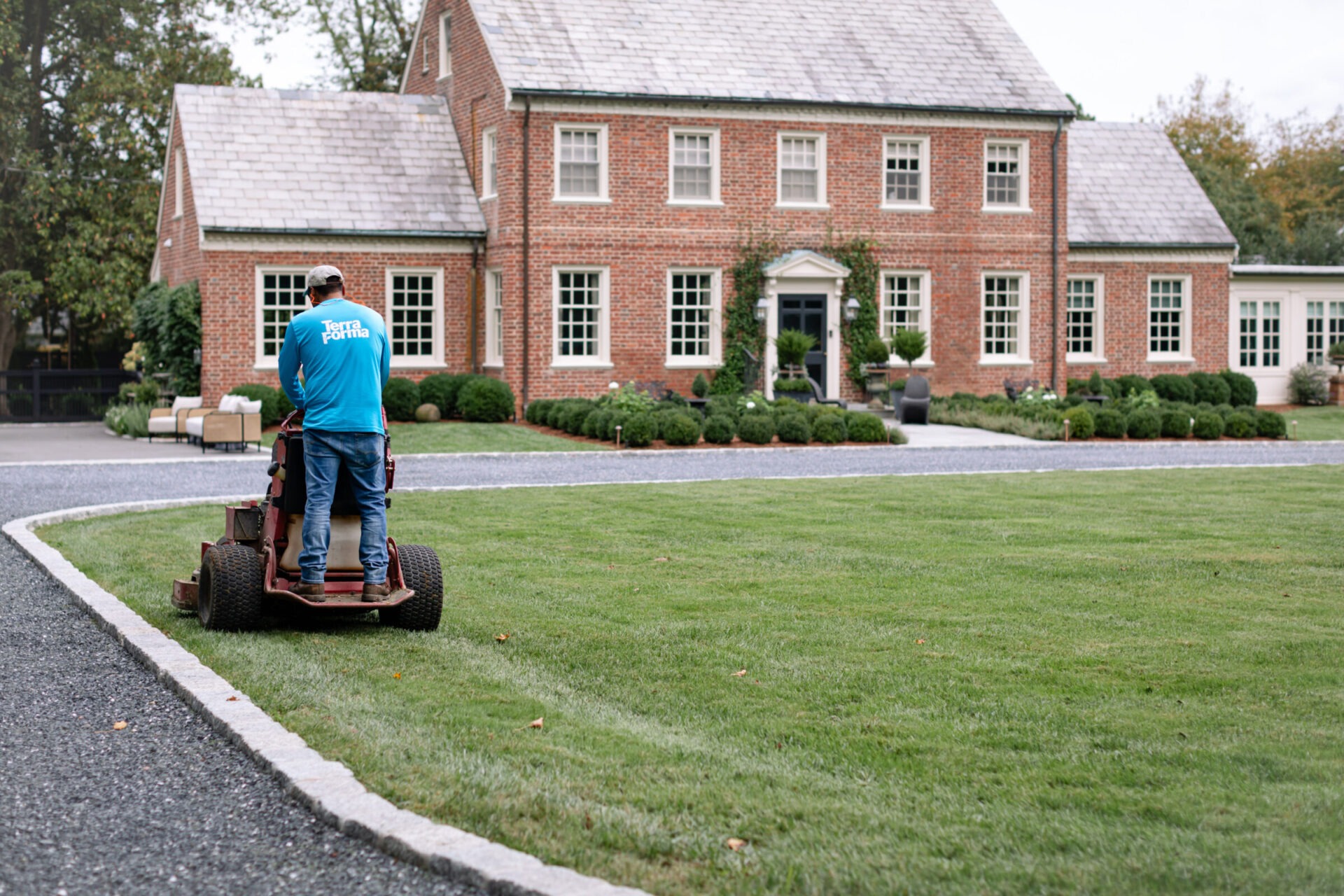
Your mowing schedule depends on grass type, season, and growth rate. During active growth in spring and early summer, most lawns do best when mowed once per week. In slower growth periods, mowing every 10 to 14 days is often enough.
You get healthier turf when you follow the one-third rule. Never remove more than one-third of the blade height at once. This keeps roots strong and reduces stress. Consistent mowing supports long-term residential property maintenance and helps your lawn stay dense and even.
When Is The Best Time To Water My Lawn?
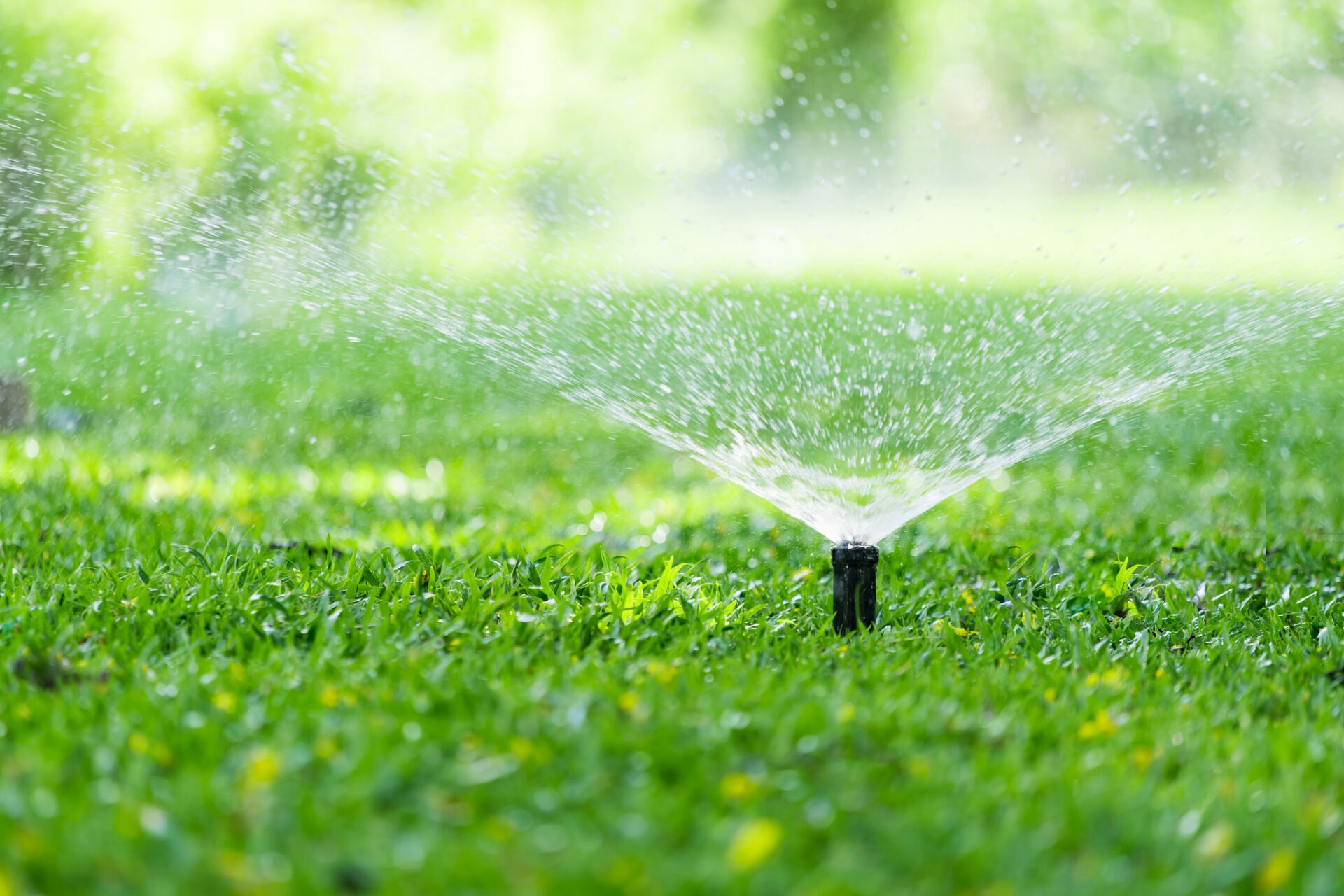
Early morning is the ideal time to water. It allows moisture to reach the roots before heat causes evaporation. Watering between 5 a.m. and 9 a.m. also lowers the risk of fungal issues.
You benefit from deep, infrequent watering rather than light daily watering. This approach encourages deeper roots and better drought tolerance. Many lawn care questions stem from watering habits that seem helpful but actually weaken turf over time.
How Often Should I Fertilize My Lawn Or Garden?
Most lawns respond well to fertilization two to four times per year. Spring and fall applications tend to support steady growth and recovery. Gardens may need feeding based on plant type and soil condition.
Soil testing removes guesswork. You learn what nutrients are missing and avoid overfeeding. Thoughtful fertilization is a key part of residential property maintenance and helps plants grow evenly without excess stress.
When Should I Prune My Trees And Shrubs?
Pruning timing depends on whether plants bloom on old or new growth. Spring-flowering shrubs are best pruned after blooming. Summer and fall bloomers usually respond well to late winter or early spring pruning.
Regular pruning improves structure, airflow, and safety. Many landscape maintenance questions come from uncertainty about cutting too much or too little. Clean, purposeful pruning supports plant health and protects surrounding features.
How Do I Control Weeds In My Lawn And Garden?
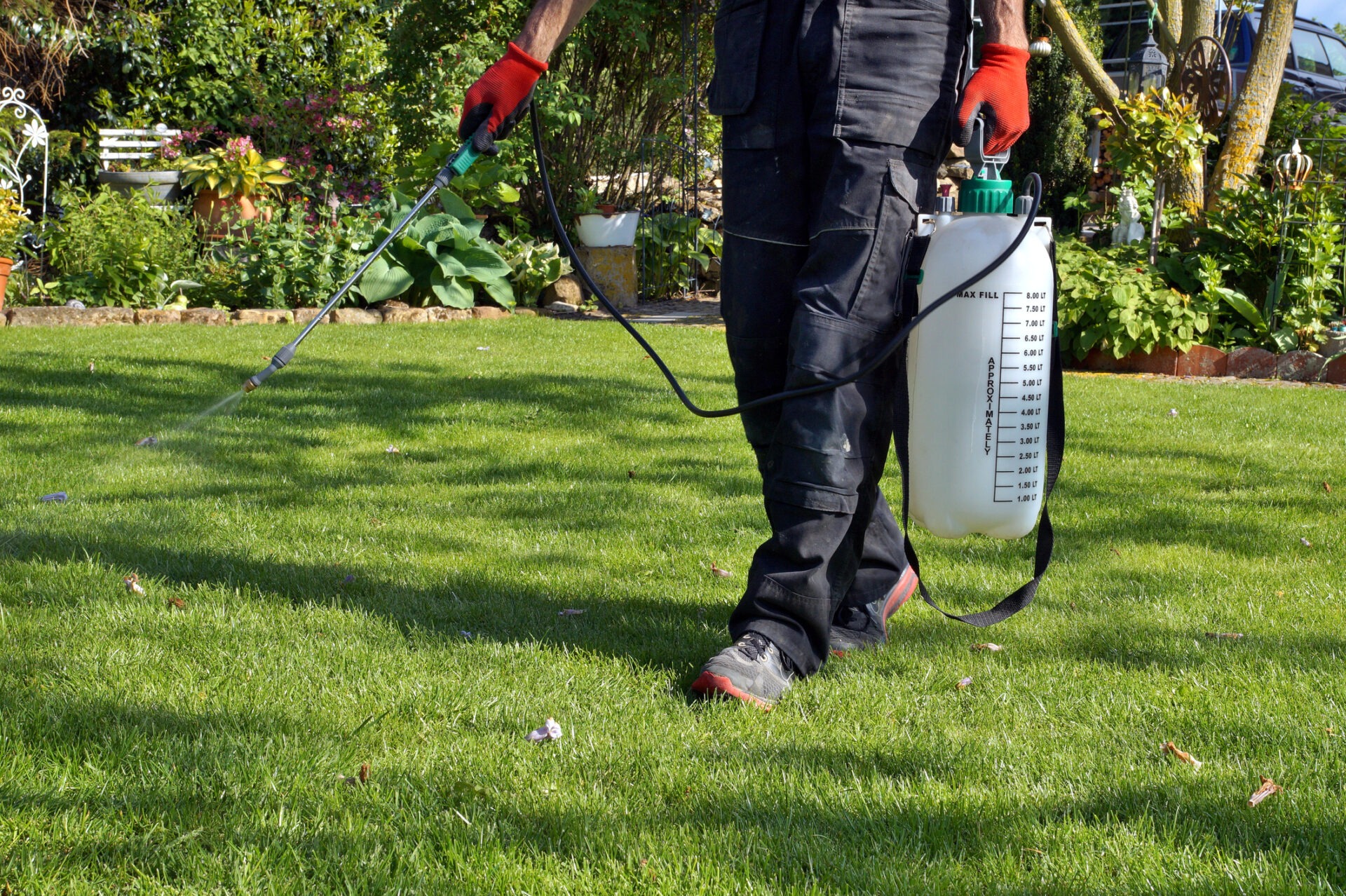
You have options when it comes to weed control. Chemical treatments offer targeted results and work well for widespread infestations. Natural approaches focus on soil health, mulch, and manual removal.
Prevention matters. Thick turf, proper mowing, and healthy soil reduce weed pressure. This balance is often discussed in garden maintenance questions, especially for homeowners who value long-term results over quick fixes.
What Does Residential Property Maintenance Include?
Residential property maintenance covers more than mowing and trimming, which is why this topic is often addressed in Residential Property Maintenance FAQs. It includes lawn care, pruning, fertilization, weed control, seasonal cleanups, soil care, and ongoing plant health monitoring.
You also gain peace of mind knowing your property is checked regularly. Small issues are noticed early and handled before they grow into larger concerns. For estate properties, this consistent approach helps maintain appearance, usability, and long-term condition throughout the year.
Should I Maintain My Yard Myself Or Hire A Professional?
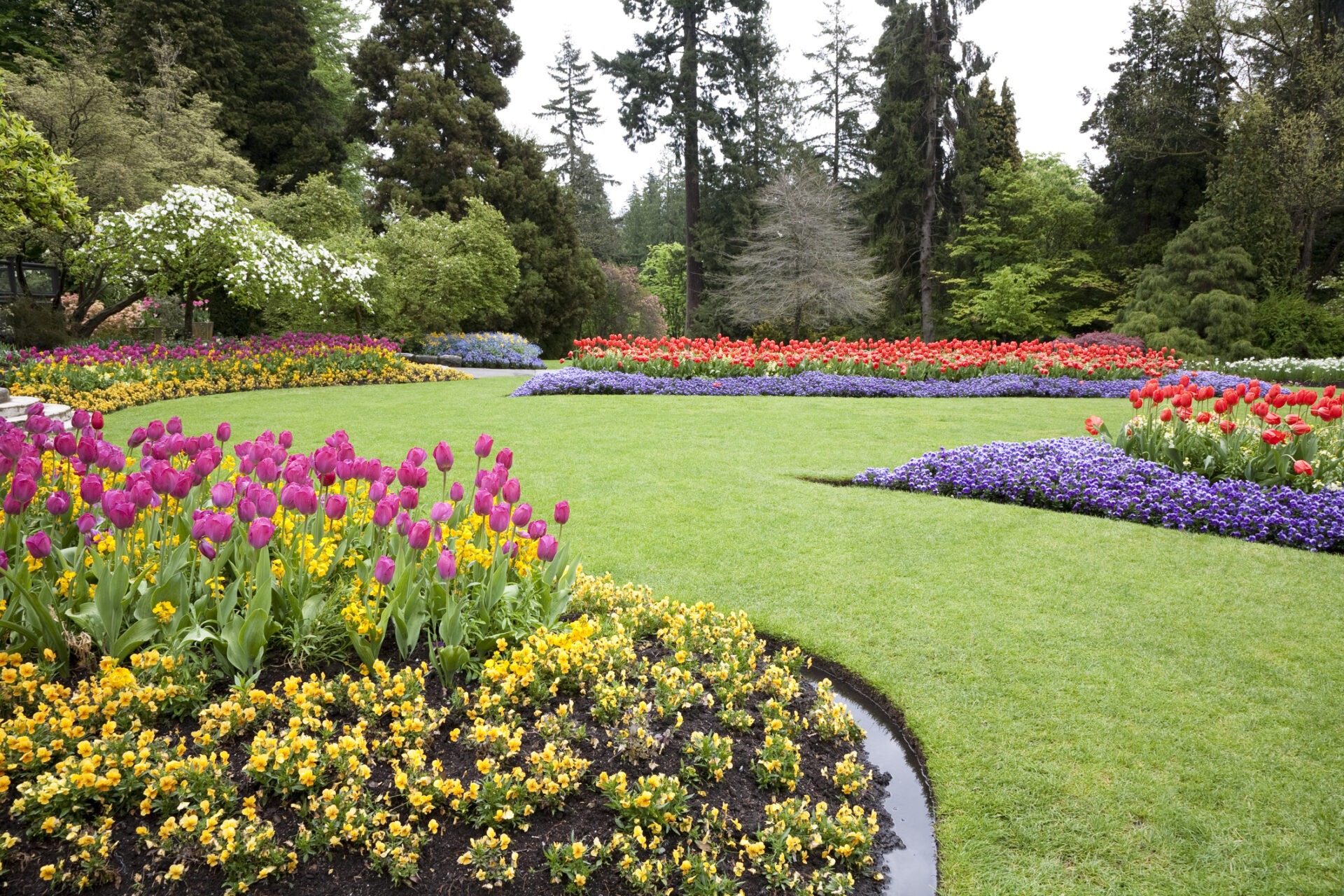
Some homeowners enjoy hands-on care. Others prefer expert support that frees up time and reduces stress. The decision often comes down to schedule, property size, and desired results.
Professional care brings consistency and trained observation. Many property maintenance questions arise after DIY efforts become difficult to sustain. A steady plan supports long-term results without constant catch-up work.
How Do I Prepare My Yard For Winter Months?
Fall preparation protects your landscape through colder months. This includes final mowing, leaf removal, pruning as needed, and soil care. Gardens benefit from cutbacks and protective mulch.
You also help turf recover faster in spring when winter prep is done correctly. Planning ahead is an essential part of residential property maintenance for homes in variable climates.
Should I Aerate My Lawn, And How Often?
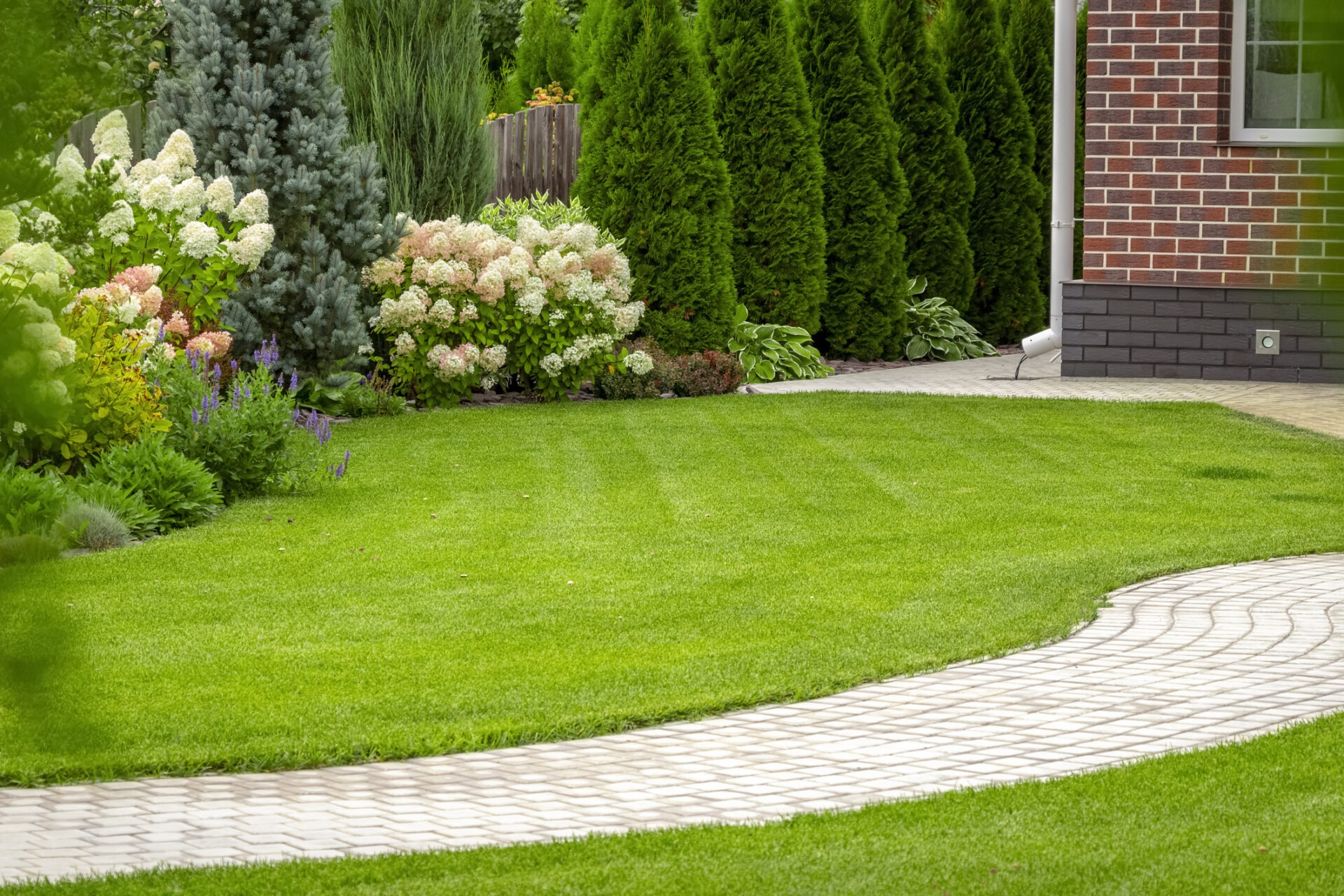
Aeration relieves soil compaction and improves water and nutrient flow. Most lawns benefit from aeration once per year, often in fall or spring.
Heavily used lawns may need it more often. Many lawn care questions relate to thinning grass caused by compacted soil. Aeration creates space for roots to grow deeper and stronger.
How Do I Fix Bare Or Brown Patches In My Lawn?
Bare patches often come from stress, compaction, pests, or watering issues. The first step is identifying the cause. Reseeding, soil improvement, and proper watering usually restore coverage.
You get better results when repairs are timed with growing seasons. Addressing patches promptly keeps small problems from spreading across the lawn.
How Can I Keep My Lawn Healthy During The Summer?
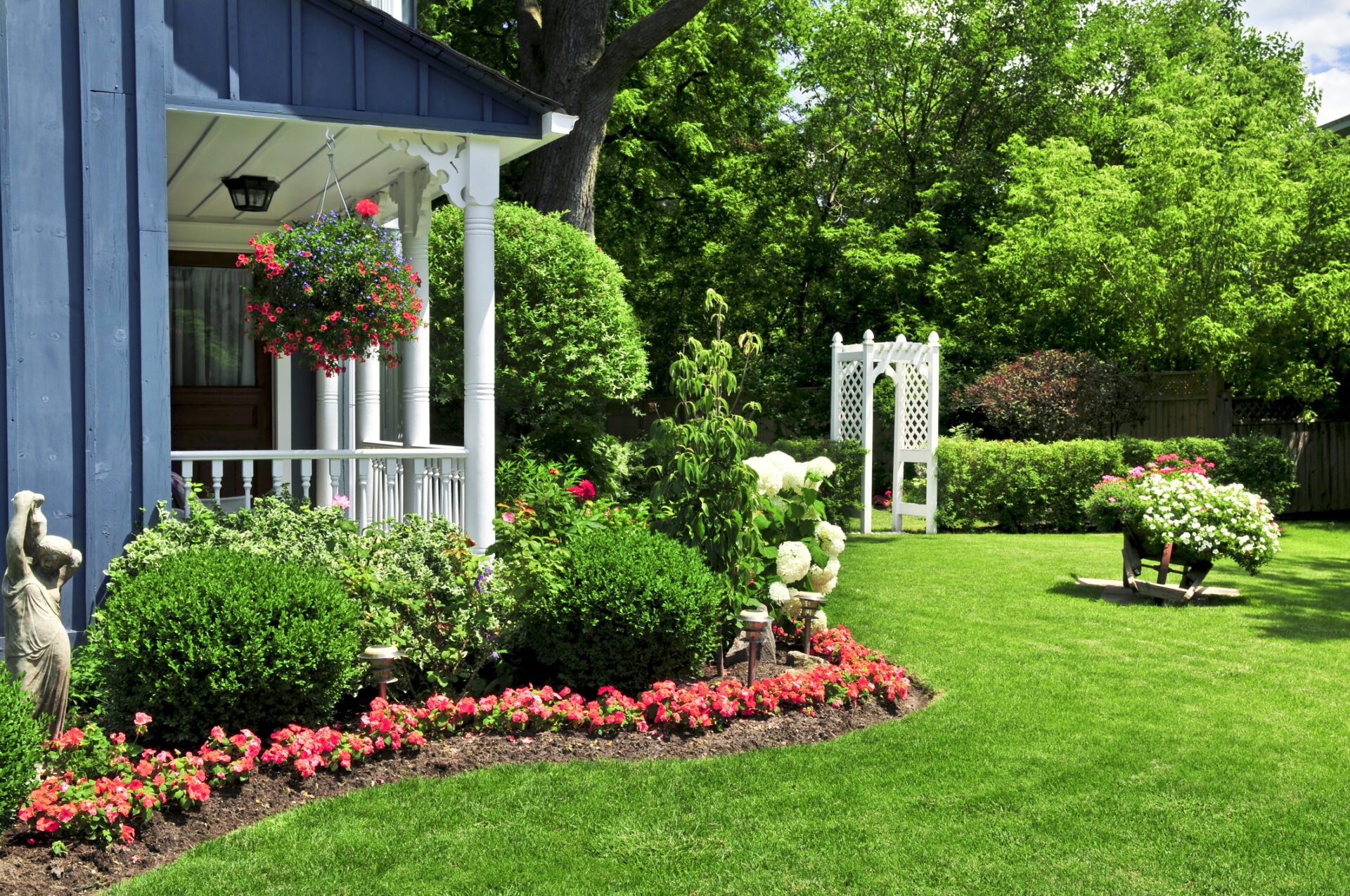
Summer care focuses on stress reduction. Raise mowing height, water deeply, and limit traffic during heat waves. These steps protect roots and reduce damage.
Many common landscaping questions center on summer decline. Adjusting expectations and care routines helps lawns stay resilient during high temperatures.
How Do I Maintain My Flower Beds And Plants?
Healthy beds start with good soil and proper spacing as part of your overall maintenance routine. Regular weeding, deadheading, and watering keep plants balanced. Mulch helps retain moisture and limit weed growth.
Observation matters. You notice changes early and respond before plants struggle. Consistent bed care supports the overall look of your property.
How Can I Prevent Pests From Damaging My Lawn Or Plants?

Prevention begins with plant health. Strong turf and plants resist pests better than stressed ones. Monitoring allows early treatment when pests appear.
Integrated approaches combine cultural practices, natural controls, and targeted treatments.
How Often Should I Replenish Mulch In My Garden Beds?
Most garden beds benefit from fresh mulch once per year. Mulch breaks down over time and should be refreshed to maintain depth and coverage.
You gain moisture retention, weed suppression, and soil protection. This simple task supports both plant health and visual consistency across your landscape.
A Thoughtful Approach To Ongoing Care
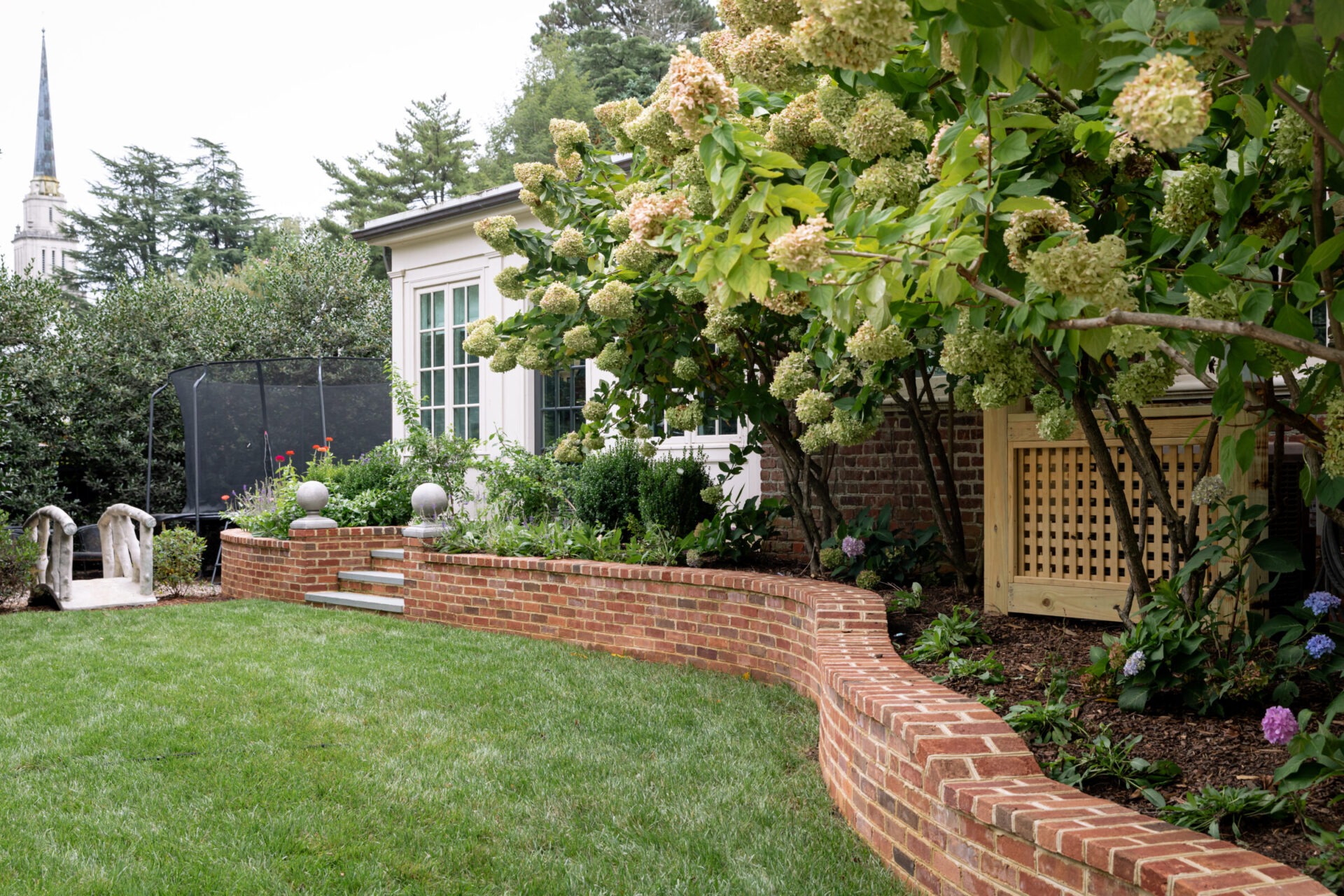
Caring for your outdoor space is about steady attention and informed decisions. When your yard is maintained with care, it becomes an extension of your home that feels calm and dependable. If you want guidance tailored to your property, you can book a consultation to discuss next steps.
Summary
This guide addressed residential property maintenance questions homeowners often ask, from mowing and watering to pruning and pest control. By understanding these basics, you make informed choices that support long-term landscape health. These answers to common landscaping questions, lawn care questions, garden maintenance questions, landscape maintenance questions, and property maintenance questions are part of the broader spectrum of Residential Property Maintenance FAQs that you may need to stay garden-savvy. This article helps you care for your outdoor space with confidence.
Tags: