

How to Maintain Your Yard Year-Round: A Step-by-Step Guide

Maintaining a beautiful yard year-round can feel overwhelming. If you’re unsure how to maintain your yard through changing seasons, you’re not alone. Neglecting even small tasks can lead to overgrown lawns, pest infestations, or costly damage. The good news is that maintaining your yard effectively doesn’t have to be stressful. With a clear plan and consistent care, you can enjoy a lush, tidy landscape in every season.
This guide will show you how to maintain your yard all year long, keeping your property in top shape and giving you peace of mind.
How do I inspect my property and list maintenance needs?
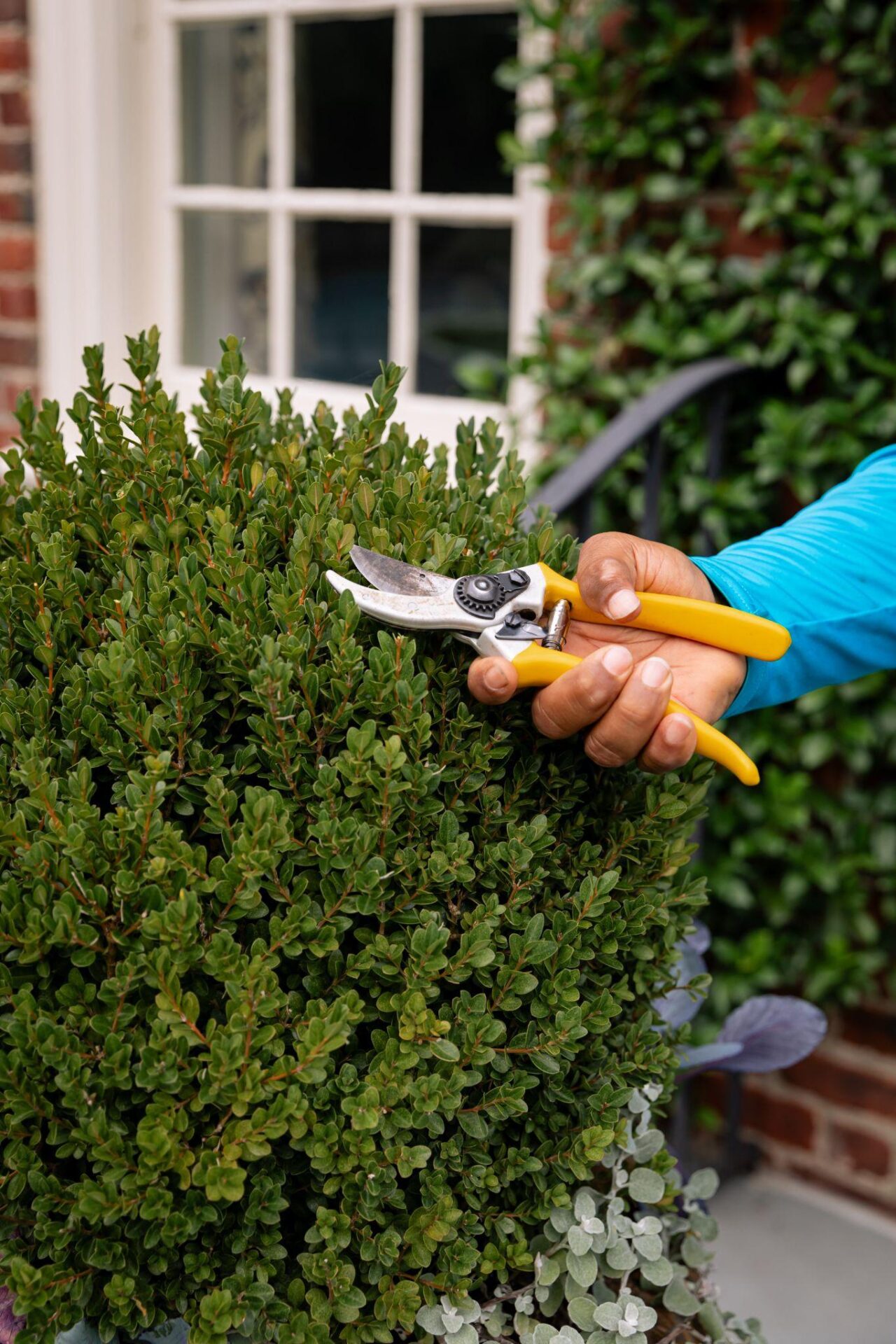
Begin by walking your property and noting everything your yard needs. A thorough inspection is the first step in maintaining your yard proactively. Look for issues like patchy grass, weed infestations in garden beds, overgrown shrubs, debris buildup, or drainage problems. Create a comprehensive yard maintenance plan and list any necessary repairs you notice (for example, pest damage on plants or a broken sprinkler head). This careful inspection ensures your yard maintenance plan covers every important detail. By identifying problems early, you can address them before they worsen and avoid costly fixes; a key to effective year-round lawn care.
How do I create a seasonal yard maintenance plan?
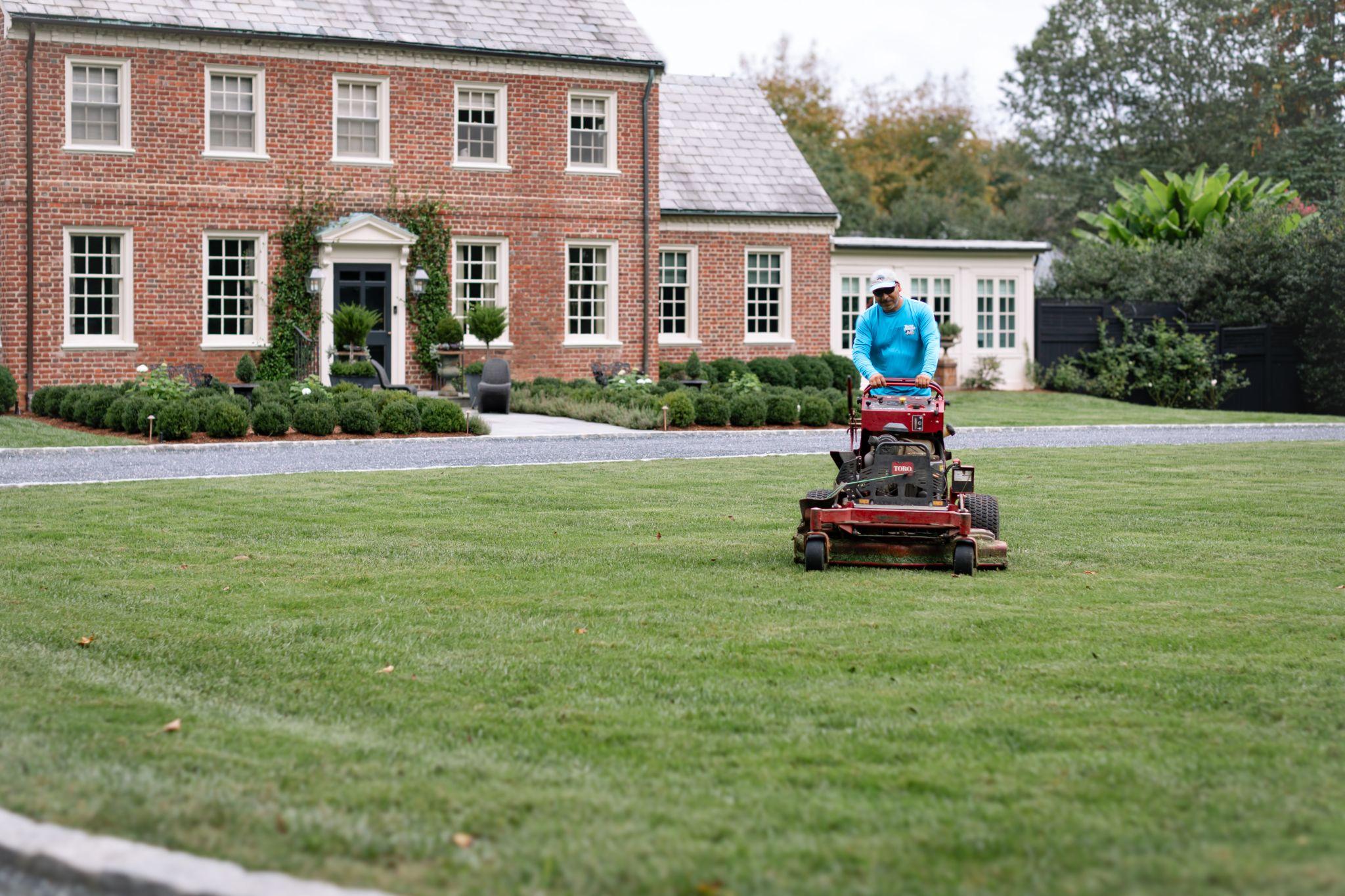
Planning is essential for year-round yard care. A seasonal yard maintenance plan outlines the tasks to be done and when they should be completed. Divide the year into seasons and list the key chores for each one. For example, plan spring cleanup and fertilizing; summer watering adjustments and mowing; fall leaf removal and overseeding; and winter plant protection. Your yard maintenance plan should be realistic and tailored to your landscape’s needs. It serves as a roadmap, ensuring that nothing important is forgotten. By preparing this seasonal landscape maintenance schedule, you’ll know exactly when to mulch, prune, seed, or handle other tasks.
If you’re looking for more details on how to maintain your yard in all seasons, check our Comprehensive Guide for Homeowners on Residential Property Maintenance.
How do I schedule routine lawn and garden care tasks?

Consistency is crucial in any yard maintenance plan. Once you have identified your seasonal priorities, establish a regular lawn care schedule to handle routine tasks. How often should you mow, weed, water, or fertilize? Generally, mow about once a week during the growing season, water deeply when needed (around one inch of moisture per week, including rain), pull weeds every week or two, and fertilize a few times a year (such as in spring and fall). Choose specific days for these tasks so that maintaining your yard becomes a steady habit. Using a calendar or reminders to track your routine will ensure continuous care. By sticking to consistent intervals for key chores, you prevent small problems from escalating and keep your yard looking its best throughout the year.
Which tools and supplies do I need for year-round yard care?
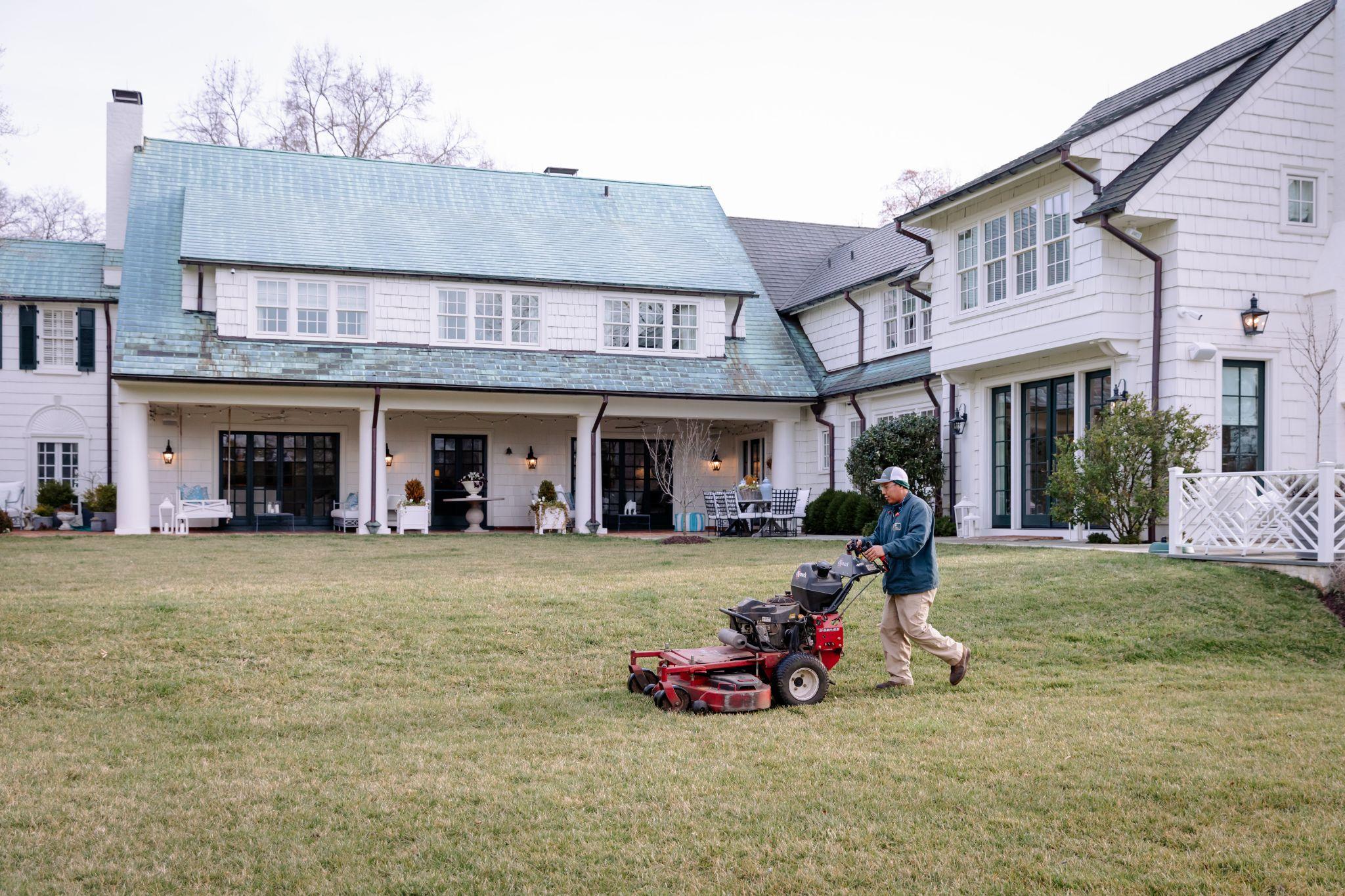
Having the right equipment makes all the difference in how to maintain your yard. Before starting yard work, gather the necessary tools and supplies to ensure you’re prepared for any task.
Essential items for year-round lawn care include:
- Lawn mower: For regular mowing to keep grass at a healthy height.
- String trimmer / Edger: To tidy up lawn edges and hard-to-reach areas.
- Rake and leaf blower: For clearing leaves, grass clippings, and other debris.
- Pruning shears and loppers: To trim shrubs, hedges, and small tree branches as needed.
- Garden hose and sprinkler: To water your lawn and plants effectively (especially during dry spells).
- Spreader: For evenly applying grass seed, fertilizer, or weed control products.
- Shovel, trowel, and gardening gloves: For digging, planting, and protecting your hands during outdoor projects.
Also, keep supplies like grass seed, fertilizer, mulch, and pest treatments on hand as part of your seasonal landscape maintenance plan. With these tools and materials ready, maintaining your yard becomes safer and more efficient, since you’ll always have the right tool for the job.
What weekly and monthly yard maintenance tasks should I do?
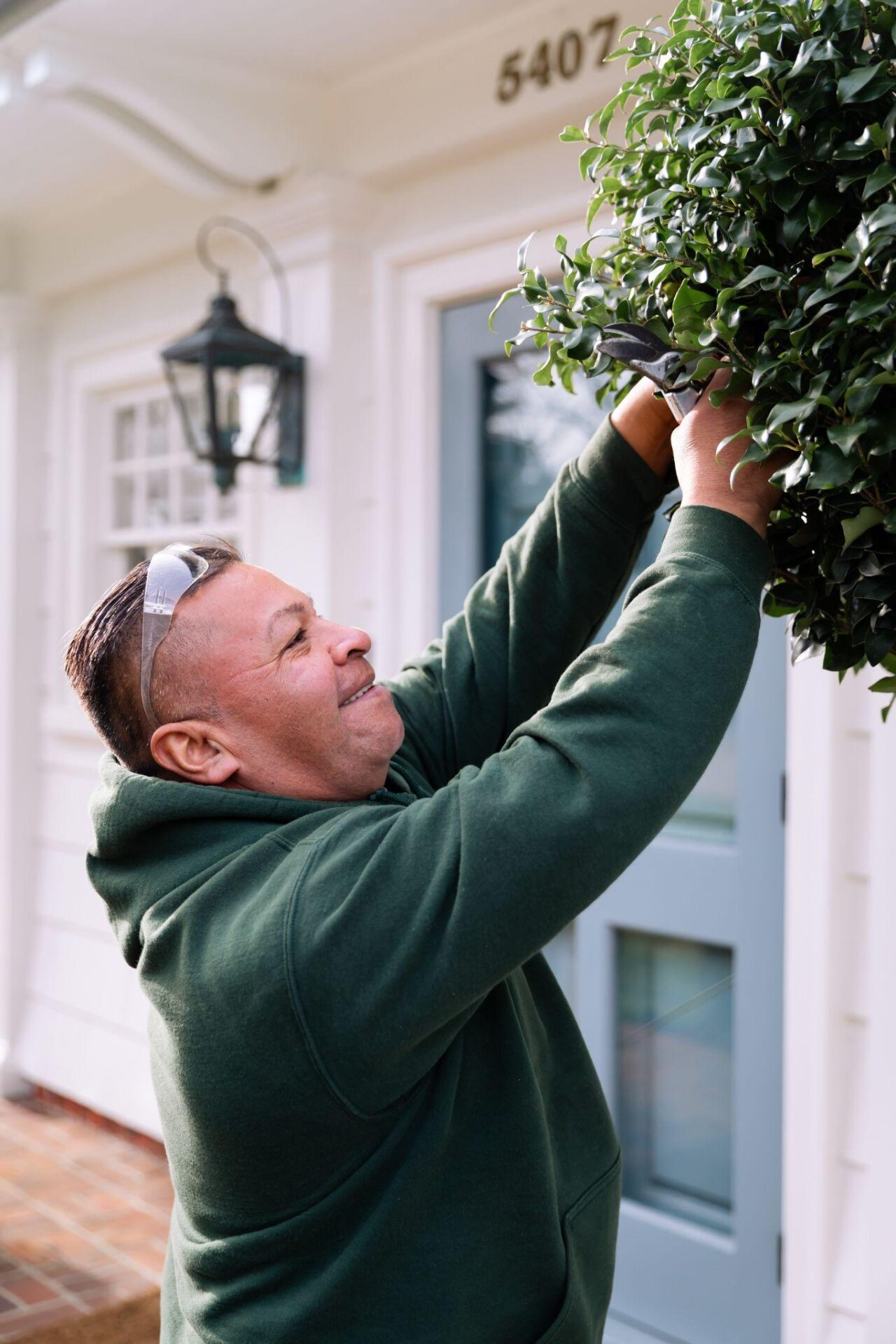
Regular upkeep is a cornerstone of how to maintain your yard successfully. Some tasks require attention on a weekly basis, while others can be completed monthly.
Staying on top of both will keep your landscape in prime condition.
Weekly Tasks
Mow your lawn weekly during the active growing season (and raise the mower deck in summer heat to avoid stressing the grass). Pull any weeds you spot in the lawn or garden beds before they have a chance to spread. Water your grass and plants if rainfall is lacking, aiming for a deep soaking once a week. Also, tidy up by sweeping patios and walkways and removing any small debris. These consistent weekly steps are fundamental to year-round lawn care.
Monthly Tasks
Prune shrubs and hedges about once a month to maintain their shape and health. Inspect your irrigation system monthly to ensure that sprinkler heads are functioning properly and there are no leaks. Apply fertilizer or lawn treatments approximately every 6–8 weeks (a few times per year, aligned with the seasons) to give your turf and plants the necessary nutrients. Refresh mulch in garden beds as needed, and conduct a monthly check for pests or diseases on your plants to treat any issues early.
If you want clear answers on how to maintain landscaping, check our Comprehensive Guide for Homeowners on Residential Property Maintenance.
How should I adjust my yard maintenance for seasonal changes?
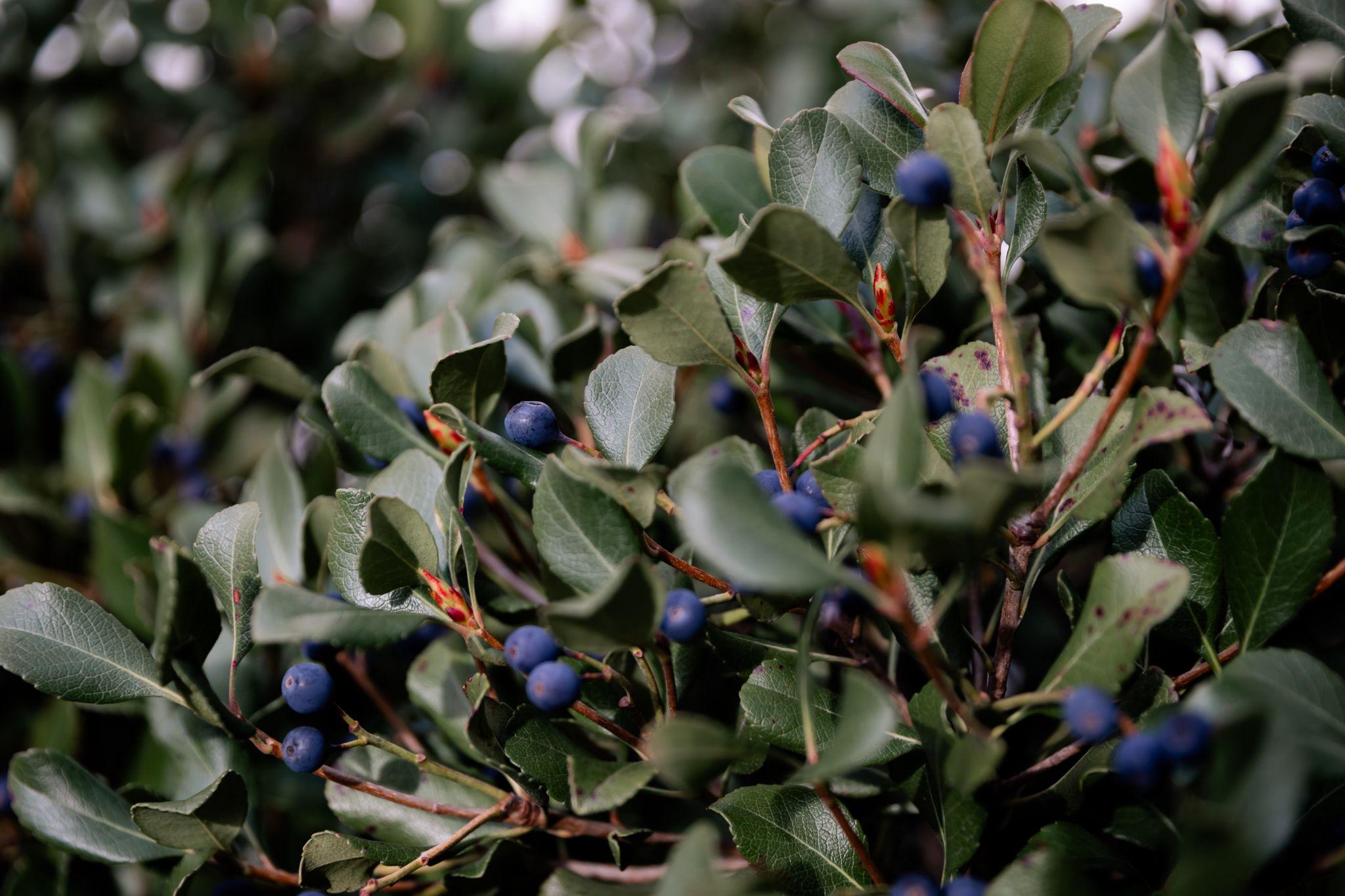
Each season brings new conditions, so adjusting your seasonal landscape maintenance plan throughout the year is vital to how to maintain your yard successfully. For spring, clear winter debris, fertilize, and patch bare lawn spots to jump-start growth. In summer, mow a bit higher and water deeply (preferably in the early morning) to help the grass endure the heat; also watch for pests or brown patches and address them promptly. Fall yard care involves raking leaves (or mulching them), fertilizing to strengthen roots for winter, overseeding thin lawn areas, and pruning plants as they go dormant. In winter, protect delicate shrubs from frost and avoid walking on frozen grass; gently brush heavy snow off branches and winterize your irrigation system to prevent freeze damage.
Why is it important to monitor my yard and address issues promptly?

Even with a solid year-round lawn care plan, unexpected issues can arise in any yard. Regular monitoring is a crucial part of how to maintain your yard effectively. Take a look around your property every week or two to catch early signs of trouble. Look for signs such as brown patches in the grass, wilting or spotted leaves on plants, pests (like insects or chew marks on foliage), or areas of standing water. If you notice a problem, address it promptly. For example, pull a small cluster of weeds before they overrun a flower bed, or treat a minor pest issue on one shrub before it spreads to others. Taking quick action prevents minor issues from turning into major, costly repairs. By staying vigilant and responsive, you’ll keep your yard healthier and save yourself time and stress.
For larger issues, such as broken pavers, damaged retaining walls, or drainage failures, Terra Forma Landscaping offers comprehensive landscape repair services. Whether it’s hardscape or softscape, our company is your single partner for everything, removing the hassle of dealing with multiple contractors and ensuring your entire property gets the attention it deserves.
When should I call in professional help for yard maintenance?
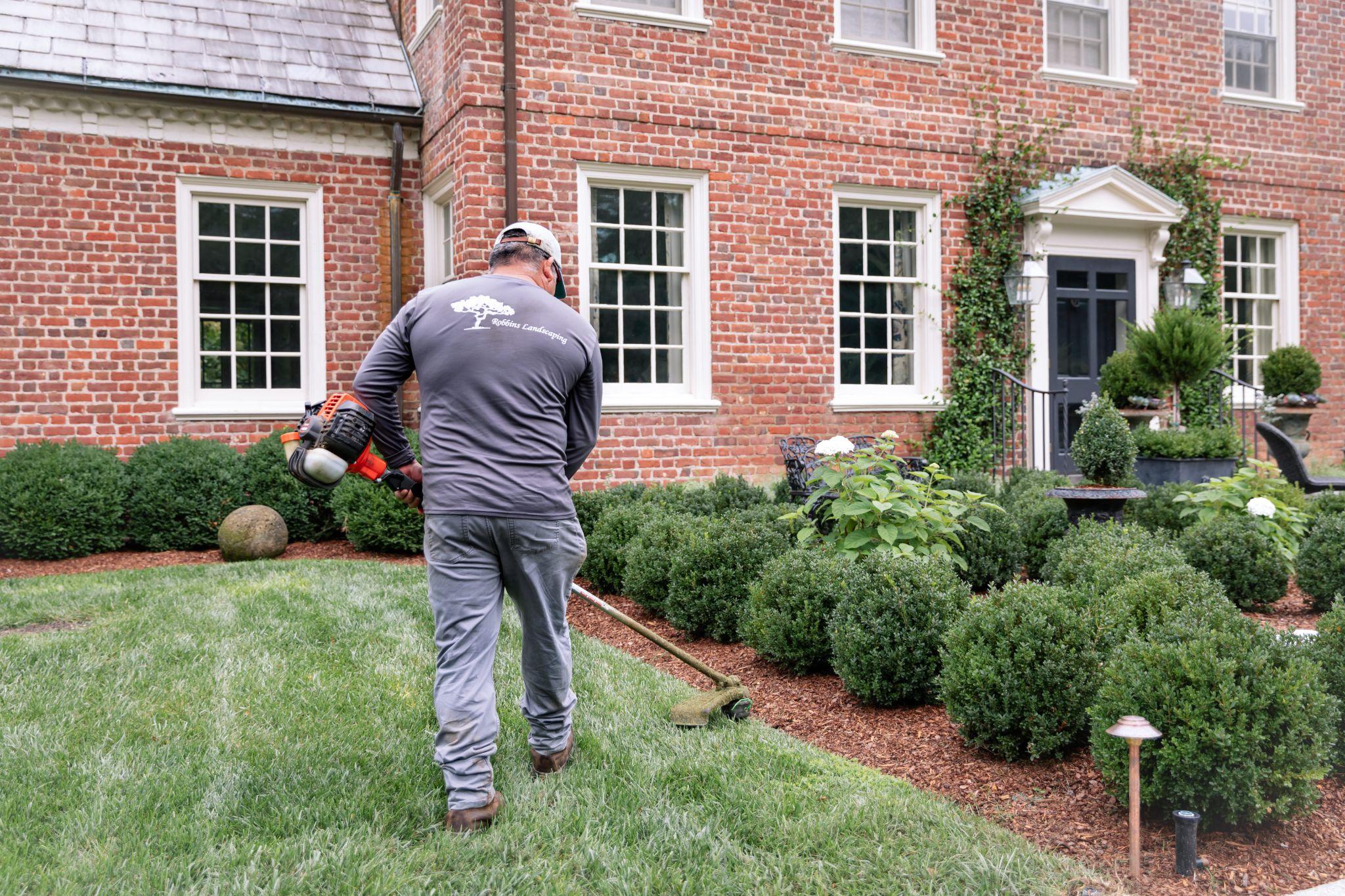
Even the most dedicated homeowners can hit limits with DIY lawn care. If your weekends are spent troubleshooting dead patches, reviving failing plants, or repairing irrigation issues, it might be time to consider expert support. Knowing when to get help is part of understanding how to maintain your yard responsibly.
Some tasks, such as diagnosing persistent drainage problems or repairing damaged hardscaping, require specialized expertise. Others, such as managing large estate properties, demand more time than most homeowners can give. That’s where professional support becomes essential.
Terra Forma Landscaping provides full-service care, eliminating the need to coordinate with multiple contractors. Whether it’s lawn care, planting, irrigation, or repair work, everything is handled under one roof. Our company assigns you a dedicated account manager who oversees your entire landscape with proactive service and consistent communication.
If you’re unsure how to maintain landscaping at the level your property requires, a partner like Terra Forma ensures no detail is overlooked. With thoughtful planning and long-term care, your outdoor spaces stay healthy and polished throughout the year.
Ready for dependable, full-property care? It’s time to book a consultation.
Summary:
Ultimately, learning how to maintain your yard year-round comes down to consistent care, smart planning, and timely adjustments. By inspecting your property, creating a seasonal yard maintenance plan, sticking to a lawn care schedule, and addressing issues promptly, you can keep your landscape healthy in every season. And when in doubt, don’t hesitate to seek help to protect your outdoor investment.
Tags: