

10 Lawn Care and Landscape Maintenance Mistakes to Avoid

Your yard shapes how your home feels every day. When it is well cared for, it feels calm and intentional. When it starts slipping, it quietly adds stress. Many homeowners believe problems come from weather or soil alone, but most issues actually come from habits that build over time. These habits often turn into lawn care mistakes before you realize anything is wrong.
What makes this challenging is that many common lawn care mistakes sound reasonable. Mowing a little lower so the lawn looks neater longer. Watering more during the heat. Waiting on weeds until there is time. These choices feel practical in the moment, yet they often create more work later. On larger residential properties, the impact shows up faster and spreads wider.
High-end homes and estate properties benefit from consistency and restraint. When your maintenance approach is steady and informed, your outdoor space becomes an extension of your home instead of another obligation. The following sections outline ten mistakes to avoid so your lawn and landscape stay healthy, usable, and dependable.
1. Mowing Your Lawn Too Short
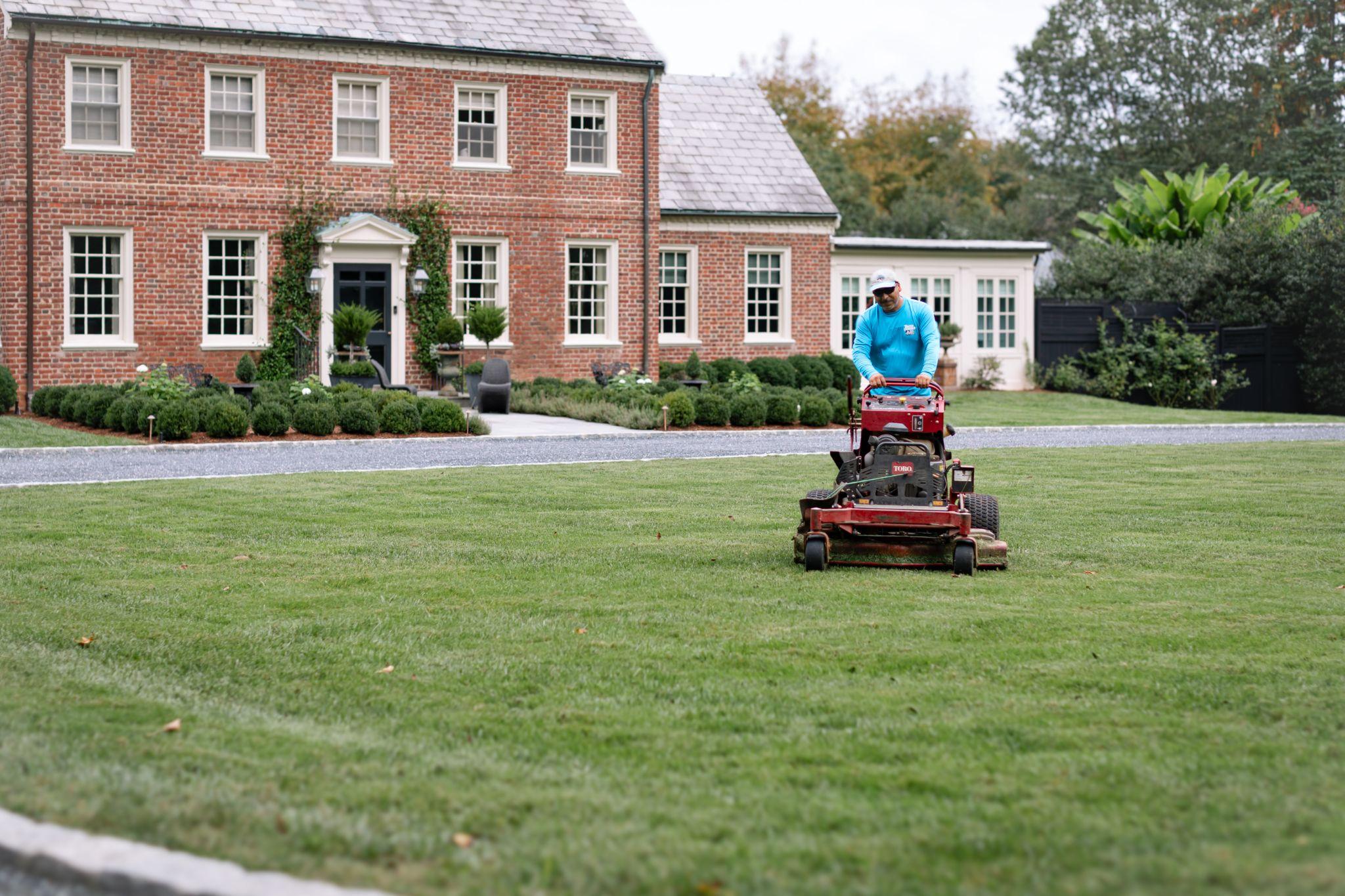
Cutting grass too low is one of the most frequent lawn mowing mistakes seen on residential properties. It creates a sharp, manicured look right after mowing, but it significantly weakens the turf over time. When too much of the grass blade is removed, the plant struggles to photosynthesize and recover efficiently from environmental stressors like intense heat, heavy foot traffic, and seasonal changes. Over time, this stress leads to shallow roots, thinning patches, and an increased susceptibility to disease, becoming one of the most visible and frustrating issues homeowners face.
Grass needs enough leaf surface area to feed itself and sustain healthy root growth. Slightly taller turf shades the soil more effectively, which helps the ground retain essential moisture for longer periods, and directly supports the development of a deeper, more robust root system. When a consistent, appropriate mowing height is maintained, you substantially reduce turf thinning, make the lawn more drought-resistant, and slow the establishment and spread of weeds. This consistent practice prevents recurring lawn care errors that leave otherwise healthy lawns looking brown, tired, and sparse by midsummer.
Healthy mowing habits include:
• Following the one-third rule: Never remove more than one-third of the grass blade’s total height in a single mowing session.
• Raising mower height during hot weather: Taller grass blades provide better insulation and shade for the roots and soil, protecting the plant during peak summer heat.
• Mowing consistently rather than cutting low to catch up: Frequent mowing at the correct height is always better than letting the grass get too tall and then scalping it to reduce the height drastically.
These simple, preventative steps help the turf avoid chronic stress and significantly limit the future challenges and costly maintenance issues that would otherwise require intensive correction later in the season.
2. Overwatering Or Underwatering Your Yard
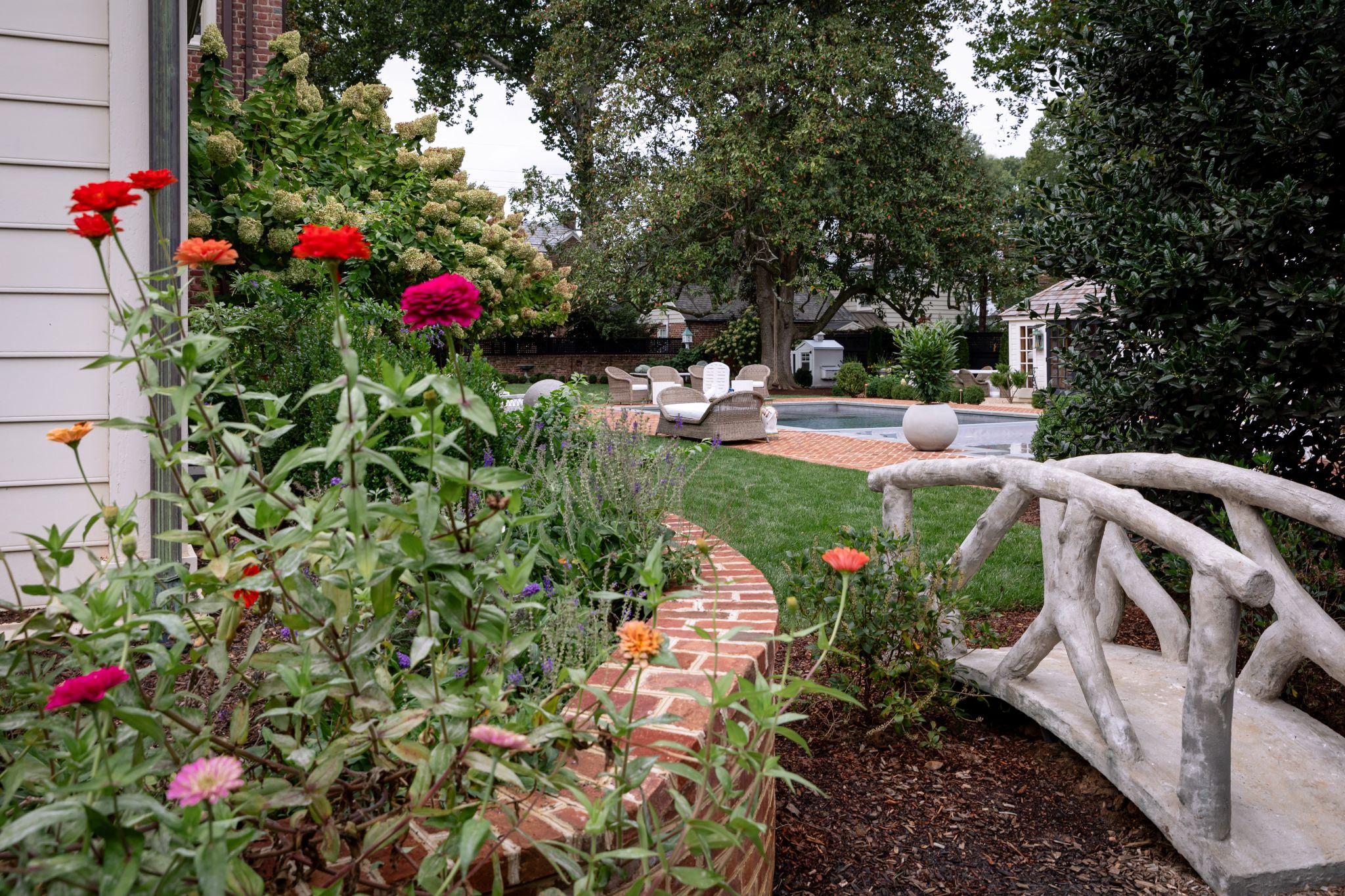
Watering routines are behind many yard maintenance mistakes, especially on properties with automated irrigation systems. Setting a system to run for short periods daily or multiple times a week is a common pitfall. Too much water, particularly applied frequently and shallowly, encourages turf to develop shallow roots, making it vulnerable to drought and heat, and fostering conditions for fungal diseases and pest infestation. Conversely, too little water applied too infrequently causes the grass to become stressed, thinning the turf and opening up prime real estate for opportunistic weeds to colonize. Both over- and under-watering are common lawn care mistakes that develop slowly, often becoming noticeable only when the damage is significant.
A better approach focuses on depth instead of frequency. When you water deeply (e.g., aiming for 6 inches of soil moisture penetration) but less often, you encourage grass roots to grow deep into the soil. This deep root system makes the turf far more resilient during periods of high heat and natural dry spells, requiring less supplemental watering over the long term. This strategic watering minimizes mistakes related to poor lawn care habits that often show up as patchy, dead, or stressed growth and inconsistent color across the property.
Signs your watering routine needs immediate adjustment include:
• Pooling water or runoff after irrigation: This indicates the water is being applied faster than the soil can absorb it, wasting water and encouraging shallow root growth.
• Dry spots despite frequent watering: This often points to hydrophobic soil, poor system coverage, or underlying compaction issues that prevent water from reaching the roots.
• Uneven growth across different zones: Differences in sun exposure, soil type, and sprinkler coverage can lead to some areas being overwatered while others are stressed, resulting in a varied and inconsistent lawn appearance.
For a broader discussion on residential property maintenance, visit our blog and learn more.
3. Ignoring Soil Health

Soil health often gets overlooked until growth slows or turf color fades. Skipping soil testing leads to guesswork, and guesswork leads to ongoing lawn care problems that are hard to trace back to the source, resulting in wasted effort and unnecessary expenses on ineffective treatments.
Compacted soil, unbalanced pH, or missing nutrients limit growth regardless of how well you mow or water. This affects turf and planting beds alike, where many gardening mistakes begin, manifesting as stunted plants, poor flower production, or increased disease susceptibility. Without addressing soil, surface-level fixes only mask deeper issues, requiring constant reapplication.
Ways to support soil health include:
• Testing soil every few years to identify precise nutrient deficiencies and pH imbalances
• Aerating compacted areas to improve water infiltration and root development
• Adding organic matter where needed to enhance soil structure and fertility
Healthy soil allows plants to respond predictably, requiring fewer interventions and reducing long-term challenges that drain time and energy, ultimately leading to a more vibrant and resilient landscape.
4. Improper Fertilization

Fertilizer can support growth when used correctly, but timing and quantity matter. Applying too much leads to rapid, weak growth followed by stress and potential disease. Applying at the wrong time, such as during extreme heat or dormancy, forces growth when turf should be resting and building root reserves.
These landscaping mistakes often appear as uneven color, burned tips, excessive thatch, or excessive mowing needs. A measured fertilization plan based on a professional soil test and tailored to the specific turf variety helps avoid repeating costly mistakes year after year.
Common signs of fertilization issues include:
• Streaks or patchy green areas reflecting uneven application
• Yellowing or burned leaf tips from chemical burn or nutrient lock-out
• Growth that feels difficult to manage, requiring frequent mowing and showing poor density
5. Neglecting Weed Control
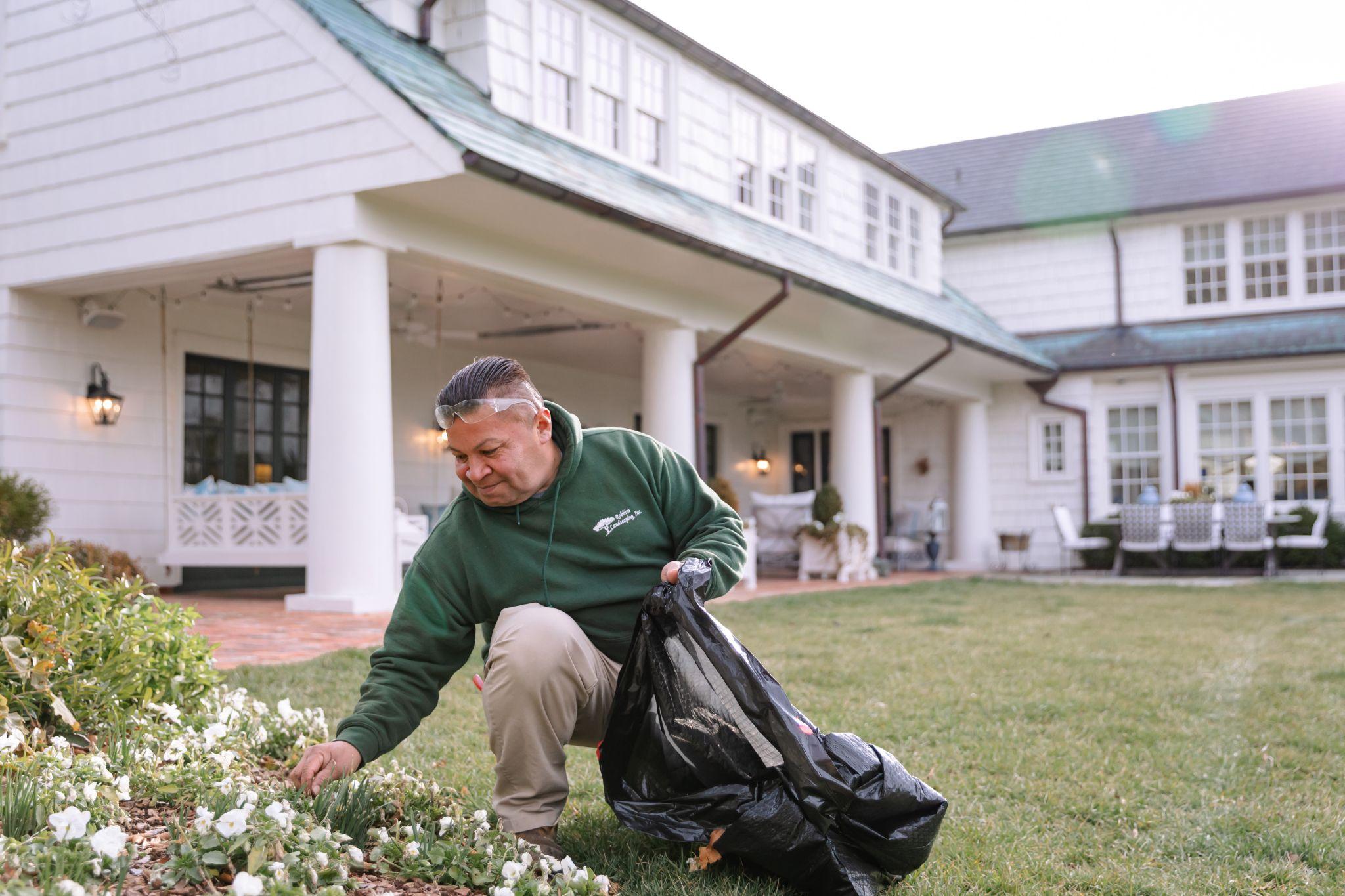
Waiting until weeds spread makes control harder and more disruptive. Early attention is calmer and more effective. Many DIY lawn care mistakes begin with the belief that weeds can wait, but that delay often becomes a larger lawn care problem, requiring more aggressive and costly solutions later in the season.
Walking your property edges regularly helps you catch small outbreaks early, which can be managed with minimal effort. Dense, healthy turf also limits weed growth by reducing the amount of exposed soil and competing for light and nutrients.
A steady weed management routine includes:
• Spot treating early growth using targeted applications to minimize chemical use
• Maintaining clean bed edges to prevent weeds from migrating into the lawn
• Supporting thick turf coverage through proper fertilization and watering practices
Staying ahead prevents issues that escalate quickly during peak growing months, saving time, effort, and money on extensive remediation.
6. Skipping Seasonal Cleanup

Leaves and debris left in place block sunlight and trap moisture. Over time, this encourages disease, weakens the grass, and causes thinning of the turf. Skipping cleanup is one of the simplest lawn care missteps to avoid.
Fall and spring cleanups are essential for protecting turf and planting beds through seasonal transitions. Beyond aesthetic appeal, clearing drainage paths also helps water move away from the home and foundation, significantly reducing future challenges related to moisture buildup and potential water damage.
Seasonal cleanup tasks include:
• Removing heavy leaf layers, twigs, and other accumulated debris
• Clearing drains and downspouts to ensure proper water runoff
• Refreshing mulch where needed to maintain soil moisture and discourage weeds
If you need more comprehensive residential maintenance support, visit our garden and maintenance page to explore our full-service options.
7. Pruning At The Wrong Time

Pruning without understanding plant timing can remove future blooms or stress plants before extreme temperatures. These issues show up months later and become recurring lawn care mistakes you may not be aware of.
Light corrective pruning done at the right time preserves structure and plant health.
Helpful pruning guidelines include:
• Pruning flowering shrubs after blooming
• Avoiding heavy cuts during heat or cold
• Removing dead or damaged growth first
Correct timing reduces errors that affect long-term appearance and safety.
8. Using Dull Or Improper Tools
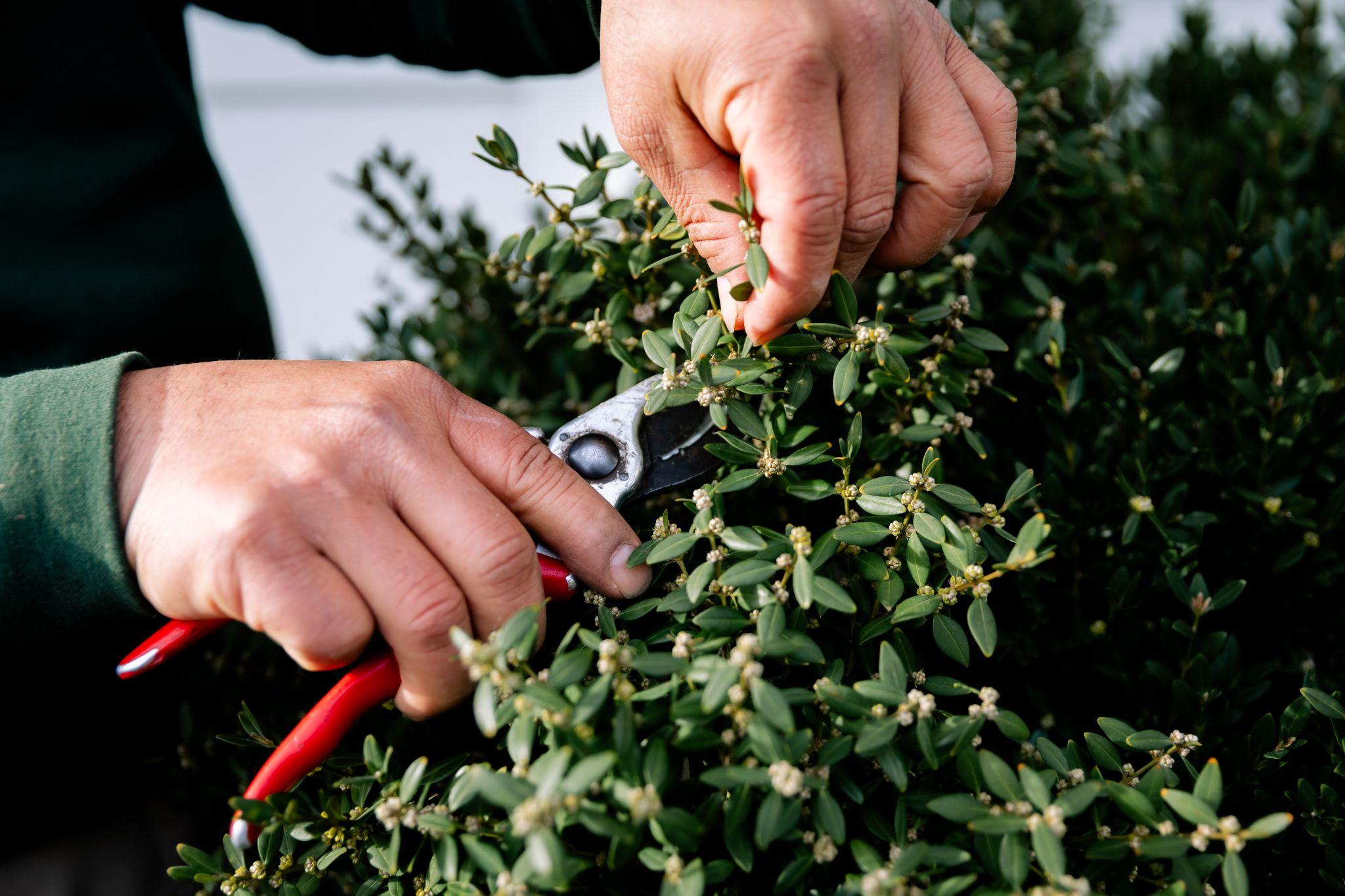
Tools directly affect results. Dull mower blades tear grass, leading to brown tips and disease. Poorly maintained pruners crush stems instead of making clean cuts, leaving plants vulnerable to pests and infection.
Regular tool maintenance protects turf and plants while making work easier and more efficient. Clean, sharp tools require less physical effort and speed up the completion of tasks.
Helpful habits include:
• Sharpening mower blades during the growing season to ensure a clean cut
• Cleaning tools after use to remove sap, soil, and debris, which prevents rust and the spread of pathogens
• Using the proper tool for each task, such as choosing bypass pruners for live wood and anvil pruners for dead wood
Small improvements here prevent repeated lawn care mistakes that lower overall quality and require costly repairs or replacements later on.
9. Taking On Complex Work Without Help
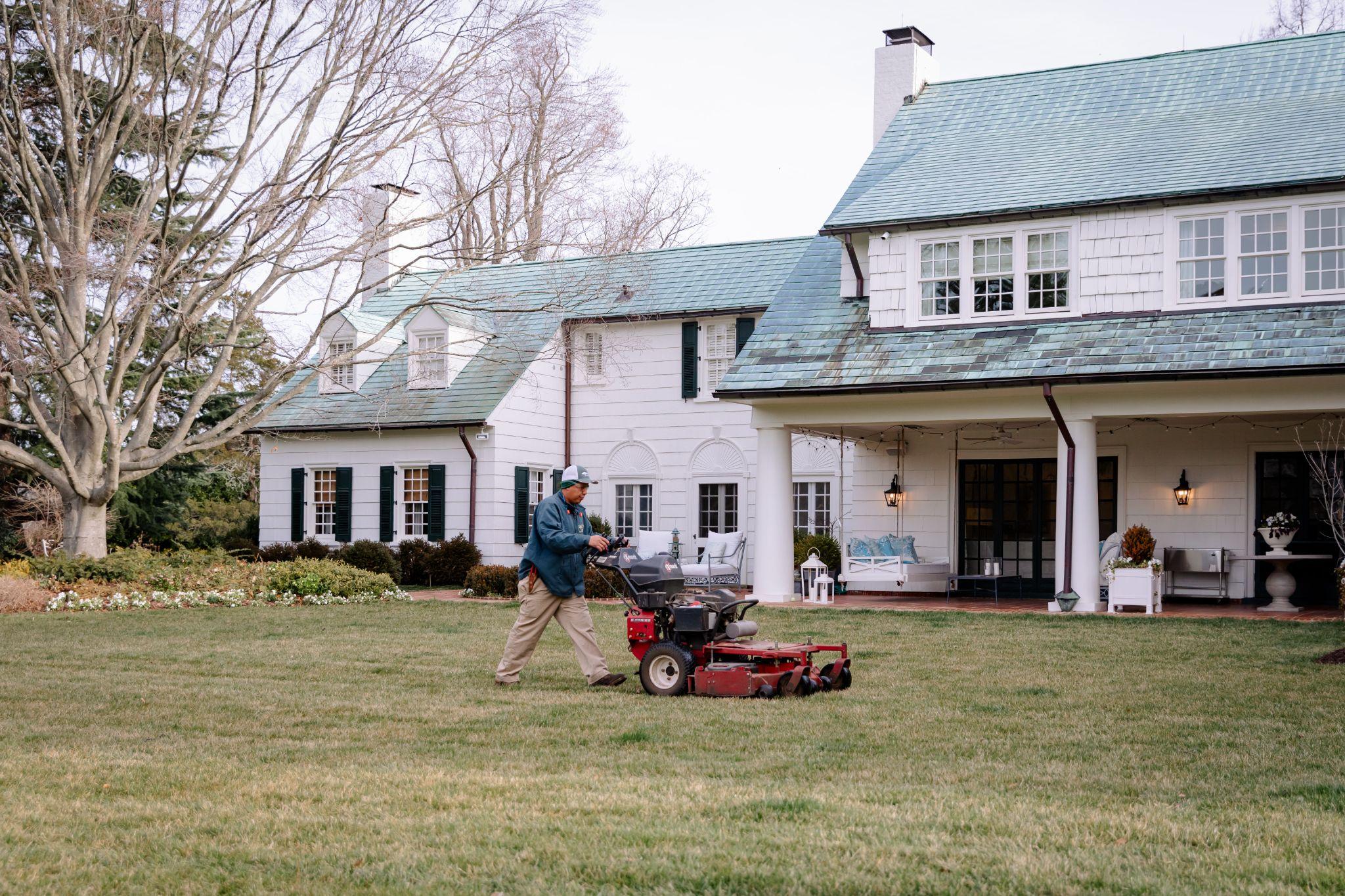
Drainage changes, grading, irrigation repairs, and large tree work involve real risk. Missteps affect foundations, slopes, and long-term plant stability. Many DIY lawn care mistakes stem from underestimating complexity and can become recurring lawn care-related missteps that are costly and time-consuming to correct.
Before starting a complex project, ask yourself:
• Could this affect drainage near the home, potentially leading to water pooling or foundation damage?
• Is safety involved, such as working at height or near any underground utility lines?
• Would mistakes be difficult or expensive to undo, necessitating professional intervention?
10. Inconsistent Maintenance
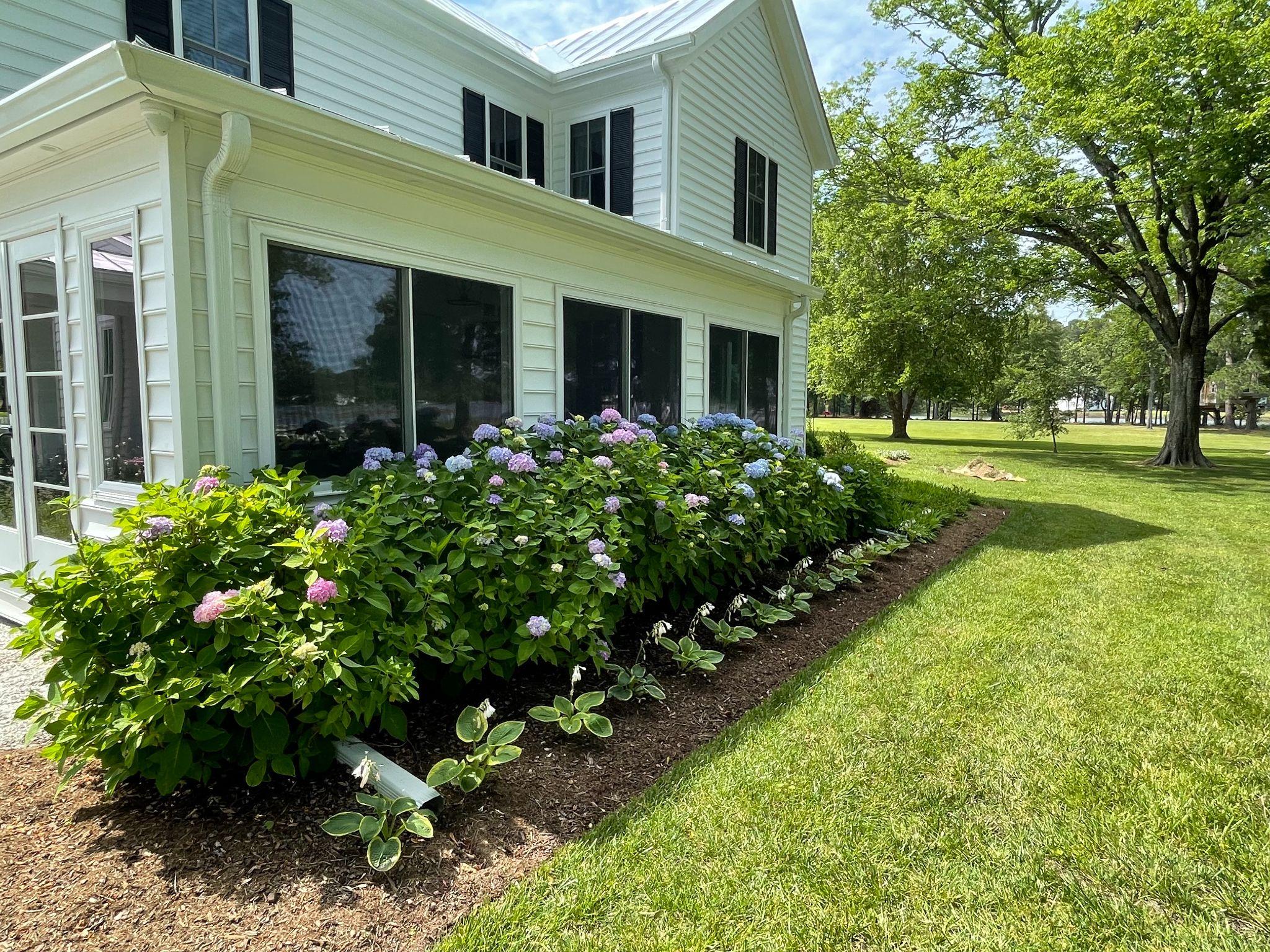
Inconsistent care creates cycles of catch-up. Mowing drifts, watering becomes irregular, and small issues compound. Over time, this leads to visible decline and ongoing lawn care mistakes, such as nutrient leaching, pest infestations, or fungal diseases that could have been prevented with regular maintenance.
A steady routine does not need to be rigid, just dependable. The key is consistent, proactive attention rather than reactive problem-solving.
A balanced rhythm includes
• Weekly mowing during active growth to maintain optimal grass height and density.
• Monthly irrigation checks to ensure proper water coverage and identify leaks or clogs.
• Seasonal cleanup reviews to manage thatch, aerate, and prepare the lawn for changing weather conditions.
A Steadier Approach To Property Care

Avoiding problems is less about perfection and more about attention. When you notice changes early and respond thoughtfully, your landscape stays manageable.
Correcting even a few habits reduces stress and prevents repeated lawn care mistakes that steal time and energy. Start with mowing height and watering, then build from there. If you want guidance that respects your home and your time, professional support is available when you are ready. You can also book a consultation to get personalized advice and strategies for a healthier lawn.
Summary
To maintain a healthy, resilient, and dependable outdoor space, particularly for high-end properties, homeowners should avoid ten common lawn care and landscaping mistakes. These errors include mowing the lawn too short (scalping), improper watering (too much or too little), and neglecting soil health through inadequate testing and aeration. Poor nutrient management, such as improper fertilization timing or dosage, can stress the turf, as can ignoring weed control until the issue is widespread. Furthermore, skipping essential seasonal cleanups and pruning plants at the wrong time can weaken plants and encourage disease. Technical mistakes include using dull or improper tools, which tears grass and spreads pathogens. Finally, underestimating the complexity of large projects like drainage changes and failing to maintain a steady, dependable routine lead to costly errors and landscape decline. Avoiding these pitfalls requires consistent, informed attention to detail, transforming the outdoor space from a burden into a valued extension of the home.
Tags: