

10 Essential Landscaping Maintenance Tips for Homeowners

When routine care starts slipping, even beautiful properties can feel stressful. Lawns lose their clean look. Beds collect weeds. Irrigation misses areas until damage becomes visible. These issues rarely show up all at once. They build slowly when regular attention gets crowded out by busy schedules.
Clear and realistic landscape care habits help prevent that buildup. The goal is not constant work. It is knowing what matters and when to act. When your property follows a rhythm, it becomes easier to manage and more enjoyable to use.
This guide shares ten practical landscaping maintenance tips designed for residential homeowners, estate properties, and high-end homes. Each one focuses on protecting your time, your investment, and your peace of mind.
For more on a complete guide to help you with challenges related to maintenance of your property, read our detailed blog.
Keep reading to build a routine you can rely on season after season.
1. Mow Your Lawn at the Right Height and Frequency
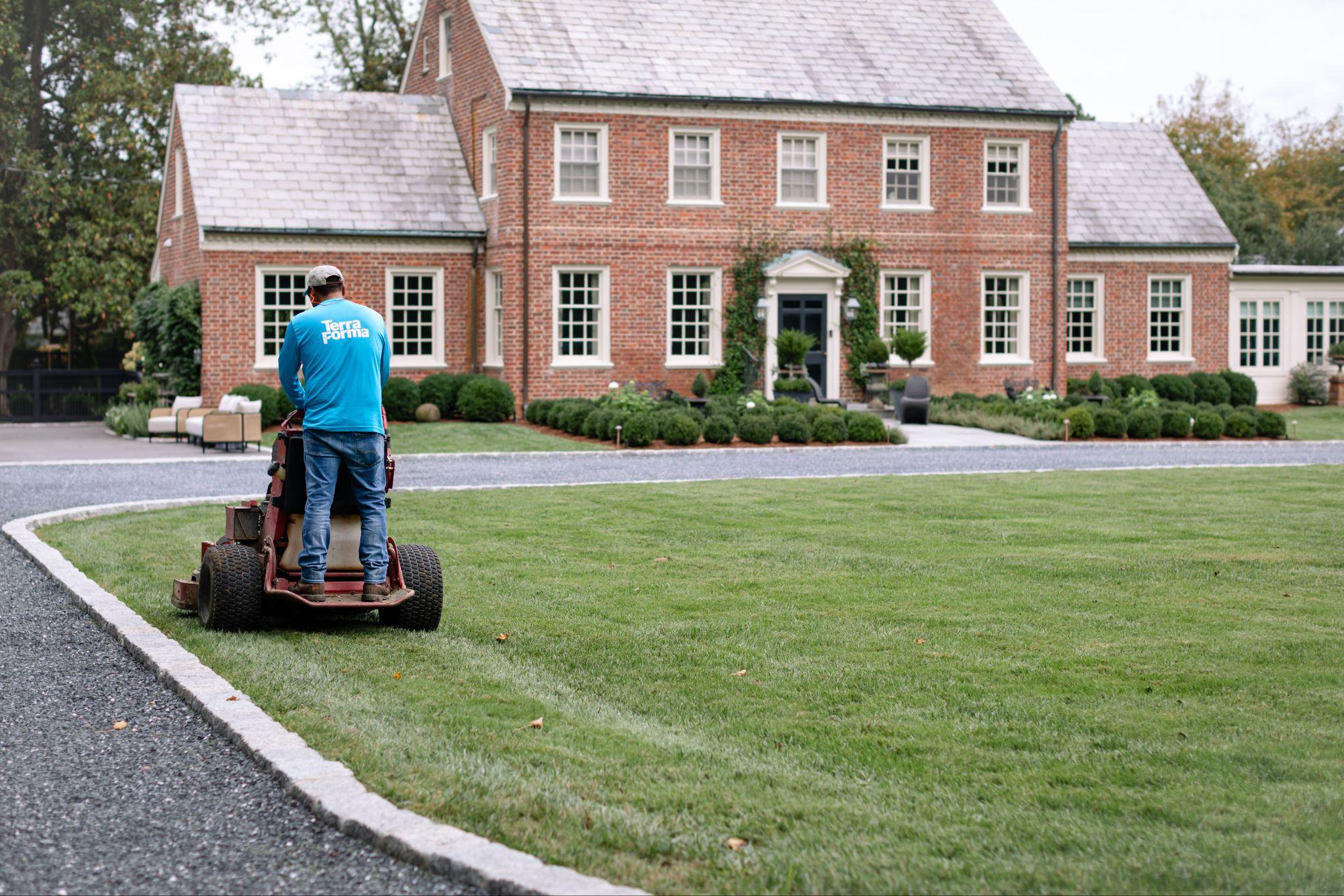
Mowing is one of the most visible parts of outdoor care, yet it is often rushed. Cutting grass too short weakens roots and leaves the turf vulnerable to weeds, pests, and disease. One of the most dependable lawn care tips is mowing with plant health in mind, promoting a resilient, vibrant lawn, rather than appearance alone.
A few consistent habits make a noticeable difference in the long-term health and look of your lawn.
- Set mower height based on grass type: Different grass varieties thrive at different heights. Taller fescues and bluegrasses benefit from being left longer (3-4 inches), while some warm-season grasses can be cut shorter. Consult a local guide to find the optimal setting for your lawn, as this encourages deeper root growth and helps shade out weeds.
- Remove only a portion of the blade at each cut: Follow the “one-third rule,” which means you should never remove more than one-third of the grass blade’s total height in a single mowing session. This prevents stressing the plant and encourages consistent, healthy growth.
- Adjust frequency during active growth: During periods of rapid growth (typically spring and early summer), you may need to mow more frequently to adhere to the one-third rule, sometimes every five to seven days. In hotter, drier periods or late fall, growth slows down, and you can reduce the frequency.
- Keep mower blades sharp: Dull blades tear the grass, leaving ragged edges that turn brown and make the lawn susceptible to disease. Sharp blades deliver a clean cut, helping the grass recover faster and maintaining a healthier, greener appearance.
- Change mowing patterns to avoid wear: Mowing the same pattern every time compresses the soil and causes the grass blades to lean in one direction, creating visible ruts or pathways. Varying the direction (e.g., North-South one week, East-West the next) helps the grass stand upright and distributes wear evenly across the lawn.
These home landscaping tips support deeper roots and more even color. Leaving fine clippings in place (known as grasscycling) can also return valuable nutrients, such as nitrogen, to the soil, improving turf density and reducing the need for chemical fertilizers and bagged waste.
After mowing, walk the property briefly for a final review. Check edges for a crisp, clean line, ensure no clippings were left on walkways or driveways, and check gates or latches to confirm they are secured. These small checks help maintain a polished, professional look without extra effort.
2. Water Your Lawn and Garden Deeply, Not Daily
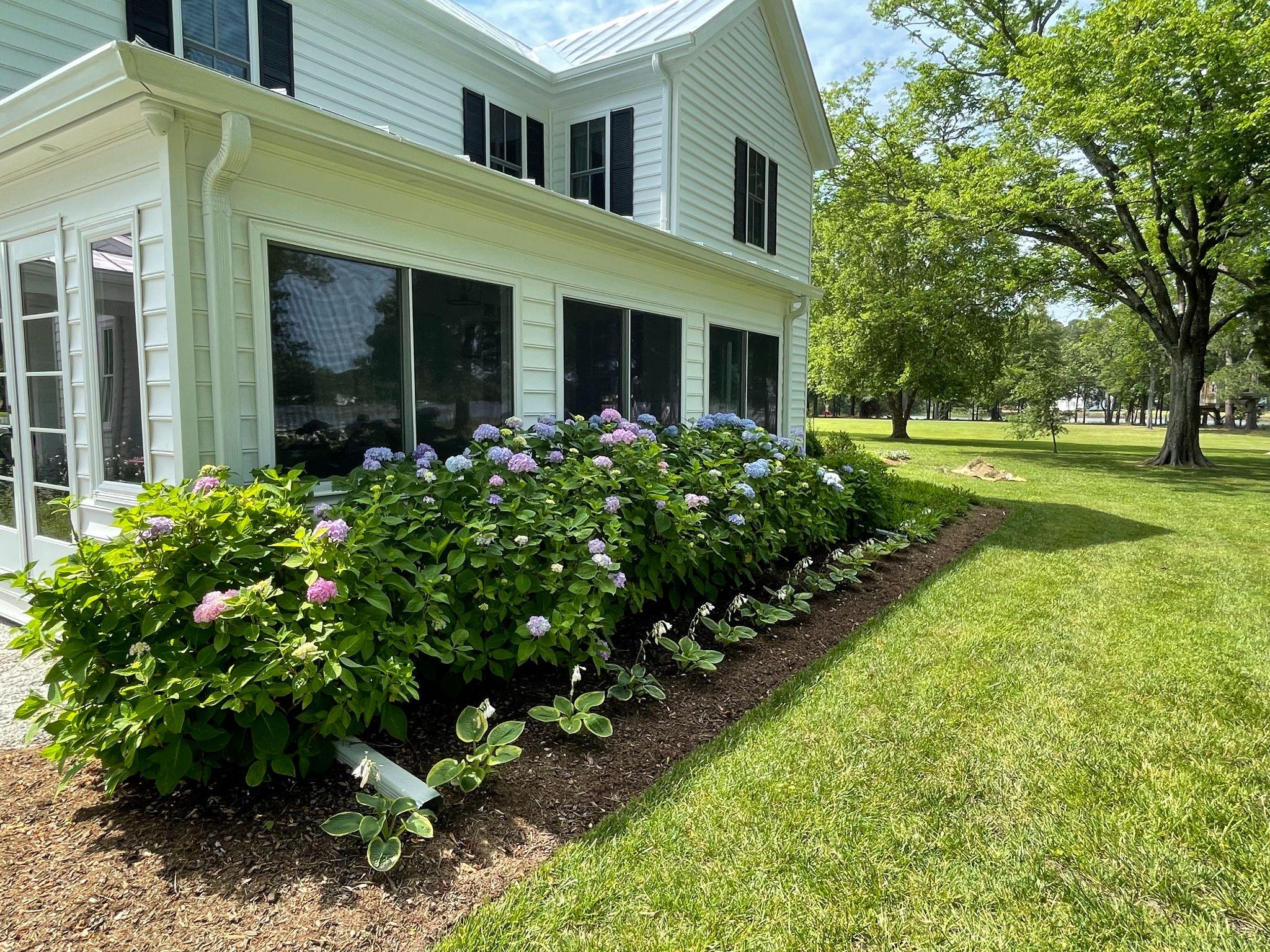
Daily watering often does more harm than good. It encourages shallow roots and uneven growth. One of the most effective yard maintenance tips is watering deeply and allowing the soil to dry slightly between cycles.
Use these guidelines to create balance.
• Water early in the morning
• Run zones long enough to reach roots
• Adjust timing based on sun exposure
• Use shorter cycles on slopes
• Check soil moisture before watering
These garden maintenance tips reduce plant stress and encourage healthier growth. Garden beds and containers usually need closer attention than turf. A simple soil check helps. If moisture is present several inches down, watering can wait. That habit saves time and supports stronger plants.
3. Fertilize Grass and Plants on a Proper Schedule
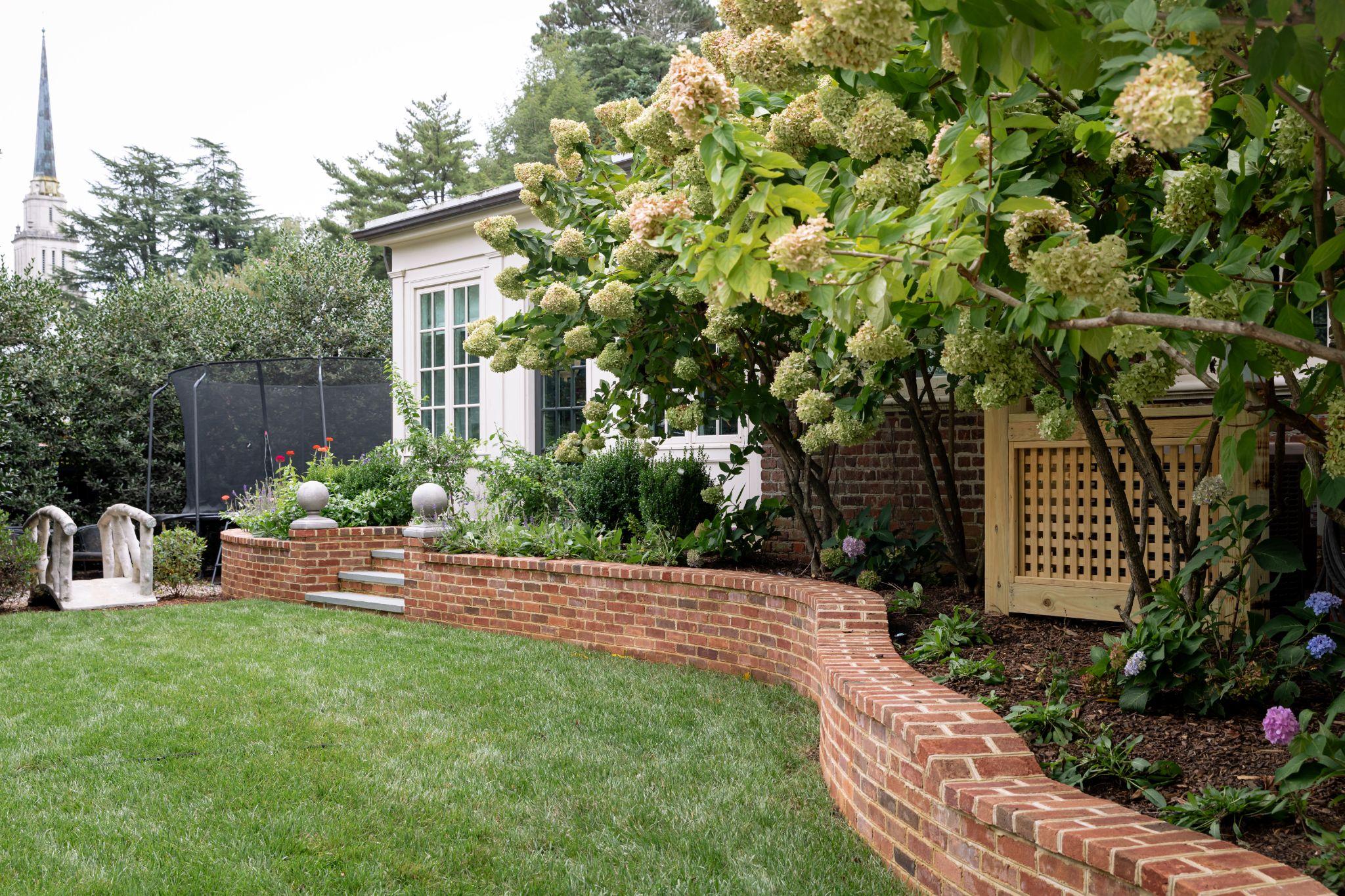
Fertilizer works best when timing matches plant needs. Applied too often or at the wrong moment, it can create weak growth, susceptibility to pests, and environmental run-off issues. One overlooked landscape care practice is feeding based on season and soil conditions, rather than a generic, fixed schedule.
Before applying fertilizer, consider the following.
- Test soil periodically to determine existing nutrient levels and pH. This ensures you only apply what is truly needed.
- Choose slow-release products. These deliver nutrients gradually over an extended period, reducing the risk of ‘burn’ and minimizing nutrient loss.
- Keep material off paved areas. Granules left on driveways or sidewalks are easily washed into storm drains, polluting local waterways.
- Water according to product guidance immediately after application to help the fertilizer settle into the root zone.
- Avoid application before heavy rain, as this will lead to nutrient wash-out and waste.
Lawns often benefit from spring and fall feeding, corresponding to peak growth and preparation for dormancy, while shrubs and flowering plants respond best when nutrients align with their specific growth cycles, such as bud break or post-bloom. Keeping a simple log of applications helps guide future decisions, allowing you to track product use and observed results.
4. Prune Trees and Shrubs at the Correct Times
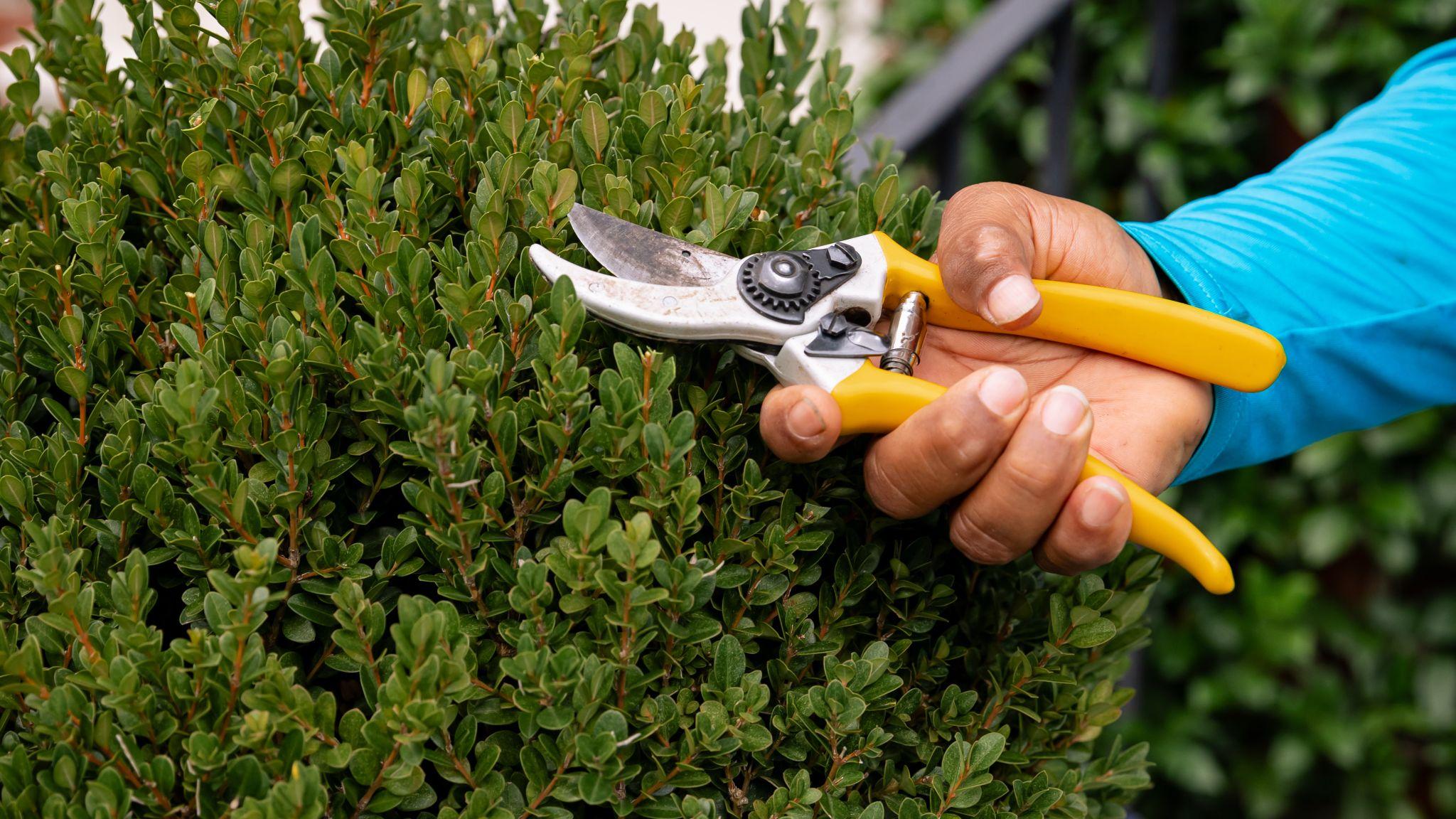
Pruning supports structure, safety, and long-term health. One of the most valuable landscaping maintenance tips is pruning at the correct time rather than focusing on heavy cuts.
Basic guidelines include:
• Remove dead or damaged branches first
• Prune spring-flowering shrubs after bloom
• Prune summer bloomers before growth starts
• Thin crowded branches to improve airflow
• Maintain natural plant shapes
Large trees require thoughtful evaluation. Limbs near roofs or walkways should be assessed carefully. When uncertain, waiting is often the safer choice.
5. Mulch and Weed Your Garden Beds Regularly
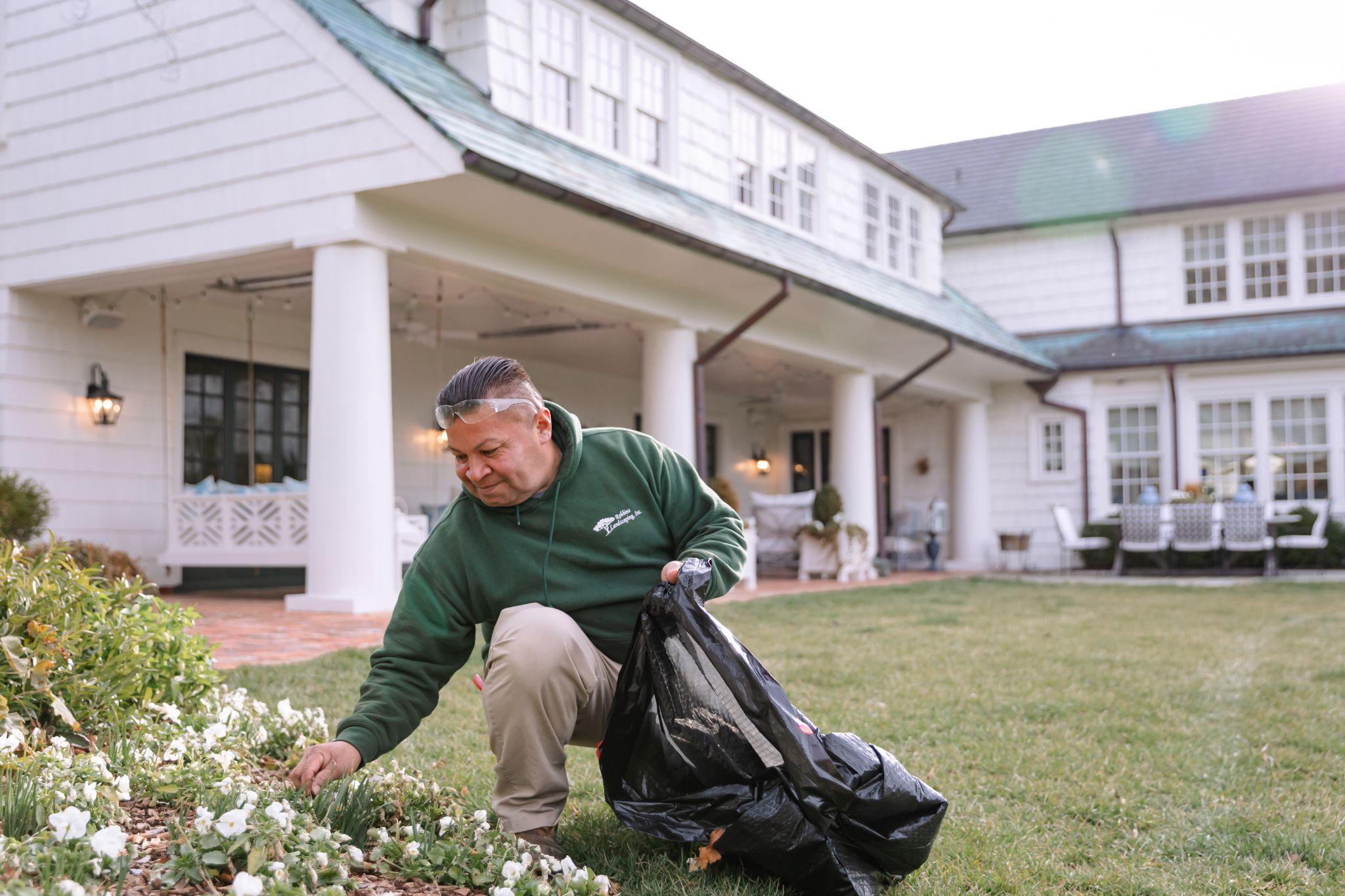
Mulch helps regulate soil moisture, insulate roots from temperature extremes, and significantly limits weed growth by blocking sunlight. One steady garden maintenance habit is keeping mulch depth consistent throughout the year, typically aiming for 2-4 inches, to maximize these benefits.
Helpful practices include:
- Maintain even mulch coverage to ensure uniform moisture retention and weed suppression across all beds.
- Keep mulch away from trunks and stems (creating a “doughnut” shape, not a “volcano”) to prevent moisture buildup that can lead to rot and pest infestation. Be sure to clean the bed around it out before you mulch!
- Edge beds to hold material in place using a spade, plastic, metal, or stone border to prevent mulch from washing or blowing out of the planting area.
- Remove weeds while small before they can establish deep roots, spread seeds, or compete with desirable plants for nutrients and water.
Weed control methods vary depending on the gardener’s preference and the specific environment. Some homeowners prefer herbicides or chemical options for quick and comprehensive control. Others choose hand weeding or more natural approaches like horticultural vinegar or flame weeding. Each has distinct benefits regarding effectiveness, environmental impact, and labor intensity. Terra Forma supports either approach, ensuring a weed control plan that aligns with your philosophy. Weed prevention is customized to your property and your preferences, so care is handled the way you want it done.
Short weekly checks of your garden beds prevent weed buildup, address minor issues quickly, and keep beds looking neat and healthy throughout the season.
6. Keep Lawns Clean of Leaves and Debris

Leaves and debris left on turf can block light and trap moisture. One simple yard maintenance tip is staying ahead of buildup, especially during the fall.
Focus on these tasks:
• Remove heavy leaf cover promptly
• Mulch light debris into turf when appropriate
• Clear branches and pinecones
• Keep drainage paths open
• Maintain clean walkways
These yard maintenance tips are easier when handled in sections. Start with visible areas and work outward. Hidden corners often collect debris and deserve attention as well.
7. Inspect Your Irrigation System for Optimal Performance
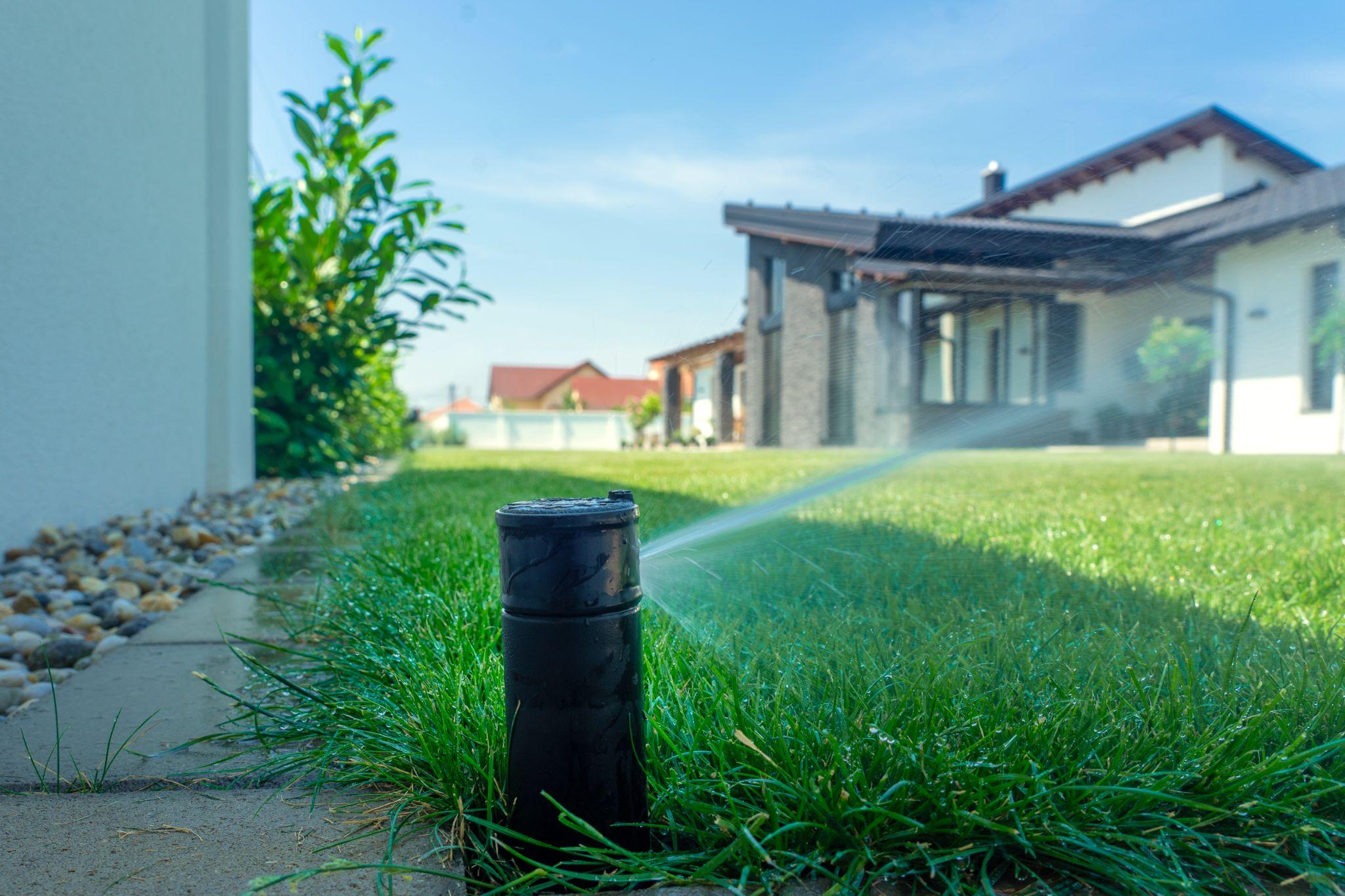
Irrigation systems often run unnoticed until a problem appears. One practical landscape care routine is watching your system operate and checking coverage. This simple act of observation, performed periodically, can catch minor issues before they escalate into major water waste or damage to your landscape.
During inspections, look for:
- Uneven spray patterns: This indicates a potential issue with water pressure, a partially clogged nozzle, or a misaligned sprinkler head.
- Clogged or broken nozzles: A clogged nozzle prevents water from being delivered, while a broken one can cause geysering or misting, both of which waste water.
- Pooling or leaks: Standing water or saturated ground near sprinkler heads or along the lines suggests a leak in the system or excessive water application in that zone.
- Dry strips between zones: These areas, often missed by overlapping spray, indicate inadequate coverage and can lead to stressed, brown turf or plants.
- Overspray on structures: Water hitting sidewalks, driveways, or building walls is not only wasteful but can also cause damage or mildew growth over time.
Keeping notes on zones and adjustments saves time later by creating a historical record of system performance and necessary repairs. Seasonal startup and winter preparation help prevent unexpected issues, such as busted pipes from freezing water or components failing due to lack of maintenance.
8. Watch for Pests or Disease and Address Promptly
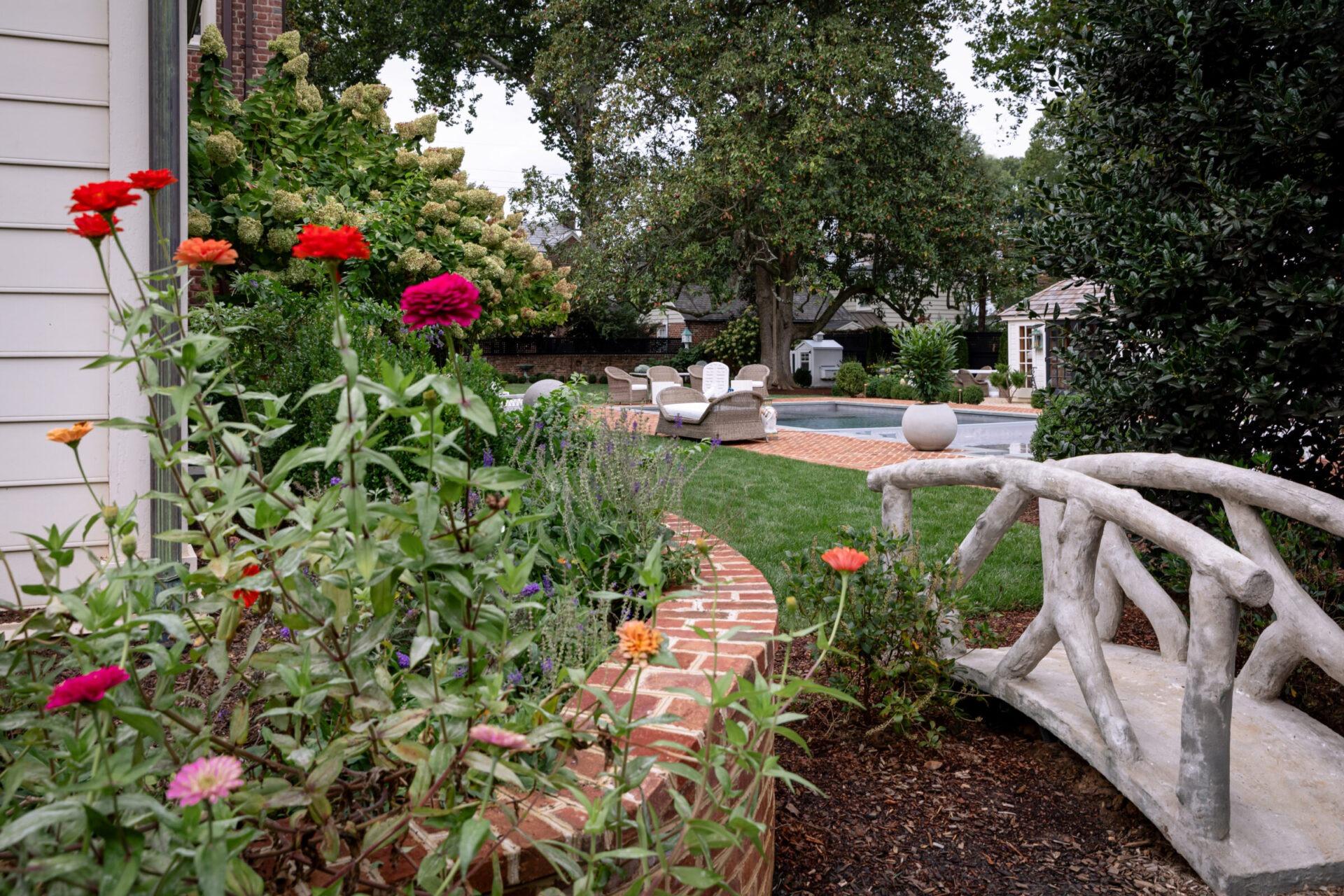
Most landscape issues start small. Early awareness is one of the most effective property care habits you can develop.
Add these checks to your routine:
• Inspect leaves and stems weekly
• Look under foliage for insects
• Watch for discoloration or spotting
• Note patterns tied to irrigation
• Remove affected material promptly
Start with basic adjustments such as improving airflow or modifying watering habits. If issues continue, professional guidance can help identify next steps.
9. Adjust Maintenance Practices Each Season
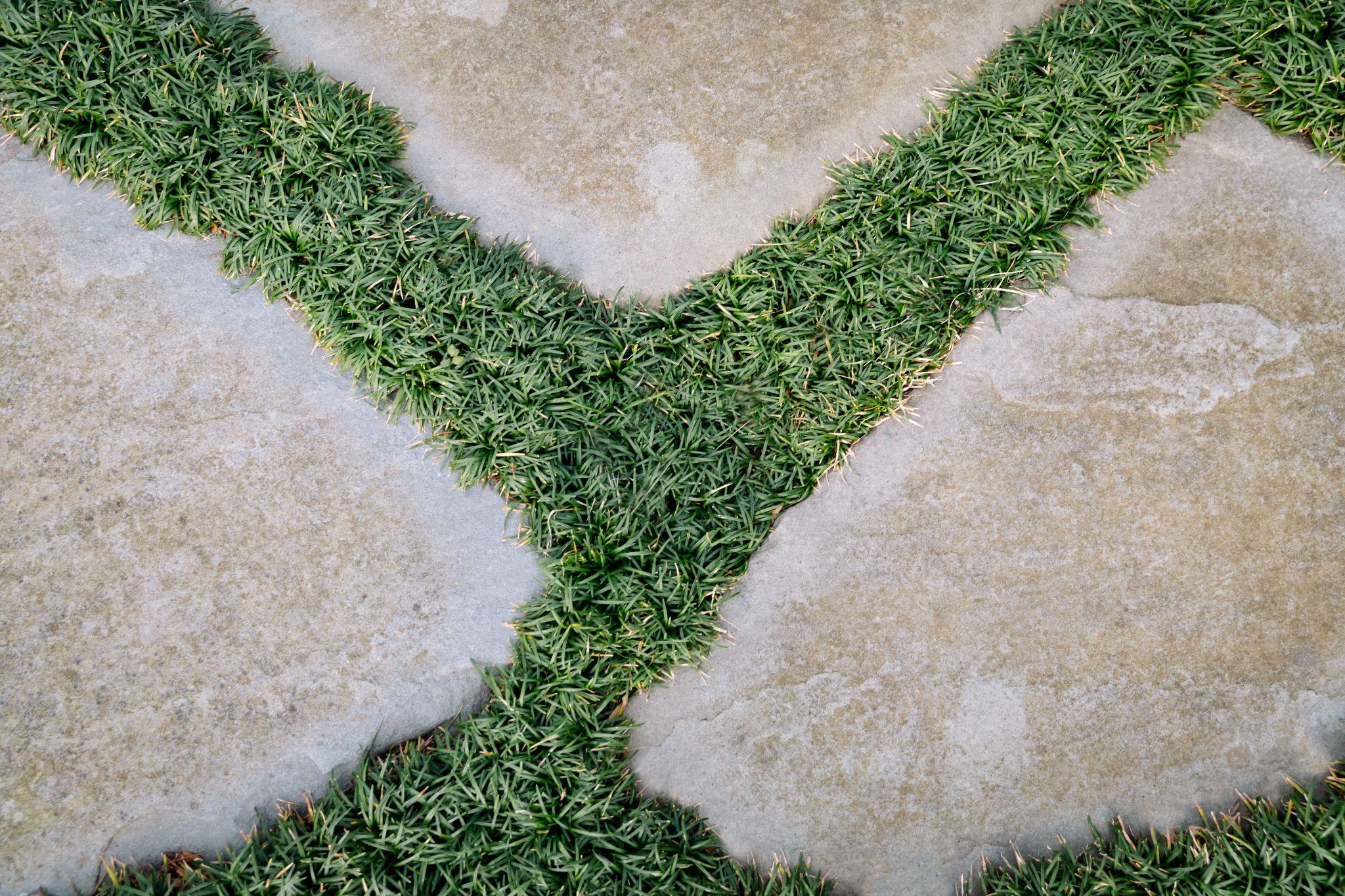
Landscapes change throughout the year. A simple landscaping maintenance checklist using seasonal landscaping tips helps you adjust care as conditions shift.
Seasonal focus areas include:
Spring
• Bed cleanup: Remove winter debris, dead foliage, and fallen branches to prepare beds for new growth.
• Irrigation checks: Test and calibrate sprinkler systems to ensure optimal coverage and efficient water use as temperatures rise.
• Gradual mowing startup: Begin mowing at a moderate height, gradually reducing it to the desired level as the lawn actively starts growing.
Summer
• Higher mowing height: Maintain grass at a higher setting to shade the roots, conserve moisture, and improve drought resistance.
• Deep watering: Water less frequently but for longer durations to encourage deep root growth, making plants more resilient to heat.
• Stress monitoring: Regularly check plants and turf for signs of heat stress, pests, or disease, addressing issues promptly.
Fall
• Leaf control: Manage and remove fallen leaves to prevent them from smothering the lawn and breeding disease. Consider mulching them back into the lawn.
• Reduced watering: As temperatures cool and plant growth slows, gradually decrease the frequency and duration of irrigation.
• Planning dormant pruning: Identify trees and shrubs that require pruning during their winter dormancy to improve structure and health.
Winter
• Irrigation protection: Winterize sprinkler systems by shutting off the water supply and blowing out the lines to prevent freeze damage.
• Storm damage checks: After heavy snow, ice, or wind events, inspect property for fallen limbs, damaged plants, or structural issues.
• Planning improvements: Use the dormant season to assess the landscape’s performance and plan for new plantings, hardscape projects, or enhancements for the coming year.
10. Consider Professional Help for Complex Tasks
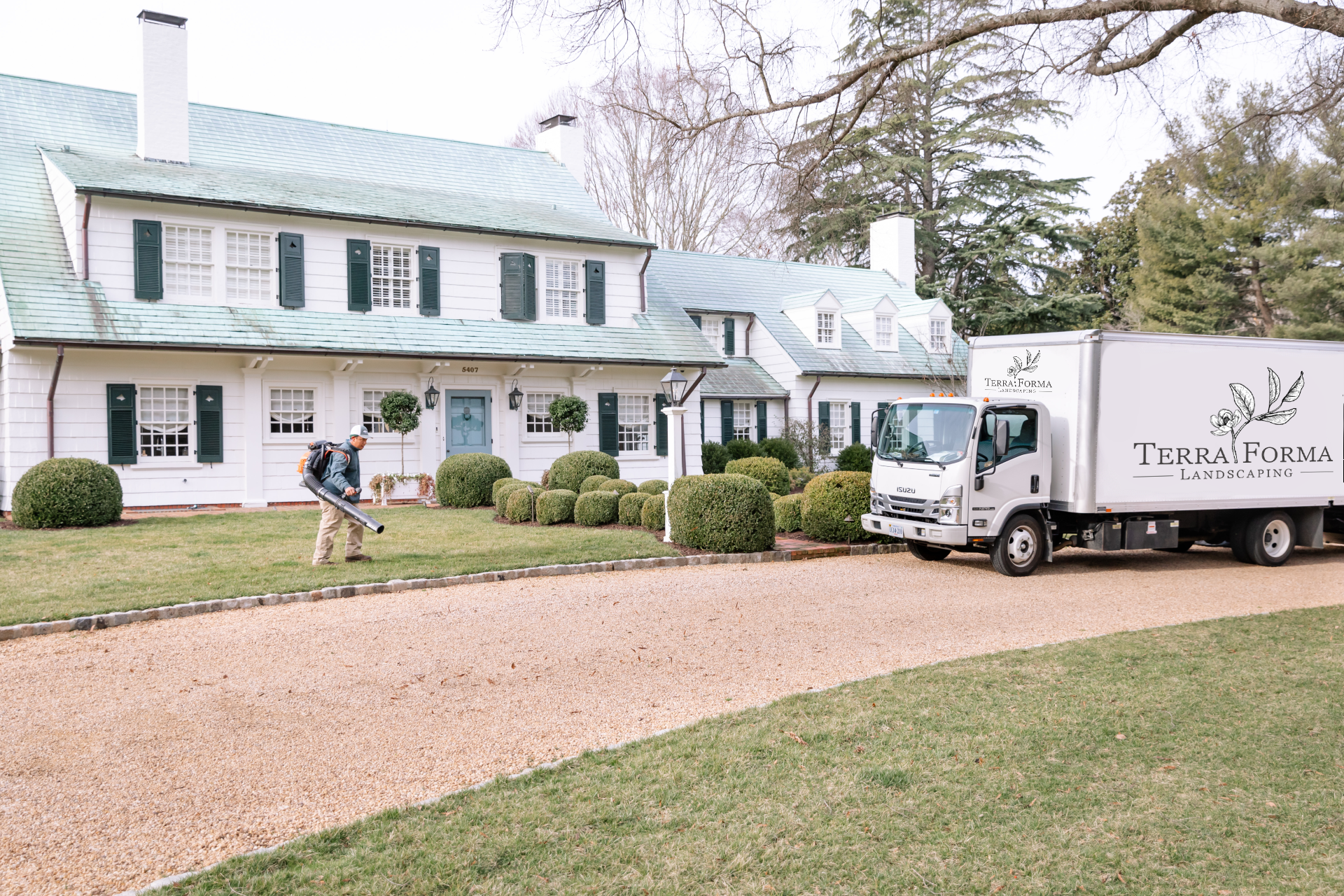
Larger properties require coordination. One often overlooked landscaping maintenance tip is knowing when help brings peace of mind.
Professional coordination supports:
• Consistent scheduling
• Seasonal transitions
• Irrigation oversight
• Plant health monitoring
• Clear communication
A trusted partner simplifies care. For ongoing support options, visit our residential maintenance page to learn more about our coordinated maintenance.
Your outdoor space should feel cared for without adding stress.
A Simple Routine That Protects Your Property
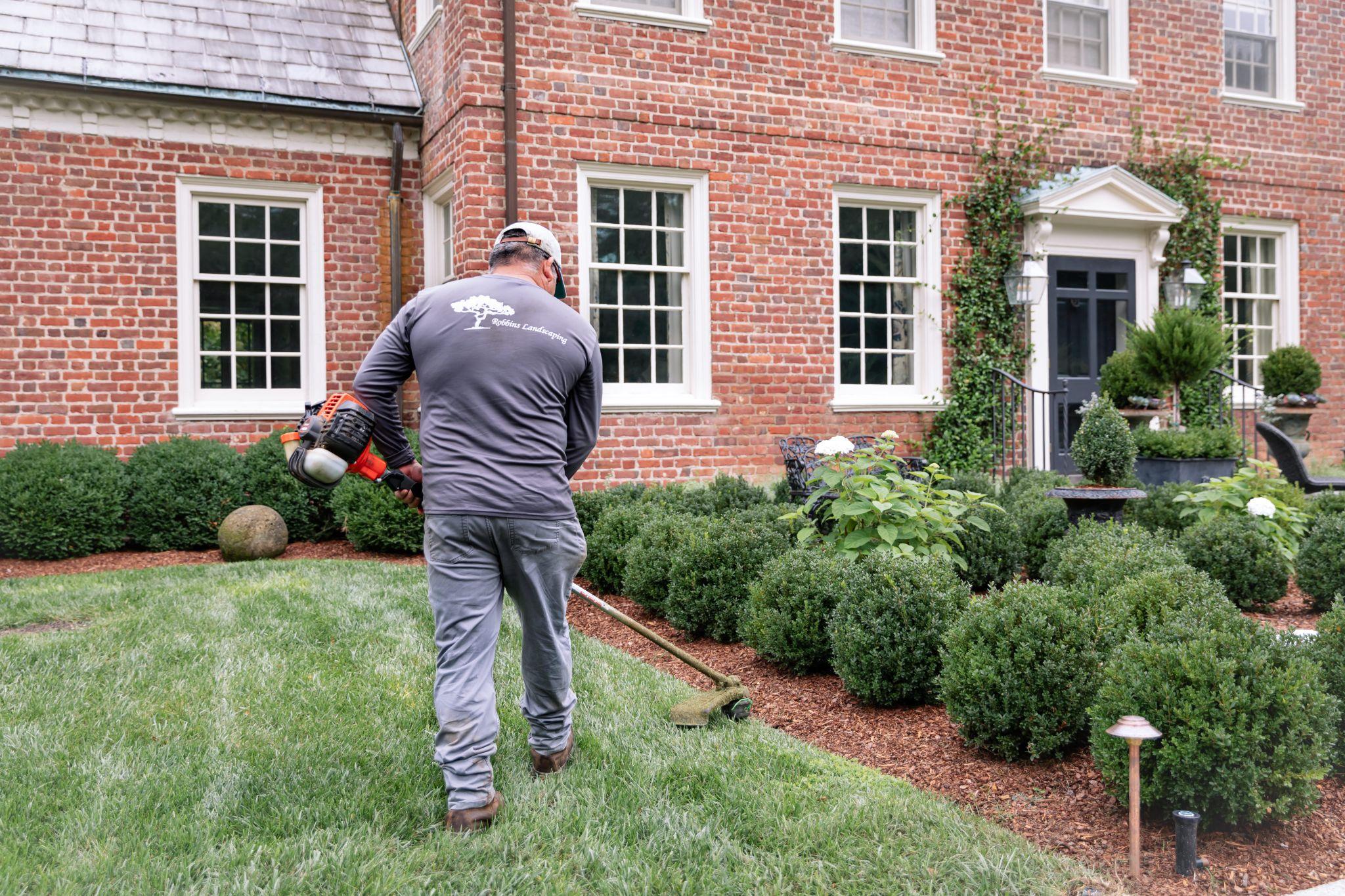
Consistency builds confidence and ensures long-term vitality. These landscaping maintenance tips work because they focus on steady, proactive habits like regular watering and pruning rather than waiting for reactive fixes to crises. When care follows a predictable plan, your landscape remains consistently healthy, beautiful, and always ready to enjoy.
If you want a detailed, personalized routine tailored specifically to your property’s unique needs, you can book a consultation with one of our specialists.
Summary
This guide offers ten essential landscaping maintenance tips for homeowners, focusing on proactive habits to protect your investment and maintain peace of mind.
Key practices include correct mowing (one-third rule) and deep, infrequent watering. Fertilize based on soil tests with slow-release products. Prune correctly, removing dead material first. Maintain a 2-4 inch layer of mulch away from trunks for moisture and weed control. Promptly remove leaves and debris. Regularly inspect your irrigation system for issues. Develop a weekly habit of checking plants for pests or disease. Adjust practices seasonally. Be ready to hire a professional for complex tasks.
A simple, predictable routine based on these ten proactive steps ensures a healthy, beautiful, and consistently enjoyable landscape.
Tags: