Top 15 Landscaping And Yard Maintenance Questions Answered
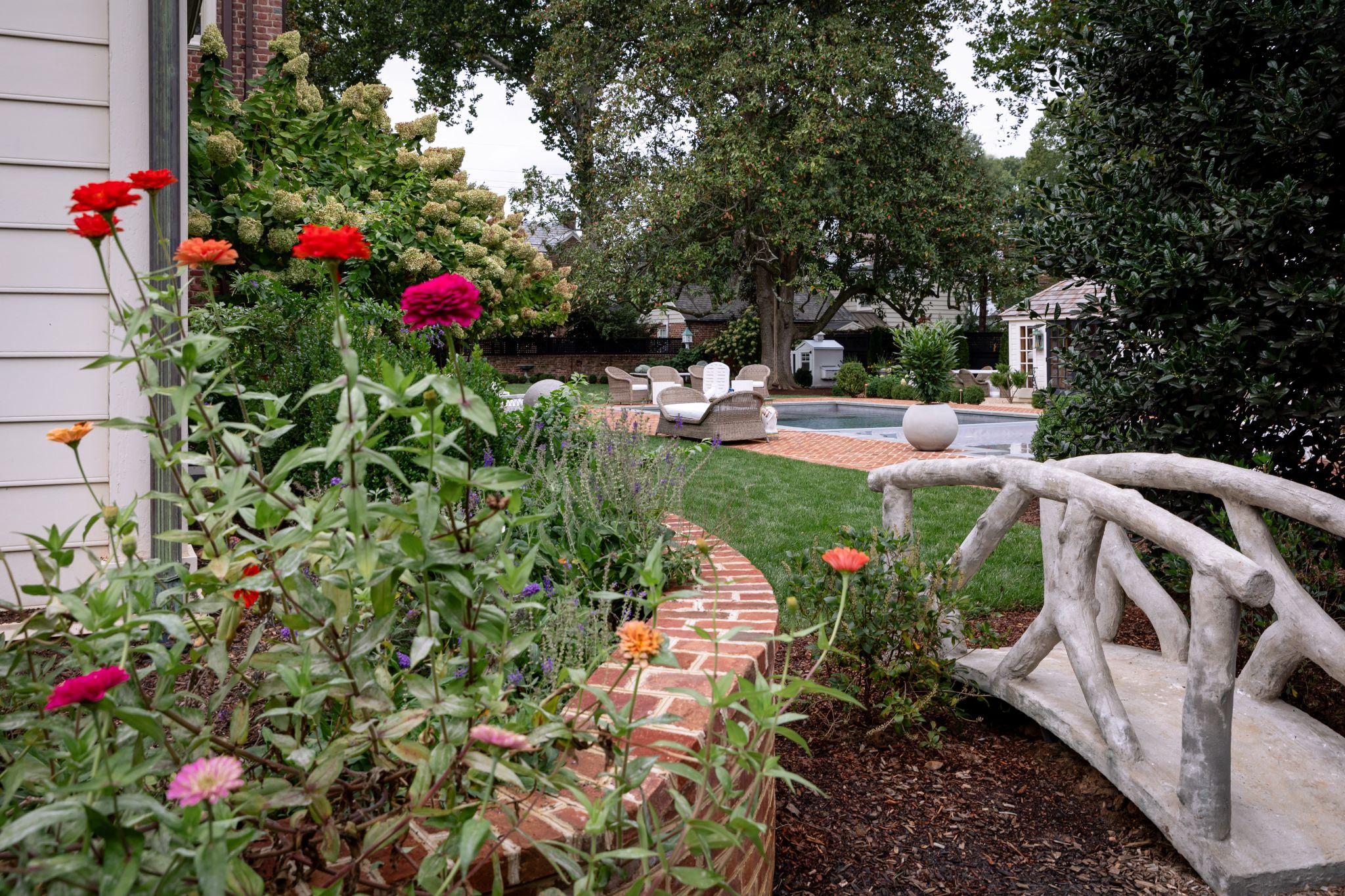
Your property is an extension of your home, not just a yard you see from the window. When maintenance slips, stress follows. Lawns thin out. Beds lose shape. Drainage issues appear. You want clear answers you can trust without sales pressure or confusing advice. This guide addresses common landscaping questions homeowners ask when caring for high-end residential and estate properties. Checkout our Complete Guide for Homeowners on Residential Property Maintenance. You get straightforward guidance that respects your time, your property, and your long-term goals. This resource helps you make informed decisions while keeping your outdoor spaces healthy and well cared for.
What Are Some Low-Maintenance Landscaping Ideas For My Yard?
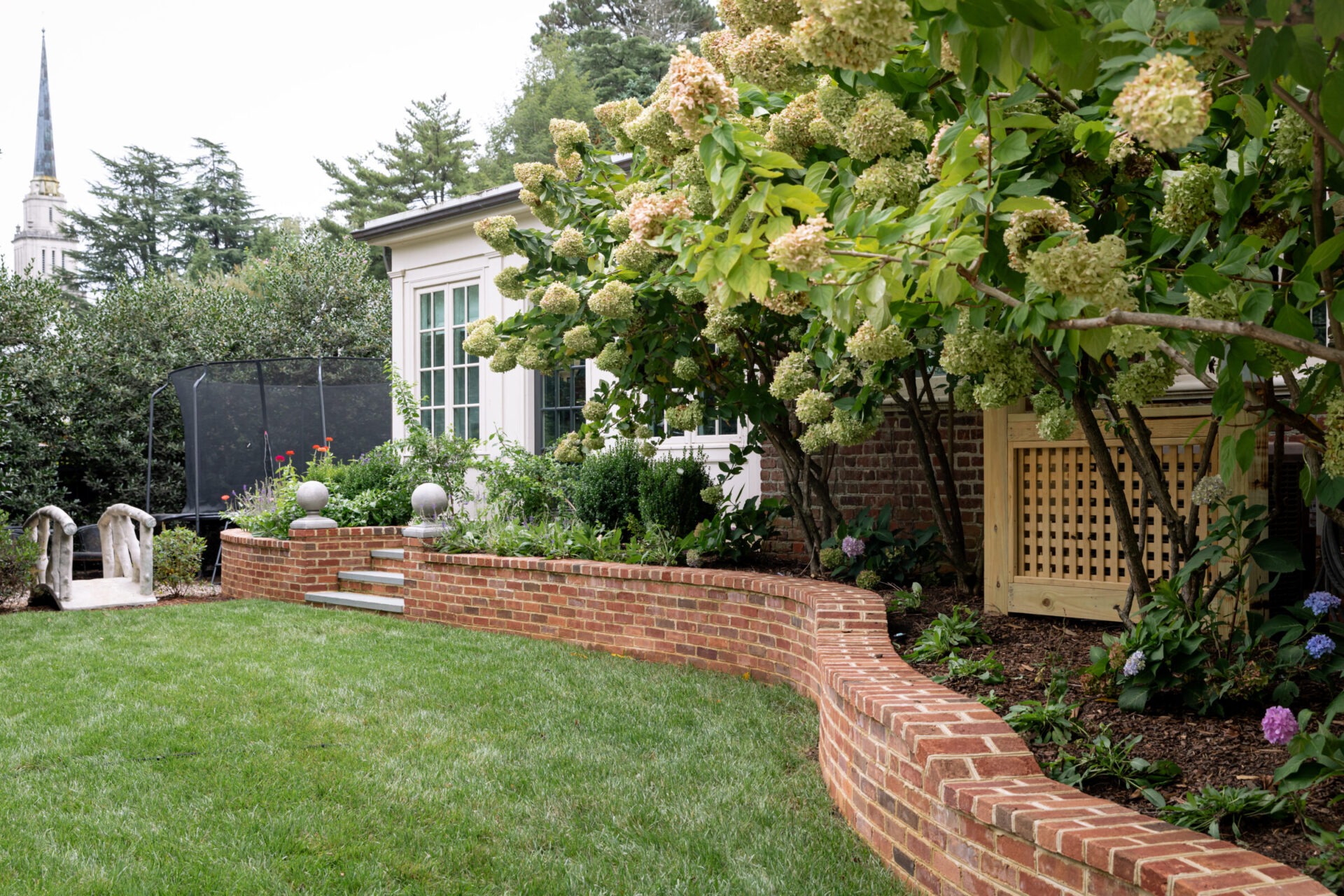
Low maintenance landscaping focuses on smart planning rather than constant upkeep. You benefit from selecting plants suited to your local climate and soil. Native shrubs, ornamental grasses, and perennial groundcovers reduce watering and pruning needs. Mulched beds hold moisture and limit weeds. Simple bed lines and fewer plant varieties make maintenance predictable and clean. This approach keeps your yard refined without demanding weekly attention.
How Can I Maintain My Lawn And Garden Organically (Without Chemicals)?
Organic lawn care relies on soil health and consistent habits. You improve results by mowing correctly, watering deeply but less often, and feeding the soil with natural amendments. Compost topdressing supports beneficial microbes. Aeration helps roots access air and nutrients. Over time, organic lawn care builds resilience so your turf handles stress better without relying on synthetic products.
Should I Bag My Grass Clippings Or Leave Them On The Lawn?
Both options have value depending on conditions.
Leaving clippings:
• Returns nutrients to the soil
• Helps retain moisture
• Reduces waste
Bagging clippings:
• Keeps lawns tidy during heavy growth
• Helps when grass is wet or overgrown
As long as clippings are finely mulched, they naturally fertilize your lawn and do not cause thatch buildup.
When Is The Best Time To Overseed (Reseed) My Lawn?
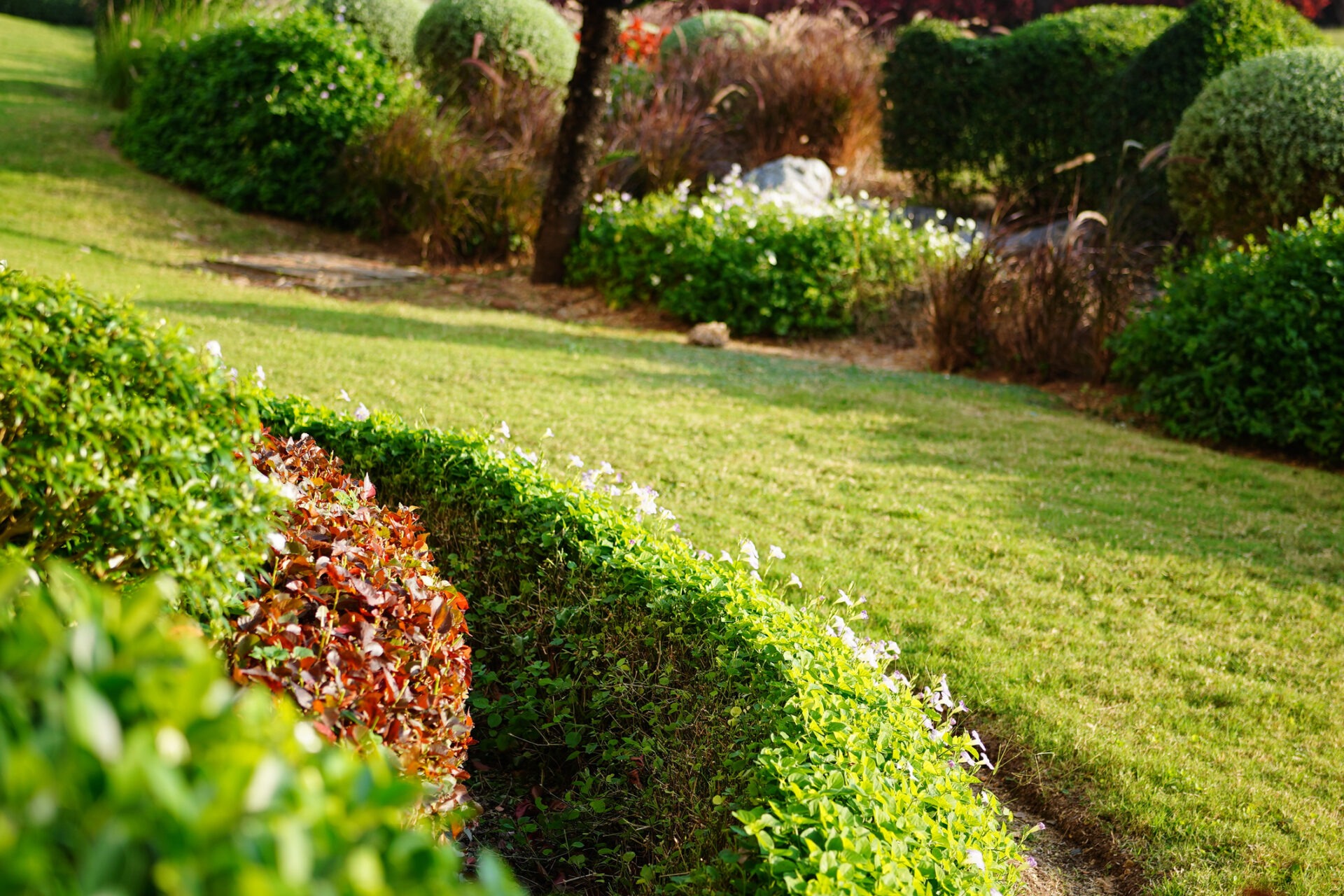
The best time to overseed lawn areas depends on grass type, but early fall works best for most cool-season lawns. Soil temperatures remain warm while air temperatures cool. This reduces stress on young seedlings and limits weed competition. Spring overseeding can help thin areas, but fall delivers stronger, longer-lasting results.
Do I Need To Dethatch My Lawn, And How Often?
Thatch is a layer of organic debris between soil and grass blades. A thin layer protects turf, but excess blocks water and nutrients. You should dethatch only when buildup exceeds half an inch. Most lawns need it every few years, not annually. Proper mowing and soil health reduce the need over time.
How Can I Improve Drainage In My Yard To Prevent Puddles And Soft Spots?
Poor yard drainage leads to muddy areas and turf decline. You can improve conditions by regrading low spots, installing subsurface drainage, or redirecting downspouts. Soil amendments may also help compacted areas drain better. Addressing yard drainage early protects both your landscape and nearby structures.
How Do I Restore An Overgrown Or Neglected Yard?
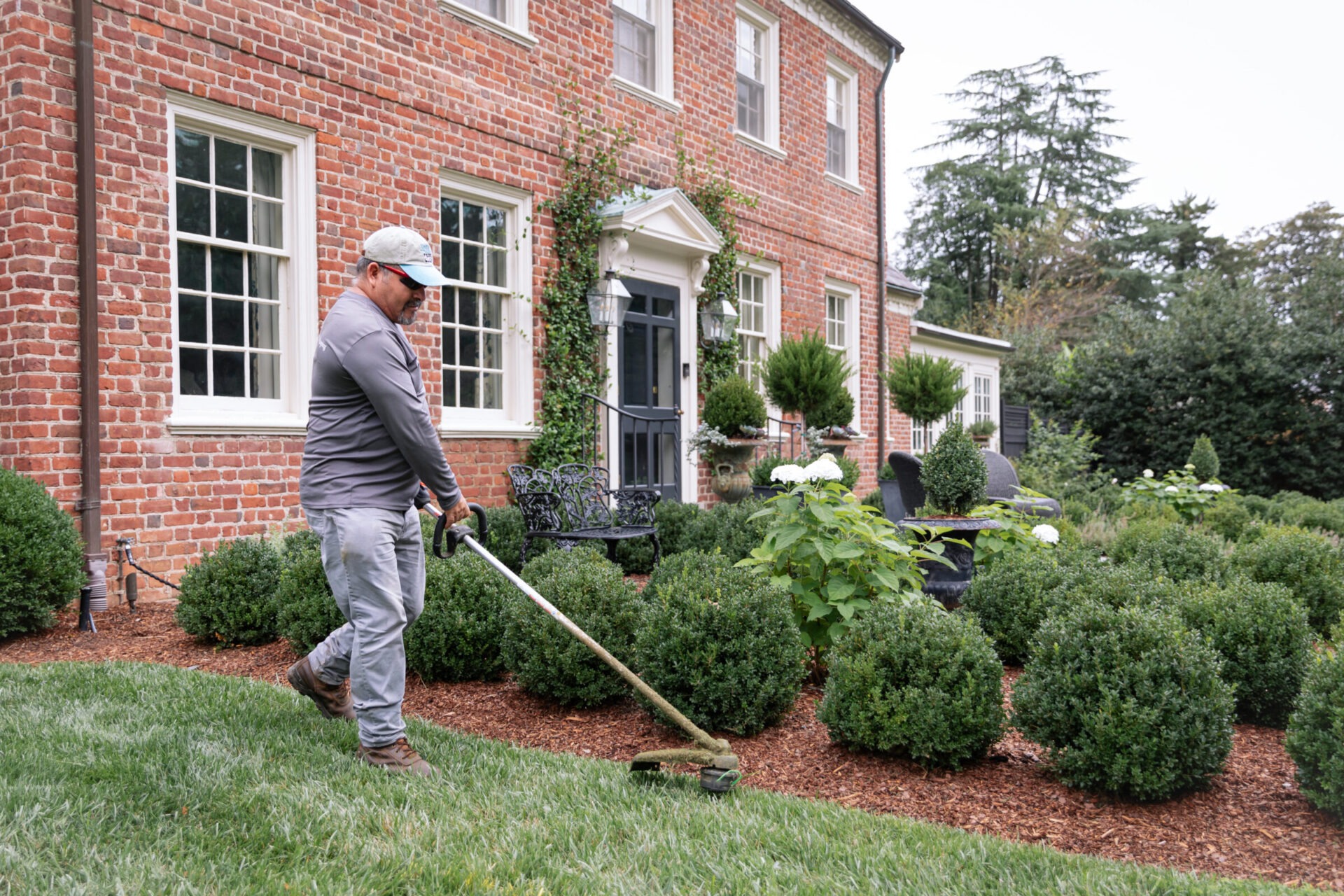
Start by clearing debris and identifying plants worth saving. Kill all the weeds in your garden and renovate the whole lawn as needed. Fall is a great time to do this because weed growth will have slowed down.
Should I Rake Fallen Leaves Or Can I Leave Them On My Lawn?
You do not always need to remove leaves. Light layers can be mulched into the lawn, adding organic matter. Thick piles should be cleared to prevent suffocation and disease. Mulching leaves into beds also improves soil structure and reduces waste.
How Do I Choose A Reliable Landscaping Maintenance Service?
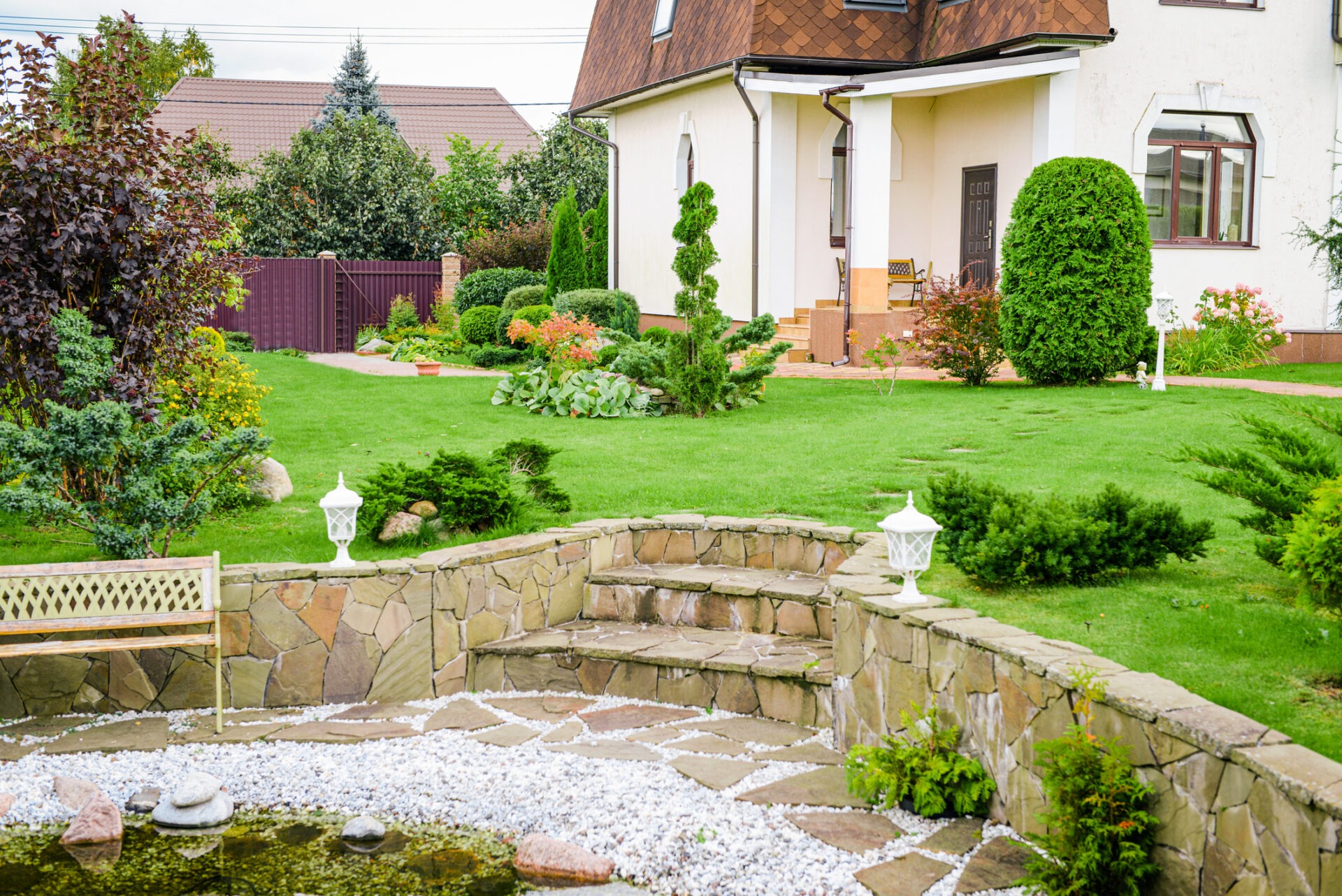
Trust matters when someone cares for your property. Look for consistency, clear communication, and respect for your home. Reliable providers follow through on commitments and focus on long-term care, not shortcuts. A strong relationship grows over time and keeps your property looking its best year after year.
How Can I Identify And Treat Common Lawn Diseases Or Fungus?
Discolored patches, thinning turf, and unusual patterns often signal disease. Proper mowing height, balanced watering, and good airflow prevent many issues. Early identification limits spread. Healthy soil and correct maintenance reduce reliance on reactive treatments.
What Height Should I Mow My Grass For A Healthy Lawn?
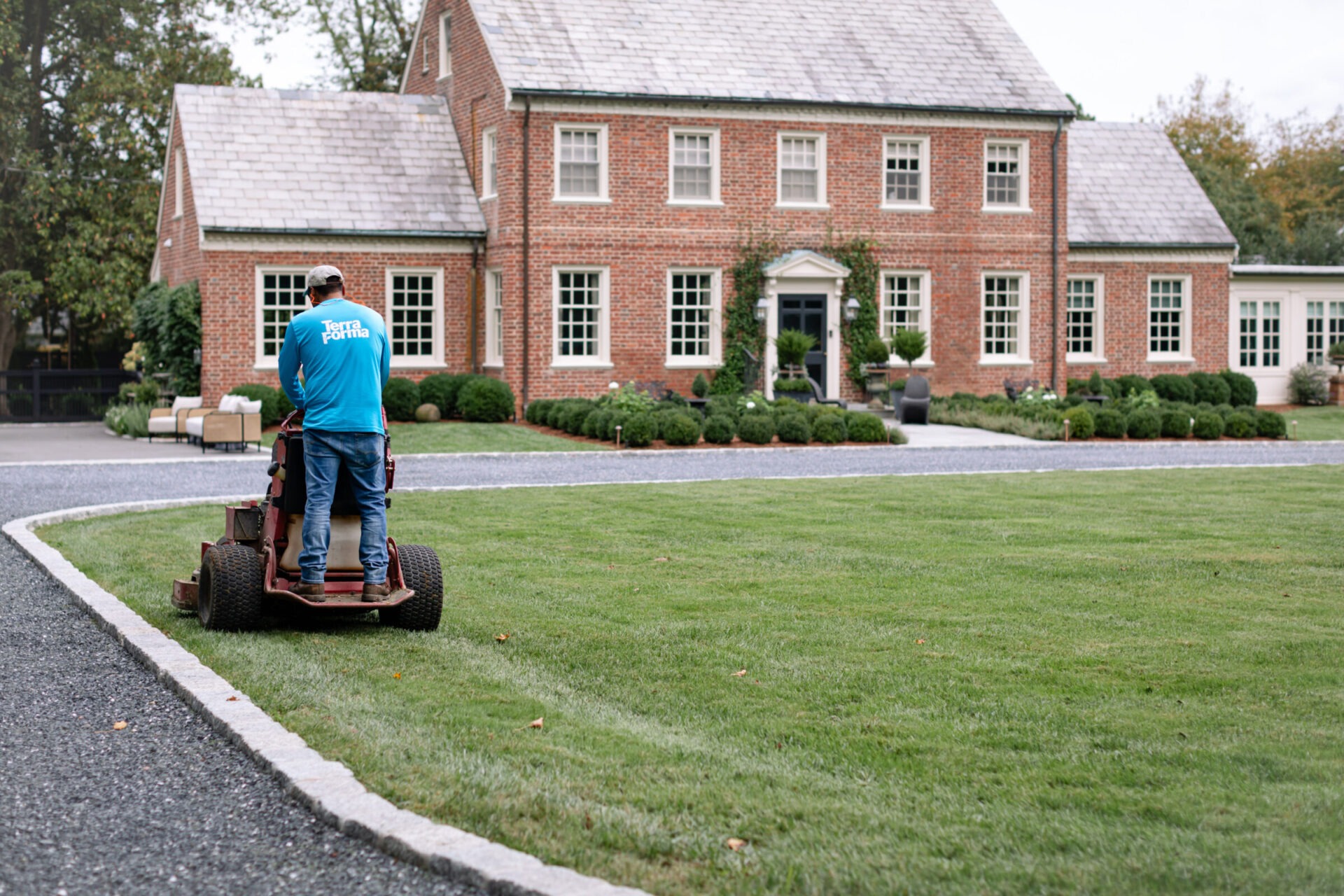
Mowing height affects root depth and drought tolerance. Most lawns stay healthier when cut higher rather than short. Taller grass shades soil, discourages weeds, and supports stronger roots. Avoid removing more than one-third of the blade in a single mow.
How Do I Properly Edge My Lawn And Garden Beds?
Defined edges create a clean, finished look. Use straight lines for formal spaces and gentle curves for natural designs. Regular edging prevents grass from invading beds and keeps mulch in place. Sharp tools produce cleaner results and reduce plant damage.
What Maintenance Tasks Should I Do Each Season In My Yard?
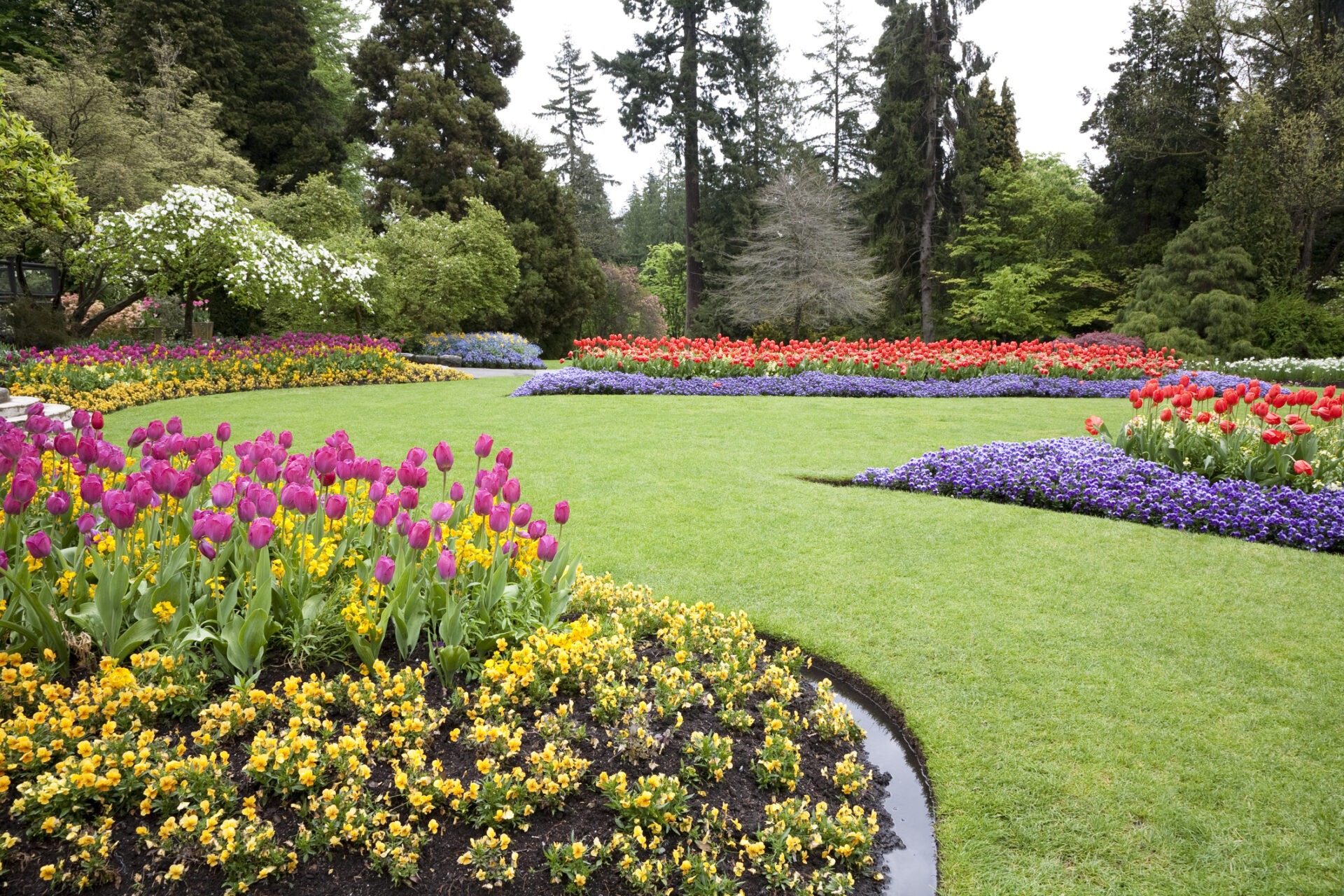
Seasonal care keeps your landscape balanced.
Spring: Clean beds, aerate lawns, refresh mulch
Summer: Monitor irrigation, mow correctly, manage weeds
Fall: Overseed, prune selectively, clear debris
Winter: Protect plants and plan future improvements
Staying ahead of seasonal tasks prevents larger issues later.
How Do I Deal With Pet Urine Spots That Kill My Grass?
Dog urine spots on lawn areas occur due to nitrogen concentration. Flush affected areas with water promptly. Reseed damaged patches and adjust watering routines. Training pets to use designated areas also limits recurring damage while protecting turf health.
When Is It Time To Replace Aging And Mature Plants And Trees?
Some plants outgrow their space or decline with age. Signs include thinning canopies, repeated disease, or structural weakness. Heavy planting may be needed to refresh beds while maintaining balance and scale. Replacements should suit long-term growth patterns to avoid repeated disruption.
Bringing It All Together
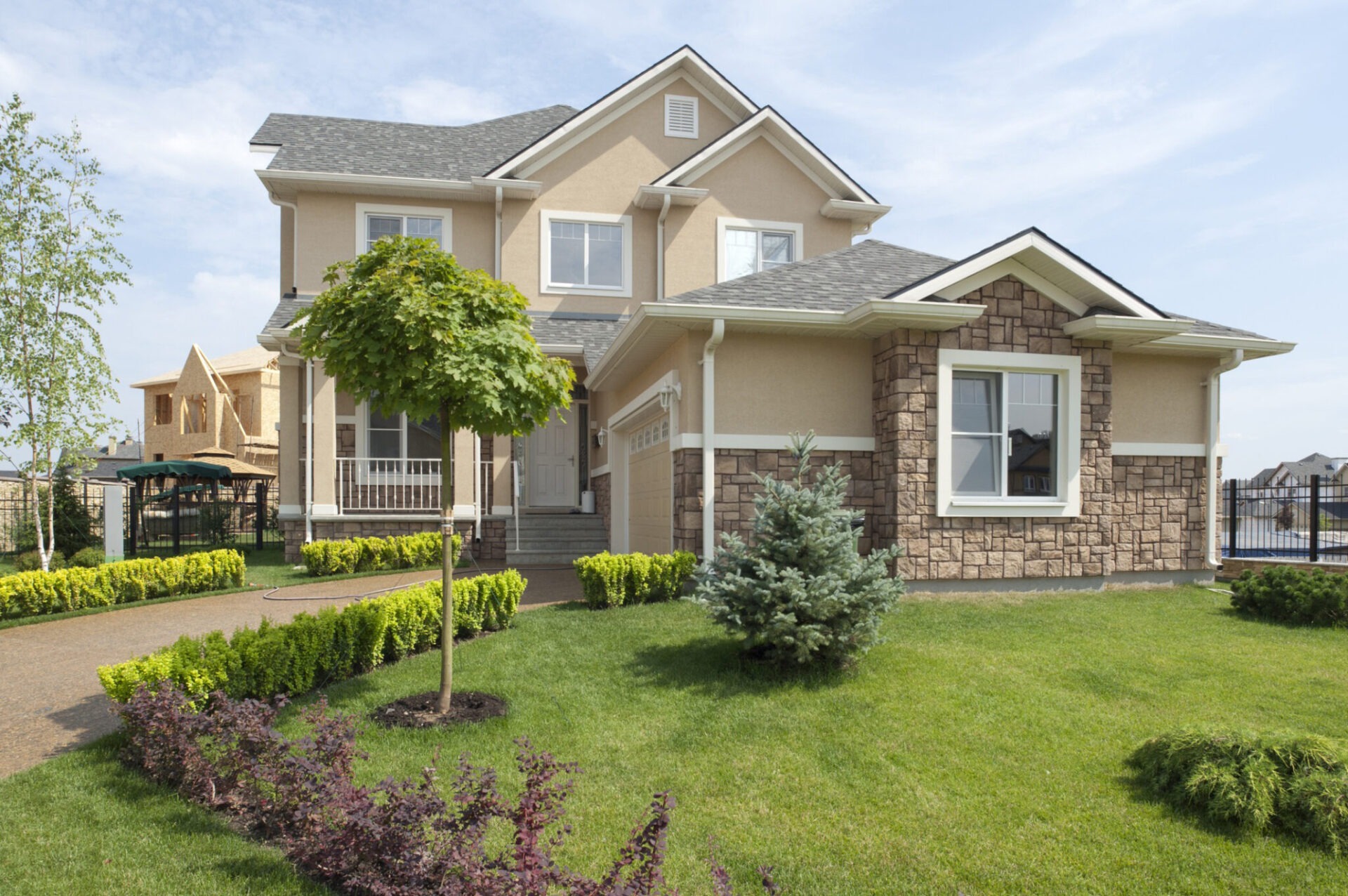
These landscaping questions come up because you care about your property and want it maintained with intention. Clear guidance helps you avoid guesswork and make choices that support lasting health and appearance. When your yard feels cared for, it becomes a place you enjoy rather than manage. If you want clarity tailored to your property, you can book a consultation.
Summary
This guide answered key landscaping questions that homeowners face when maintaining refined residential properties. From low maintenance landscaping choices, incorporating drought-tolerant plants, and selecting appropriate hardscaping materials to organic lawn care methods, effective yard drainage solutions, tackling overgrown yard cleanup, determining the best time to overseed lawn areas for maximum growth, and handling dog urine spots on lawn surfaces, you now have practical insight to guide smart, sustainable, and aesthetically pleasing decisions for your outdoor spaces.
Tags: